Tips for Treating and Preventing Acne in Adolescence
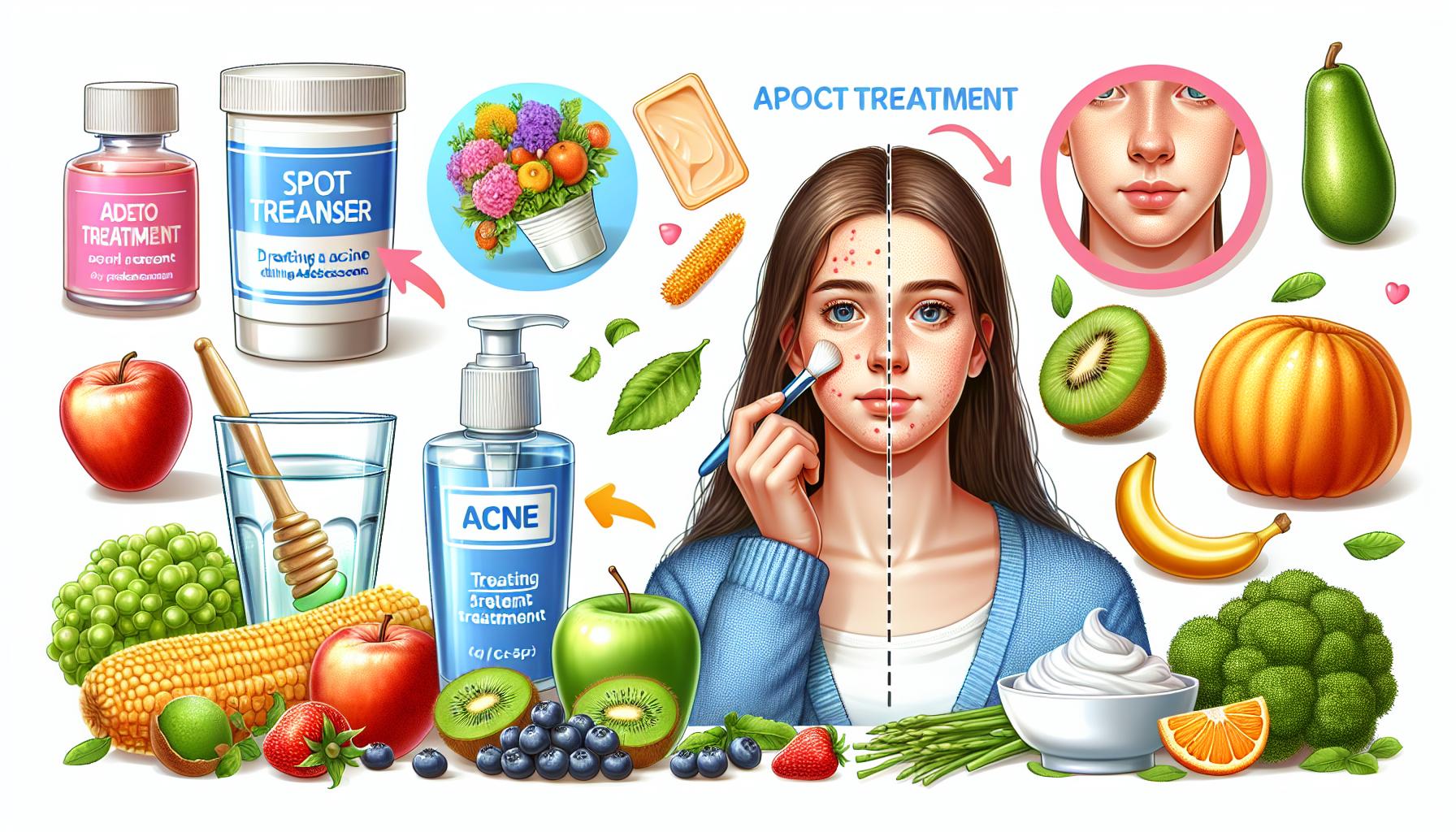
Understanding Acne in Adolescence
Adolescence is a transformative time, marked by significant physical, emotional, and social changes. However, this period often comes with its own set of unwanted challenges, one of the most common being acne. Acne is a prevalent skin condition that can affect individuals’ self-esteem and emotional well-being, making it imperative to understand its causes and solutions.
At the heart of acne development are hormonal changes. During puberty, the body experiences fluctuations in hormones such as testosterone. This can lead to increased oil production in the skin, resulting in clogged pores and the formation of acne. For instance, many teenagers notice that their acne flares up during periods of stress, during which their hormone levels may rise even more. Understanding this connection can help adolescents anticipate and manage breakouts effectively.
Genetic factors also play a crucial role in acne susceptibility. Adolescents with a family history of acne may find themselves more prone to developing the condition. It’s not uncommon for teenagers to seek advice from their parents about treatment options, only to discover that they faced similar skin challenges at that age. This shared experience can foster conversations about acceptable treatment options and the best ways to cope emotionally during this time.
Moreover, diet and lifestyle choices can significantly influence skin health. Recent studies suggest that diets rich in high-glycemic foods, such as sugary snacks and white bread, may worsen acne symptoms. For example, a teenager’s diet consisting largely of fast food and sugary sodas might correlate with their skin problems. Awareness of dietary impacts can motivate healthier eating habits, promoting not only clearer skin but overall well-being.
By understanding these aspects, adolescents and their families can take proactive steps to treat and prevent acne. The journey to clear skin involves not just topical solutions but also a comprehensive commitment to healthy habits—both dietary and lifestyle adjustments are crucial. So, what effective strategies can be employed to tackle acne and improve skin health?
Stay Tuned
In this article, we will delve into practical tips for managing acne, which include:
- Effective skincare routines that cleanse, treat, and moisturize the skin without causing irritation.
- Dietary recommendations that encourage a balanced intake of nutrients while eliminating foods known to trigger breakouts.
- When to seek professional help, understanding when over-the-counter products may not suffice and a dermatologist’s expertise is needed.
Join us as we uncover vital information that can help ensure a smoother skin journey during these formative years, equipping young individuals with the knowledge they need to maintain healthy skin while navigating the complexities of adolescence.
DISCOVER MORE: Click here to learn about how diet influences your skin
Effective Skincare Routines
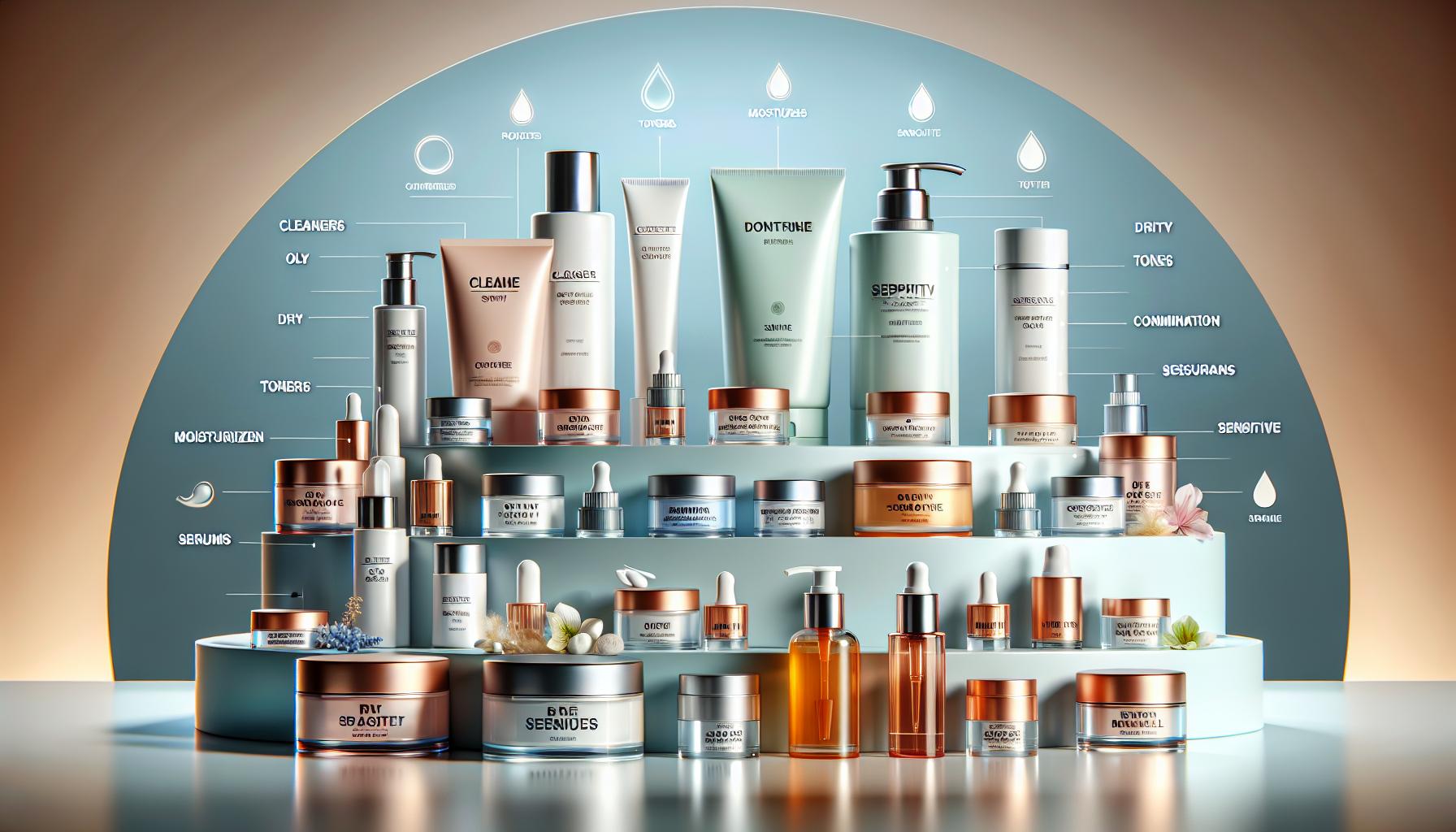
When it comes to managing acne during adolescence, establishing an effective skincare routine is paramount. A consistent routine not only helps to keep the skin clean but also reduces the likelihood of breakouts. The key is to use products specifically designed for acne-prone skin, ensuring they contain gentle ingredients that do not exacerbate the problem.
A typical skincare routine should include at least three essential steps: cleansing, treating, and moisturizing. First, it is crucial to choose a gentle cleanser that effectively removes excess oil, dirt, and impurities without stripping the skin of its natural moisture. Look for products that contain salicylic acid or benzoyl peroxide—two ingredients well-known for their ability to reduce acne. For instance, using a mild foaming cleanser twice a day can significantly improve skin clarity.
After cleansing, the next step involves incorporating a targeted treatment product. These treatments aim to address active breakouts and prevent new ones from forming. Over-the-counter options often contain ingredients like tea tree oil, which has natural antibacterial properties. Applying a spot treatment on emerging pimples can help to reduce their size and redness before they fully develop.
Finally, completing the routine with a non-comedogenic moisturizer is essential. Many teenagers mistakenly skip this step, fearing it will worsen their acne. However, keeping the skin hydrated is critical for its overall health and can help prevent the skin from overproducing oil. Opt for lightweight gel-based moisturizers that do not clog pores, ensuring the skin is balanced and nourished.
Dietary Recommendations for Clearer Skin
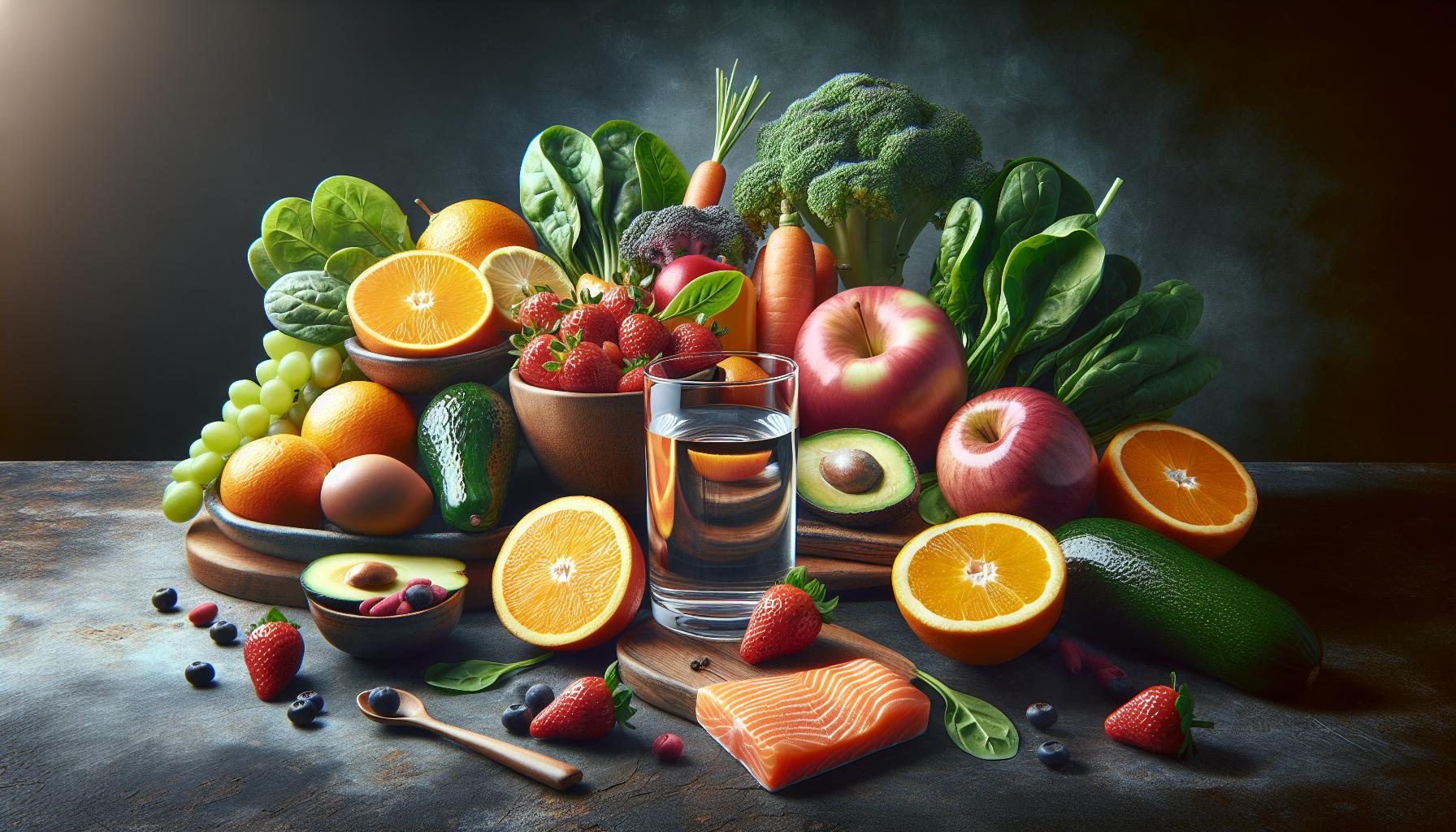
Beyond topical solutions, what we consume can significantly affect our skin health. Understanding the relationship between diet and acne can empower adolescents to make informed choices. Research has shown that diets high in processed foods, refined carbohydrates, and sugar can exacerbate acne symptoms. Therefore, integrating the following dietary recommendations may promote clearer skin:
- Incorporate whole foods: A diet rich in fruits, vegetables, whole grains, and lean proteins can provide essential nutrients that support skin health.
- Reduce sugar intake: Limiting sugary snacks and beverages can help minimize the risk of breakouts. Instead, opt for healthier alternatives like fruit or yogurt for a snack.
- Stay hydrated: Drinking plenty of water helps to flush out toxins and maintain skin hydration. Aim for at least eight glasses a day.
- Include healthy fats: Foods rich in omega-3 fatty acids, such as salmon, walnuts, and flaxseeds, can help reduce inflammation and improve skin conditions.
By adopting these simple dietary changes, adolescents can not only promote better skin but also foster a healthier lifestyle overall. Recognizing the impact of what goes into the body—alongside a thoughtful skincare routine—can set the foundation for lasting skin health as they grow into adulthood.
Effective Treatments and Prevention Strategies
When it comes to battling adolescence acne, understanding the variety of treatments available is key. It’s not just about choosing the right product, but also about maintaining a consistent skincare routine. Teenagers need to be educated on the importance of cleansing their skin regularly to remove excess oil, dirt, and bacteria. Using a gentle cleanser suited for acne-prone skin can significantly reduce breakouts.Over-the-counter treatments containing benzoyl peroxide or salicylic acid are often effective for mild to moderate acne. These ingredients work by reducing inflammation and preventing clogged pores. Additionally, incorporating topical retinoids can help speed up cell turnover, keeping the skin clear and fresh. For more persistent cases, consulting with a dermatologist is advisable. They may suggest prescription medications such as oral antibiotics or even isotretinoin in severe scenarios. Understanding the difference between these options and their suitability for individual skin types is crucial in the treatment path.Moreover, alongside these treatments, preventative measures cannot be overlooked. Educating adolescents on the impact of diet on skin health is particularly important. Avoiding excessive sugar and dairy has shown promising results for some individuals in minimizing acne flare-ups. Regular exercise is another key factor; it aids in regulating hormones and boosting self-esteem. Finally, the significance of avoiding picking or squeezing pimples cannot be emphasized enough. This habit often leads to scarring and prolonged healing time. With the right combination of treatment and prevention, adolescents can take significant steps toward achieving clearer skin, fostering not just their skincare, but also their confidence during these formative years.
| Category | Details |
|---|---|
| Cleansing Routine | Regular use of a gentle cleanser can control oil and prevent breakouts. |
| Topical Treatments | Benzoyl peroxide and salicylic acid are effective in reducing acne. |
| Dietary Considerations | Limiting sugar and dairy may help prevent acne breakouts. |
| Lifestyle Factors | Regular exercise boosts morale and stabilizes hormone levels. |
| Avoid Picking | Avoiding this habit can prevent scarring and promote healing. |
With these strategies in mind, adolescents can better navigate their skincare journey and achieve healthier skin with confidence.
DIVE DEEPER: Click here to discover essential tips for oily skin
Behavioral Changes and Lifestyle Adjustments
Managing acne isn’t solely reliant on skincare products; behavioral changes and lifestyle adjustments play a critical role. Recognizing and modifying certain habits can pave the way for healthier skin. From personal hygiene to stress management, every aspect of daily life can influence acne development and severity.
Hygiene Practices
A common misconception is that washing the face excessively will eliminate acne. In reality, over-washing can irritate the skin and exacerbate breakouts. Instead, a balanced approach is recommended. It’s essential to wash your face twice daily using a gentle cleanser and to remove makeup before bedtime. This prevents clogged pores and helps maintain skin integrity.
Moreover, maintaining clean bedding and pillowcases is often overlooked. Oils, sweat, and dirt accumulate on these surfaces, potentially transferring back to the skin and contributing to breakouts. Changing your pillowcase every few days can minimize this risk effectively. Similarly, routinely cleaning items that come into contact with the face, like smartphones and glasses, can help prevent bacteria buildup.
Stress Management Techniques
Evident in the daily lives of adolescents, stress can significantly impact skin health. When the body is under stress, it produces more oil and hormones that trigger acne flare-ups. Engaging in stress-relief techniques can help lower stress levels, thus supporting clearer skin. Exercises such as yoga, meditation, or even simple breathing exercises can reduce anxiety and improve overall well-being.
Additionally, participating in hobbies or activities can serve as healthy distractions and promote relaxation. Whether it’s painting, playing a sport, or hiking, finding an enjoyable outlet can positively affect mental health and skin condition.
The Role of Sunscreen
For acne-prone adolescents, using a broad-spectrum sunscreen with at least SPF 30 is vital for protecting the skin against UV rays. While some may be apprehensive about using sunscreen due to concerns of clogging pores, various non-comedogenic options are available. Regular sunscreen application helps to prevent skin damage and hyperpigmentation that can occur as a result of acne. Look for lightweight gel or spray formulas specifically labeled for acne-prone skin.
Consultation with Dermatologists
While over-the-counter products can be effective for mild cases of acne, adolescents experiencing moderate to severe acne should consider consulting with a dermatologist. Dermatologists can provide personalized treatment plans that may include prescription medications, topical treatments, or even more advanced therapies such as chemical peels or laser treatments. Understanding that professional guidance is available can alleviate frustration and enhance treatment success.
Overall, fostering a holistic approach to treating and preventing acne can be immensely beneficial. By combining effective skincare routines with behavioral changes, a healthy diet, and professional help if necessary, adolescents can navigate the challenges of acne while building self-esteem and confidence along the way. With patience and persistence, clearer skin is within reach.
DISCOVER MORE: Click here to learn about hydration’s role in skin health
Conclusion: Embracing a Comprehensive Approach
In conclusion, treating and preventing acne in adolescence is a multifaceted journey that requires a combination of effective strategies and a proactive mindset. As adolescents navigate the challenges of developing skin, understanding the importance of proper hygiene practices, stress management, and consistent use of sunscreen can significantly impact their experience with acne. Moreover, recognizing that professional consultation with a dermatologist can provide tailored solutions is crucial for those facing more severe cases.
It’s important to note that each individual’s skin is unique, and what works for one person may not work for another. Therefore, adopting a personalized approach that includes monitoring lifestyle choices—such as diet, hydration, and sleep—can enhance overall skin health. Encouraging a healthy relationship with one’s skin, understanding that imperfections are a natural part of adolescence, and practicing self-acceptance can foster greater self-esteem during these formative years.
For parents and caregivers, being supportive and informed is key. Engaging in open discussions about skincare and mental well-being can empower adolescents to take charge of their skin health. By equipping young people with knowledge and the right tools, they can develop resilience against the pressures of appearance standards.
Ultimately, with a little patience, persistence, and a holistic perspective, clearer skin is achievable. Encouraging ongoing exploration of different approaches allows for continuous learning and adaptation throughout the journey of adolescence, ensuring that self-care remains a priority in the face of any challenge.