The Impact of Colors in Makeup: How to Choose Shades that Complement Your Skin Tone
Understanding Skin Undertones
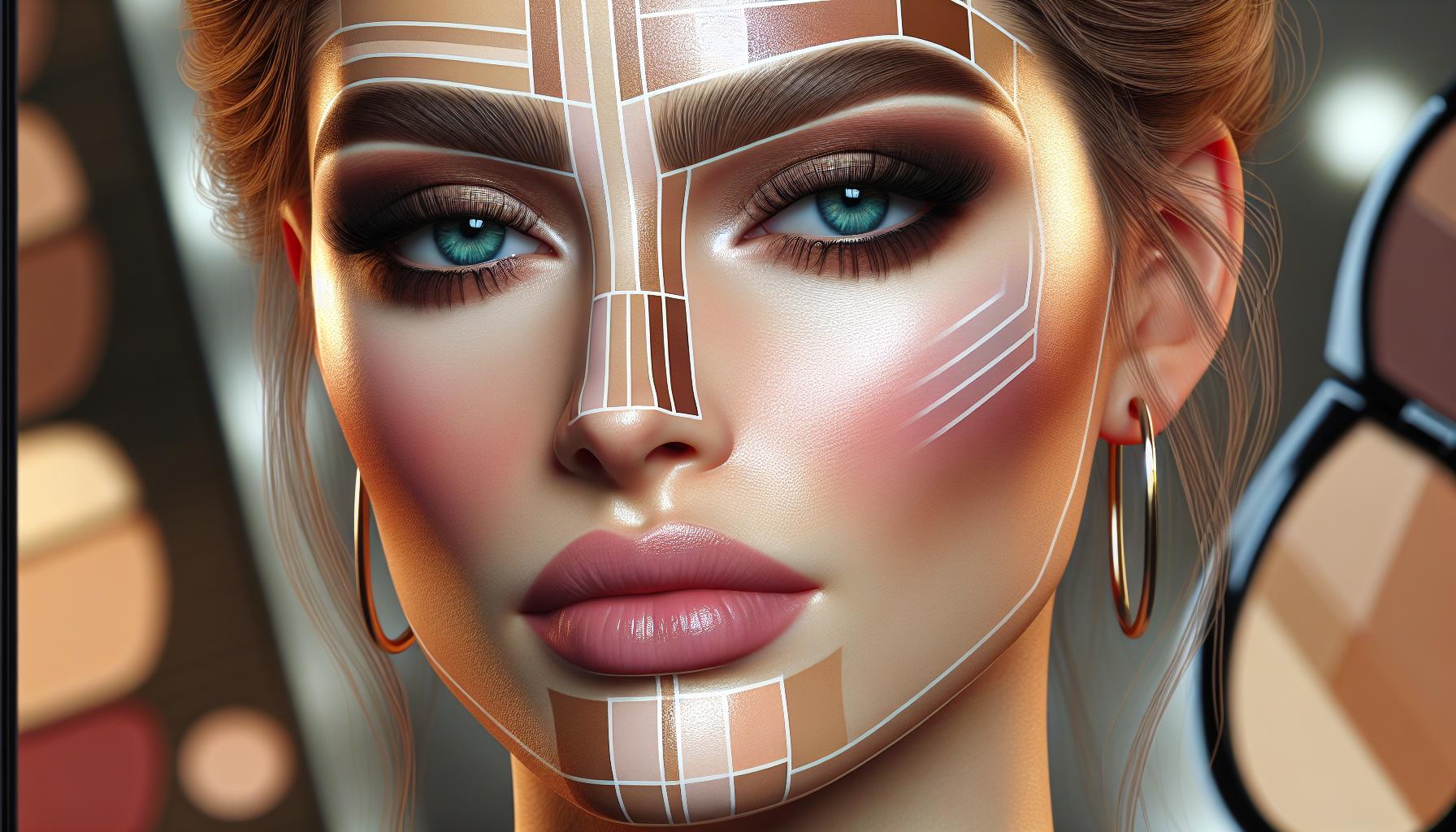
When it comes to selecting makeup shades, one of the most critical steps is identifying your skin undertone. Skin undertones are the subtle hues beneath the skin’s surface and can be broadly classified into three categories: warm, cool, and neutral. Understanding your undertone can significantly refine your color palette choices.
Individuals with warm undertones typically exhibit yellow, golden, or peachy hues. A helpful way to determine if you’re warm is to observe the veins on your wrist; if they appear greenish, you likely have warm undertones. Complementary colors for this skin type include rich tones like warm reds, oranges, and earthy shades like browns and golds.
On the other hand, those with cool undertones will find blue, pink, or purple tones running through their skin. If the veins look blue or purple, you probably fall into the cool category. Cool undertones shine best in jewel tones such as emeralds, purples, and rosy pinks. Neutral undertones, which are often a blend of both, can often wear shades from both ends of the spectrum, allowing for versatility in makeup choices.
Exploring Seasonal Color Palettes
Another fascinating way to choose colors is through seasonal palettes. This concept, derived from the color analysis theory, categorizes individuals into four seasons: Winter, Spring, Summer, and Autumn. Each season encapsulates specific color characteristics that can enhance your natural beauty.
For instance, a Winter palette is marked by bright, bold colors—think cool blues and icy pinks—ideal for those with cool undertones. In contrast, a Spring palette features warm, vibrant hues with a lighter tint, perfect for those with warm undertones who want to capture an effortless glow. Similarly, Summers are characterized by soft, muted colors, while Autumns shine best in rich, warm shades.

Recognizing the Right Makeup Types
Each type of makeup requires attention to color compatibility, which is critical in achieving a cohesive look. For instance, foundation should seamlessly blend into your complexion, with the right mix of undertones for a natural finish. A well-matched foundation can work wonders in providing a flawless base.
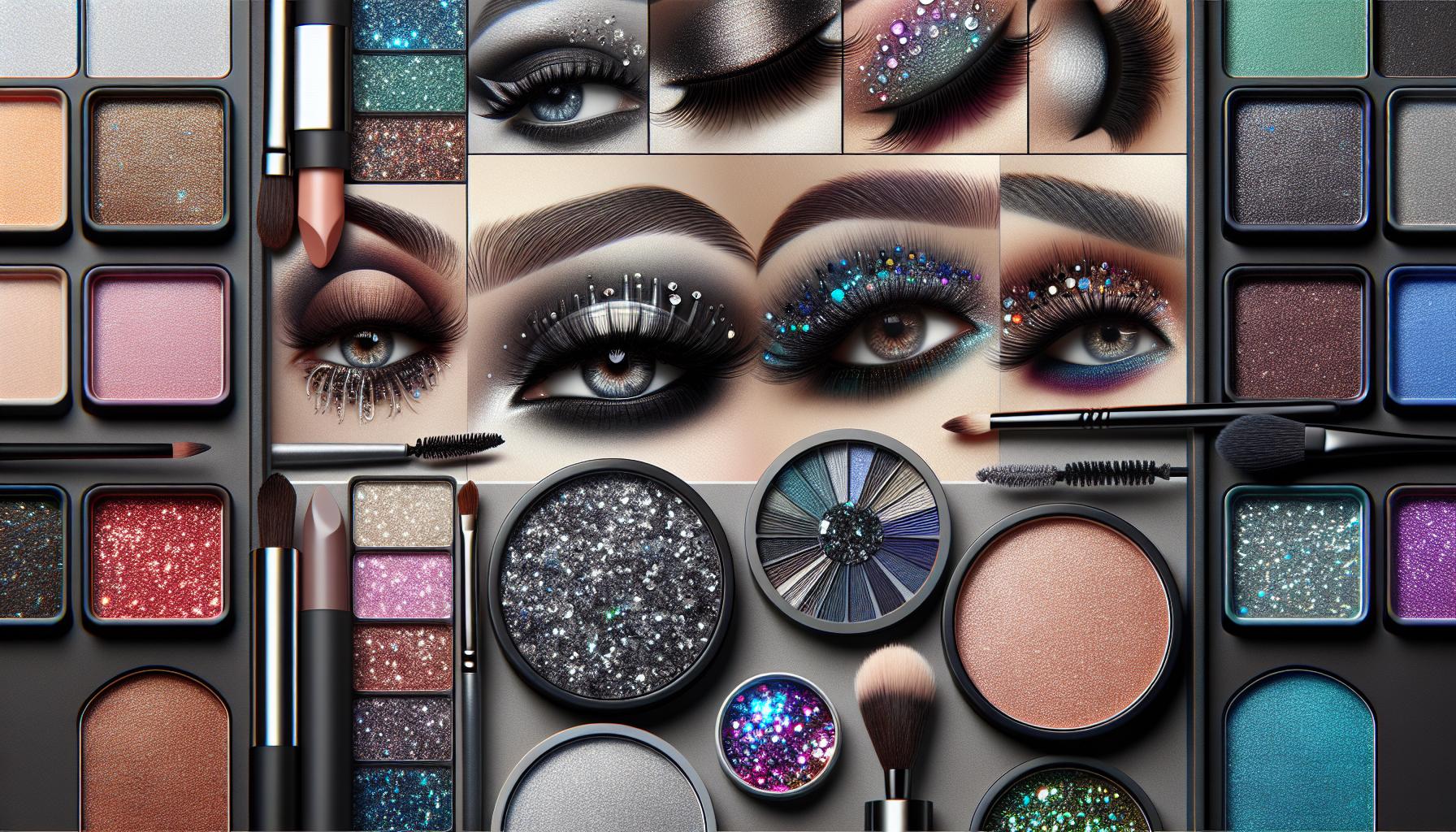
When choosing lipstick, consider your skin undertone as well; warm tones pair beautifully with coral or peach shades, while cool undertones can rock berry or plum lipsticks. Eyeshadow options also vary: warm undertones will find that earth tones and golden shimmers make their eyes pop, while cool undertones might prefer cooler shades like silvery grays and icy blues.
Personal Expression Through Colors
The art of selecting the right shades is not merely a technical endeavor; it is a personal journey that allows for self-expression. Understanding the impact of colors in makeup can empower you, enabling you to celebrate your individuality. Each choice of color can reflect your mood, personality, and style, making makeup a powerful tool to enhance not only your external appearance but also your internal confidence.
As you embark on this colorful adventure, remember that your options are plentiful. Experimenting with different shades and combinations can lead to discovering unique looks that resonate with your personal style. So, grab your favorite products and start playing with colors—who knows, you might just stumble upon the perfect shade that accentuates your beauty and makes a resounding statement!
DISCOVER MORE: Click here to learn about the best anti-aging ingredients
Unlocking the Power of Color Theory in Makeup
Understanding color theory is essential when it comes to makeup, as it serves as the foundation for choosing shades that enhance your natural beauty. When selecting makeup, it is vital to grasp how colors work together and how they influence your overall appearance. By aligning your choice of colors with your skin tone and undertone, you can create a harmonious look that attracts attention for all the right reasons.
The interplay between various shades can have a profound impact on how our skin appears. Some colors may illuminate your complexion, while others can wash you out. For example, a cool-toned individual might find that warm, yellow-toned foundations make their skin look fatigued and dull, while cool beige or pink shades create a vibrant, healthy glow. Paying attention to these nuances is what makes color selection such an art form.
One of the most effective methods to evaluate how different shades interact with your skin is to consider the three major color elements: hue, saturation, and value.
- Hue: This refers to the basic color itself—red, blue, green, etc. Understanding which hues align with your skin tone helps in building an effective makeup palette.
- Saturation: Saturation deals with the intensity of the color. High saturation levels create vivid, bold looks, while lower saturation results in softer, muted colors. Finding the right saturation can bring your features to life.
- Value: Value describes the lightness or darkness of a color. Selecting shades with the right value ensures that your makeup complements your skin tone rather than overpowering it.
Additionally, each of these elements can be influenced by lighting conditions, which is crucial when testing makeup in stores or your home. Natural light often reveals the true tones of a product better than artificial lighting, so always test colors in daylight if possible.
As you explore color theory in makeup, consider your essential makeup items. Start by focusing on the following:
- Foundation: Your foundation should blend seamlessly with your skin, highlighting your best features without creating a stark contrast.
- Blush: Choose shades that mimic the natural flush of your cheeks. Peach tones often enhance warmth, while pinks can brighten cooler hues.
- Eyeshadow: The right eyeshadow can accentuate your eye color and shape. Experiment with various hues that harmonize with your skin’s undertones for striking results.
By incorporating color theory into your makeup routine, you not only enhance your appearance but also build confidence. Remember, the journey to mastering your makeup shades is about experimentation and self-discovery. Embrace the colors that resonate with your unique palette, and watch as they transform your look and elevate your spirit.
| Advantage | Description |
|---|---|
| Skin Tone Matching | Understanding your skin’s undertone helps in selecting shades that enhance your natural beauty. |
| Color Psychology | Different colors evoke distinct emotions, allowing makeup to influence social interactions. |
| Versatile Looks | Choosing complementary shades enables you to create a variety of looks for different occasions. |
| Increased Confidence | The right colors can boost your confidence and make you feel more polished. |
When selecting makeup shades, it’s crucial to recognize the influence of skin tones and undertones. The concept of *skin tone matching* is fundamental; knowing whether you possess warm, cool, or neutral undertones can profoundly affect your choices. For instance, warm tones typically pair well with earthy shades, while cool undertones shine with jewel tones.Moreover, *color psychology* plays a significant role in our daily interactions. By strategically using colors, you can convey feelings such as confidence, warmth, or tranquility. For example, bold reds may symbolically express passion and energy, enhancing your allure in social settings.Furthermore, mastering your color palette allows for *versatile looks*—from a subtle day look to an extravagant evening style—without constantly purchasing new products. Each shade can be mixed, matched, or layered to create effects suited to your preferences.Lastly, choosing the right colors can lead to enhanced self-esteem. When you feel attractive in your makeup choices, it transcends into increased confidence that permeates other areas of life, be it at work or social gatherings. Thus, the impact of colors in your makeup choices extends beyond aesthetics; it cultivates a sense of empowerment.
DIVE DEEPER: Click here to learn more
Understanding Your Skin Undertones
While knowing your skin tone is crucial, the subtler aspect of skin undertones is equally significant in determining which makeup colors will truly enhance your features. Undertones fall into three main categories: cool, warm, and neutral. Each category frames a palette of colors that will emerge as your best allies in both foundation and cosmetic choices.
Identifying Your Undertone
To effectively identify your undertone, consider a few simple tests. The vein test can be particularly helpful. Look at the veins on the inner side of your wrist. If they appear blue, you likely have a cool undertone; greenish veins suggest a warm undertone, while a mix points towards a neutral undertone. Additionally, the white paper test can be used: hold a piece of white paper next to your face. If your skin appears rosy or pink, you are probably cool-toned; if it looks golden or yellow, you are warm-toned. Those who see both shades may fit into the neutral category.
Choosing the Right Foundation
When it comes to foundation, selecting a shade that resonates with your undertone transforms your overall look, providing a natural glow rather than an artificial layer. Cool-toned individuals should seek foundations that contain pink or blue undertones, while those with warm undertones will thrive with shades that carry golden or yellow properties. For neutral undertones, foundations blending both colorways can yield harmonious results.
Shade Selection for Eyeliners and Lipsticks
Beyond foundation, the choices you make for eyeliners and lipsticks also fall under the influence of undertones. Cool-toned individuals will shine in shades of plum, cherry, or blue-based reds, which contrast beautifully against their complexion. Conversely, warm undertones can look stunning in coral, peach, or brick red hues, which correlate with their natural warmth. Those blessed with neutral undertones can often explore a wider range, venturing into cool and warm shades alike, giving them the flexibility to mix and match with ease.
Eyeshadow Color Choices
The choice of eyeshadow can equally accentuate or detract from your natural beauty. For cool-toned complexions, earthy tones like taupe, lilacs, and cooler grays, alongside jewel-toned colors such as emerald or sapphire, provide a striking backdrop. In contrast, warm-toned individuals may gravitate towards bronze, amber, and warm neutrals that enhance their overall warmth while maintaining a vibrant feel. Conversely, neutral undertones can experiment with both palettes, drawing from either side to curate a uniquely personalized collection of shades.
Consulting Color Swatches
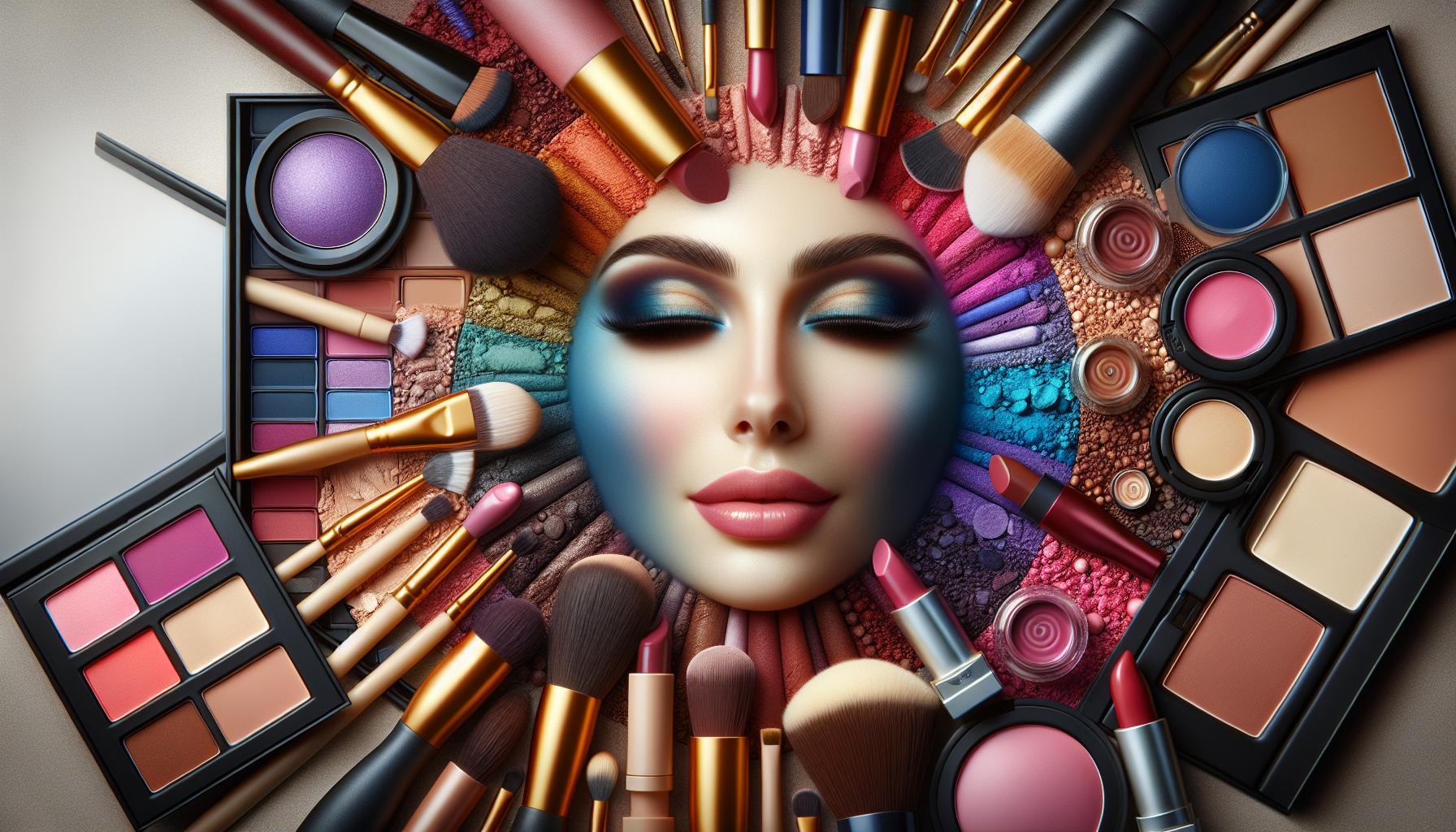
When exploring the rich world of makeup, consider consulting color swatches. Many beauty brands offer an array of testers to help you find that perfect match. Always apply the shades directly to your face, ideally along your jawline or cheek, and evaluate them under natural light to determine which blends most seamlessly with your skin tone. Don’t hesitate to consult beauty advisors; their expert opinions can illuminate the choices that would work best for you!
By delving into undertones and mastering choice foundations, lipsticks, eyeliners, and eyeshadow colors, you’ll be well on your way to unlocking a makeup palette that truly complements your skin tone, paving the way for polished and perfected looks.
DISCOVER MORE: Click here for the latest anti-aging innovations
Conclusion
In the ever-evolving world of beauty, the significance of color in makeup cannot be overstated. Understanding your skin tone and undertones is a pivotal step toward achieving a flawless makeup look that not only enhances your natural beauty but also aligns with your personal style. Whether you identify as having warm, cool, or neutral undertones, recognizing the hues that complement your complexion can elevate your makeup game from ordinary to extraordinary.
By mastering the art of choosing foundation, lip colors, eyeliners, and eyeshadows tailored to your specific undertone, you empower yourself to make informed beauty choices that reflect your unique identity. As you explore various shades, don’t hesitate to experiment, since the beauty industry is rich with variety and innovation. Consulting color swatches and professionals can further guide you on this transformative journey.
Ultimately, the impact of colors extends beyond aesthetics; it influences confidence, self-expression, and personal connection to beauty. Embrace the spectrum of colors in makeup as not just tools for enhancement, but as a celebration of individuality and creativity. So, take the plunge, explore, and redefine your makeup wardrobe by selecting shades that harmonize beautifully with your skin tone, allowing your true self to shine through in every brushstroke.