The Importance of Hydration in Preventing Skin Aging

Unlocking the Secret to Youthful Skin
Every day, your skin faces environmental stressors that can accelerate the aging process. While factors like pollution and sun exposure often get the spotlight, one crucial component plays a key role in maintaining youthful skin: water. Hydration is often overlooked in skincare routines, yet it may be the simplest way to combat signs of aging. Surprisingly, many individuals underestimate the profound impact proper hydration has on both the appearance and health of their skin.
Why Hydration Matters
Staying hydrated offers a myriad of benefits for your skin, such as:
- Enhanced Elasticity: Proper hydration helps maintain skin elasticity, reducing the appearance of wrinkles. When skin cells are well-hydrated, they can expand and contract more easily, promoting a supple, youthful look.
- Increased Radiance: Well-hydrated skin appears fuller and more radiant, defying dullness. This luminosity comes from fresh, healthy cells and a more balanced complexion, which can drastically improve how others perceive your age.
- Better Repair: Adequate water intake aids in skin cell turnover, helping to repair damage. Without proper hydration, skin may struggle to renew itself efficiently, leading to a buildup of dead skin cells that can exacerbate the appearance of fine lines and uneven texture.
In America, many adults are unaware of how dehydration can affect their skin health. Reports indicate that up to 75% of Americans may be chronically dehydrated, missing out on the significant benefits of adequate fluid intake. This lack of hydration can manifest in various ways, including dryness, irritation, and a sallow appearance. Notably, the effects are not just skin-deep; chronic dehydration can contribute to more serious health issues such as urinary tract infections, kidney stones, and even compromised cognitive function.
It’s time to recognize hydration as an essential pillar in skincare routines, alongside products and treatments. Drinking enough water, which is generally recommended as approximately 8-10 cups a day, can significantly enhance skin health. However, hydration can also be supplemented with hydrating products such as serums, creams, and face mists that contain ingredients like hyaluronic acid and glycerin, which attract moisture to the skin.
Ready to Learn More?
Understanding the link between hydration and skin aging opens a new world of skincare possibilities. By exploring this further, you’ll uncover how drinking water and using hydrating products can contribute to a healthier, younger-looking complexion. Consider consulting with a dermatologist who can guide you on personalized hydration strategies tailored to your skin type and lifestyle. Incorporating hydration into your daily routine does not have to be daunting; even small, consistent changes can yield impressive results over time. The quest for youthful skin may very well begin with just a simple glass of water.

DISCOVER MORE: Click here to enhance your beauty techniques
The Connection Between Hydration and Skin Aging
When it comes to maintaining youthful skin, hydration is your strongest ally. Water is essential for countless bodily functions, and its significance becomes even more evident when discussing skin health. As we age, our skin naturally loses moisture, which can lead to various visible signs of aging, such as wrinkles, fine lines, and a lackluster complexion. Understanding this connection is vital in adopting effective skincare practices.
In many cases, age-related skin changes are often exacerbated by poor hydration. As skin becomes drier, it can also become rougher and more prone to damage—factors that not only age the skin prematurely but also diminish its overall health. Here are several critical ways that hydration directly influences the aging process:
- Reduces Fine Lines and Wrinkles: When your skin is hydrated, it is plumper, which means that fine lines and wrinkles appear less visible. The moisture content acts like a natural filler, making your skin look softer and smoother.
- Promotes Circulation: Hydration fuels the body’s circulation, allowing essential nutrients and oxygen to reach your skin cells more effectively. Improved circulation nourishes skin, enabling it to repair and regenerate, which is especially important as we age.
- Protects Against Environmental Stressors: Hydrated skin maintains a strong barrier function that helps protect against external aggressors such as pollution and UV rays. This protective layer prevents skin damage and reduces the risk of premature aging associated with these stressors.
- Aids in Cell Turnover: Adequate hydration supports the cycling of skin cells, encouraging the shedding of dead skin and the emergence of new, healthier cells. This process leads to greater radiance and vitality, essential for a youthful appearance.
Despite the compelling evidence that underscores the role of hydration, surveys reveal a concerning trend: many Americans do not consume enough water to meet optimal health standards. According to the National Institutes of Health, as much as 43% of adults drink less than the recommended amount of fluids each day. This lack of hydration can significantly hinder skin health, setting the stage for accelerated aging and a variety of skin issues.
Incorporating hydration into your lifestyle doesn’t have to be a challenge. Aim to keep a water bottle nearby, set reminders to drink throughout the day, and diversify your fluids with herbal teas and hydrating fruits like watermelon and cucumbers. Additionally, complementing your fluid intake with hydrating skincare products can further amplify your efforts. Look for ingredients known for their moisture-retaining properties, such as hyaluronic acid and glycerin, which will not only quench your skin’s thirst but also lock in vital moisture.
As we delve deeper into the intricacies of how hydration affects skin aging, it becomes apparent that simple adjustments in our daily routines can yield significant long-term benefits. Stay tuned as we explore more on how hydration can revolutionize your skincare approach, ultimately leading to a more youthful and vibrant complexion.
The Role of Hydration in Maintaining Skin Elasticity
Proper hydration is vital for maintaining skin elasticity, which decreases significantly as we age. As we lose moisture, our skin becomes more prone to wrinkles and sagging. Research indicates that individuals who consume adequate amounts of water experienced a marked decrease in the visibility of fine lines compared to those who were dehydrated. By keeping our skin cells filled with moisture, we also support collagen and elastin production, essential proteins that keep skin firm and youthful.
Impact of Dehydration on Skin Health
When our bodies are dehydrated, the first visible signs often appear on the skin. Dehydration can lead to a dull complexion, increased roughness, and the prevalence of dark circles under the eyes. The skin’s ability to recover from sun damage also diminishes when hydration levels are low, making it crucial to drink sufficient water daily to combat these effects. Studies show that drinking at least eight glasses of water can help improve overall skin appearance and vitality.
Hydration and the Skin Barrier Function
The skin barrier is essential for protecting our bodies from environmental aggressors and preventing moisture loss. Proper hydration bolsters this barrier, ensuring that skin remains resilient and less susceptible to irritants. Countering the signs of aging requires not only hydration from within but also topical applications of moisturizers that contain humectants. These ingredients attract water to the skin and help maintain hydration levels.
Hydration Sources: Beyond Water
While drinking water is fundamental, hydration can also come from food. Foods high in water content, such as cucumbers, watermelon, and oranges, can significantly contribute to daily hydration needs. Incorporating these hydrating foods can enhance skin health. Additionally, beverages like herbal tea can offer hydration without the downsides of caffeine or sugar, making them an excellent choice for skin-conscious individuals.
| Hydration Method | Benefits |
|---|---|
| Drinking Water | Keeps skin hydrated and improves elasticity. |
| Hydrating Foods | Provides essential vitamins and minerals while boosting hydration. |
Understanding the significance of hydration in skin health can empower individuals to make informed choices that promote a youthful appearance and combat signs of aging effectively.
LEARN MORE: Click here to discover the impact of stress on your skin
Strategies for Enhancing Hydration and Skin Health
Beyond the fundamental understanding of how hydration plays a pivotal role in combating skin aging, implementing effective strategies is crucial for reaping maximum benefits. The question remains: how can individuals enhance their hydration levels effectively? Addressing this inquiry requires a multi-faceted approach that encompasses both internal and external practices.
Firstly, drinking sufficient water is paramount. According to the Institute of Medicine, the average adult male should aim for about 3.7 liters (or approximately 125 ounces) per day, while the average adult female should target around 2.7 liters (about 91 ounces). However, this includes all fluids consumed, not just plain water. Consider adding flavoring to your water with slices of lemon, lime, or berries, making hydration more appealing and enjoyable, thus encouraging a higher intake.
Incorporating Hydrating Foods
A complementary strategy to drinking water is incorporating hydrating foods into your diet. Many fruits and vegetables possess high water content and provide added vitamins and minerals beneficial for skin health. For instance:
- Watermelon: Composed of over 90% water, this refreshing fruit is an excellent summertime treat that aids hydration.
- Cucumbers: With their crisp texture and 96% water content, cucumbers are perfect in salads or as snacks.
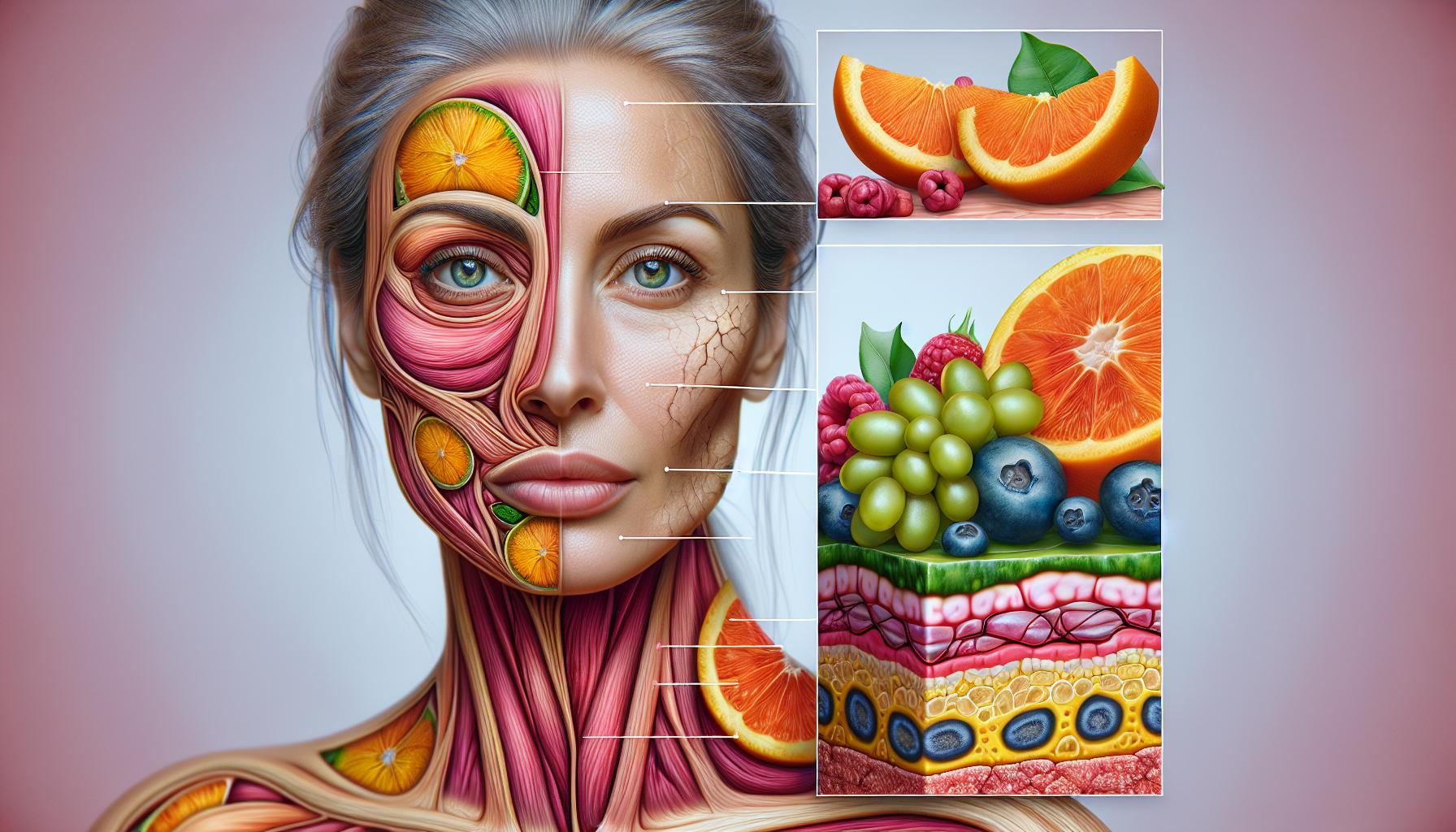
- Oranges and Strawberries: Both fruits not only enhance hydration but also offer vitamin C, essential for collagen synthesis, promoting elasticity in aging skin.
Prioritizing a balanced diet rich in hydrating foods can significantly contribute to skin hydration levels and subsequently improve overall skin appearance.
The Role of Skincare Products
While drinking water and eating hydrating foods are fundamental, topical skincare products also play an essential role in maintaining moisture. Applying moisturizers that contain ingredients such as hyaluronic acid, which can hold up to 1,000 times its weight in water, not only hydrates the skin but also helps to lock in moisture. Additionally, products with ceramides can restore the skin barrier, preventing moisture loss. It’s important to apply such products on damp skin to maximize absorption and effectiveness.
Furthermore, consider adding an occlusive agent, like petrolatum or shea butter, to your nightly routine. These agents create a barrier that keeps moisture locked in overnight, providing a rich source of hydration while you sleep. This dual approach—internal hydration through fluid intake and external nourishment via moisturizing products—creates a healthy synergy that promotes skin vitality.
Hydration and Lifestyle Choices
Another factor to consider is lifestyle habits that can impact skin hydration. Regular physical activity not only maintains overall health but also enhances circulation, consequently promoting better nutrient delivery to the skin. However, with an increase in physical activity comes a higher risk of fluid loss through sweat. Therefore, it is crucial to hydrate adequately before, during, and after exercise.
Additionally, environmental factors, such as climate and seasonal changes, can significantly affect the skin’s hydration levels. During colder months, indoor heating can deplete moisture from the air and subsequently from the skin, emphasizing the need for intensified hydration efforts. Utilizing humidifiers in dry climates or heated spaces can make a considerable difference in maintaining skin hydration levels.
By embracing these strategies, individuals can empower themselves to combat skin aging effectively. With a comprehensive approach to hydration, you can pave the way to a healthier, more youthful complexion that stands the test of time.
LEARN MORE: Click here for essential acne management tips
Conclusion
In summary, the significance of hydration in preventing skin aging cannot be overstated. As we’ve explored, adequate hydration is integral not only for maintaining the skin’s elasticity and youthfulness but also for enhancing its overall health. By ensuring that you are consuming sufficient water and incorporating hydrating foods into your daily diet, you can support your skin’s natural glow while fighting the signs of aging.
Additionally, the inclusion of effective skincare products with hydrating ingredients such as hyaluronic acid and ceramides can further bolster your skin’s moisture levels. When combined with mindful lifestyle choices—like regular exercise and adapting to environmental factors—you create a holistic approach to maintaining optimal skin hydration. This comprehensive strategy not only promotes a more youthful complexion but also assists in fortifying the skin’s natural barriers against damaging elements.
As you digest this information, consider reassessing your own hydration habits. Integrating these strategies can lead to remarkable improvements in your skin’s appearance and health. Ultimately, embracing the importance of hydration is a proactive step toward not just preventing skin aging but nurturing your body in its entirety. By fostering these habits, you can help ensure your skin remains vibrant and resilient, providing a healthy canvas for years to come.