Color Theory in Makeup: Techniques for Choosing the Perfect Shades for Your Skin Tone
Unlocking the Secrets of Color Theory in Makeup
Are you struggling to find the right shades for your makeup? Understanding color theory can significantly elevate your makeup game. This guide not only unveils essential techniques but also equips you with the knowledge to choose the perfect colors for your skin tone.
Color theory is the science of how colors interact and influence each other. It encompasses a variety of aspects, including color harmony, the emotional effects of colors, and their perceptual qualities. In the realm of makeup, using color theory strategically can help you achieve a balanced and aesthetically pleasing look. Below are some key components to consider as you navigate the colorful world of makeup:
- Undertones: Identifying whether you have warm, cool, or neutral undertones is a critical first step. Warm undertones typically have hints of yellow, peach, or golden hues, favoring products with similar warm shades. In contrast, cool undertones have pink, red, or bluish shades, allowing for better compatibility with cool colors like lavender and pink. Identifying your undertone can transform your makeup selection process.
- Color Wheel: This simple yet powerful tool can be a game-changer. The color wheel helps in understanding the concept of complementary colors—those that are opposite each other on the wheel—such as coral and teal. Using complementary colors can create a striking contrast, whereas analogous colors—adjacent on the wheel—can provide a more cohesive and subtle look, great for day-to-night transitions.
- Seasonal Palette: Determining if you resonate with a spring, summer, autumn, or winter palette can serve as a roadmap for your color choices. Spring types often look best in fresh and bright colors, while autumn types might shine with earthy, warm tones. For summer, soft pastels and muted colors work wonders, while winter types can pull off rich jewel tones and crisp contrasts.
Using the appropriate shades not only complements your features but also enhances your natural beauty, making your skin appear radiant and fresh. For example, a warm-toned individual may radiate with golden bronzers, peachy blushes, and warm browns, creating a sun-kissed glow. Conversely, cool-toned skin often benefits from rosy hues, subtle pinks, and shimmering silvers, which can add dimension and highlight the skin’s natural luster.
In this article, we will delve deep into color theory in makeup, providing actionable insights and tips that can help you uncover more about your unique skin tone. From practical application during your normal makeup routine to exploring popular products that align with color theory principles, you will soon be equipped to express your creativity like never before. Prepare to embark on a colorful journey of self-discovery and artistic expression!
DISCOVER MORE: Click here to learn how to choose beauty products
Exploring Undertones: The Foundation of Color Selection
Understanding your skin’s undertones is the cornerstone of mastering color theory in makeup. As mentioned earlier, categorizing yourself into one of three categories—warm, cool, or neutral—will significantly streamline your makeup shopping experience. But how do you accurately determine your undertone? A simple test involves analyzing the veins on your wrist. If your veins appear greenish, you likely have warm undertones; blue or purple veins suggest cool undertones; while a mix of both signals a neutral undertone. This knowledge lays the groundwork for choosing shades that harmonize beautifully with your natural complexion.
Another effective way to assess your undertone is by experimenting with different color swatches up against your skin. Try on various shades of clothing in gold and silver to see which one enhances your complexion more. If gold brings out a warm glow while silver washes you out, it solidifies your warm undertone. On the other hand, if silver brightens your look and gold appears dull, you’re leaning towards cool undertones. Neutral undertones typically find balance in both shades.
The Color Wheel: A Tool for Makeup Mastery
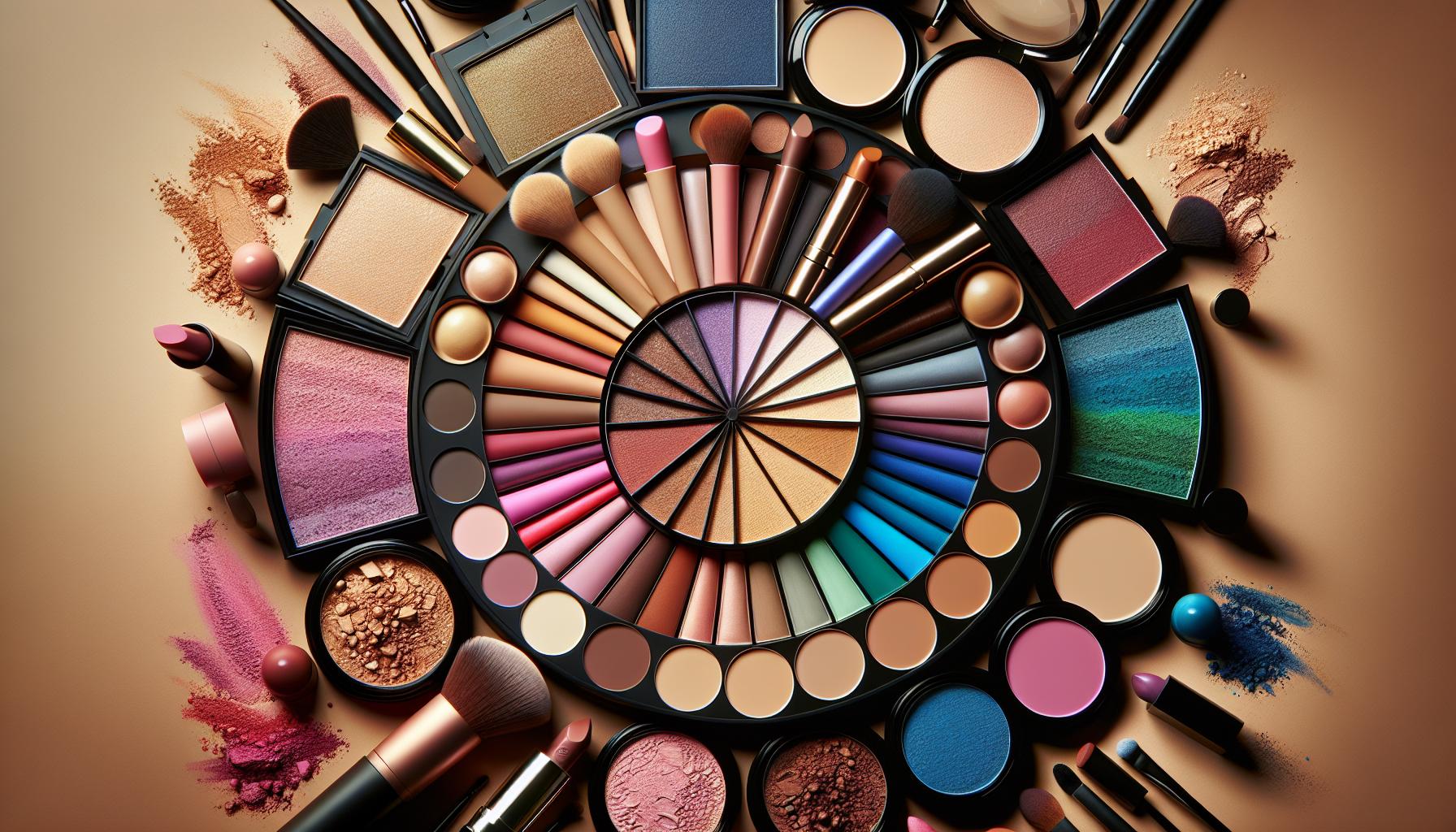
Next, let’s dive into the color wheel, a fundamental resource in color theory that provides a visual representation of colors and their relationships. This wheel can guide you in selecting hues that will amplify your natural beauty. For instance, wearing complementary colors—the shades opposite each other on the wheel—can bring your makeup to life. This includes pairing peach blush with blue eyeshadow or vibrant lip colors that contrast your eye makeup.
- Complementary Colors: Create a bold look by matching colors on opposite sides of the color wheel, like orange lipstick with blue eyeliner.
- Analogous Colors: Blend seamlessly by choosing shades that sit next to each other on the wheel, like reds, oranges, and pinks for a harmonious appearance.
- Triadic Colors: For a vibrant look, incorporate three colors evenly spaced on the wheel. This technique adds excitement while maintaining balance.
Employing the color wheel enhances your creativity, allowing for innovative plays with color. Don’t be afraid to mix up your routine; swap out your usual browns for jewel tones or experiment with bold and vibrant hues that might catch your eye. Remember, makeup is essentially an art form, and the color wheel is your paintbrush.
In the next sections, we will explore how seasonal palettes can serve as a guide for your makeup choices and delve deeper into how to incorporate color theory into your everyday routine. With this knowledge, you’ll soon feel empowered to choose shades that not only beautify but also express your unique personality.
Understanding Undertones: The Key to Color Theory in Makeup
When it comes to makeup, understanding your skin’s undertone is crucial for selecting the perfect shades. The three primary undertones are cool, warm, and neutral. Cool undertones typically have pink, red, or blue hues, while warm undertones feature yellow, golden, or peach tones. Neutral undertones, on the other hand, are a mix of both. Knowing your undertone not only helps in choosing foundation but also in picking blush, eyeshadow, and lip color that enhance your natural beauty.
Color Palettes: Enhancing Your Features with the Right Shades
A well-matched color palette can transform your makeup application. Cool undertones look stunning in jewel tones like emerald green or sapphire blue, while warm undertones shine with earth tones such as terracotta or olive green. For those with neutral undertones, shades like mauve and soft pinks can be universally flattering. The right colors amplify your features and create a harmonious look.
| Category | Description |
|---|---|
| Undertones | Determine skin tone with cool, warm, or neutral hues. |
| Color Palettes | Select shades that enhance and complement natural features. |
Utilizing color theory in makeup can elevate your cosmetic game, making the application process not only simpler but also more effective. As you learn to understand your unique skin tone and undertone, you’ll find yourself exploring a wide array of makeup options tailored specifically for you. This knowledge translates into a refined and confident makeup style that’s uniquely yours.
Trending Techniques: Blending and Layering for Best Results
Incorporating trending techniques such as blending and layering can enhance your application. Blending is essential for creating a smooth, natural finish, while layering allows you to build intensity gradually, ensuring you’ll never overpower your natural beauty. Appropriate application and strategic color choices make all the difference.
DISCOVER MORE: Click here to learn about natural remedies for skin care</
Seasonal Palettes: Your Guiding Light for Shade Selection
Once you’ve identified your skin tone and undertones, the next step in mastering color theory in makeup involves understanding how seasonal palettes can influence your choices. Seasonal color analysis categorizes individuals into four primary groups: Spring, Summer, Autumn, and Winter, with each group representing a unique range of colors that suit certain undertones.
Spring types, typically characterized by warm undertones, shine in bright, warm shades like peach, coral, and golden yellow. These vivacious hues reflect the freshness of spring flowers and enhance the warm radiance of your skin. Think of soft pinks and light taupes that mimic the blossoms of early spring, which can elevate your look.
Summer types, on the other hand, boast cool undertones that flourish in soft, muted shades like pastels, lavender, and cool blues. These gentle tones work harmoniously with your skin’s natural shade, creating a balanced and inviting appearance. Opt for a soft rose blush or a cool azure eyeliner to bring out your best features.
If you possess rich, deep undertones, you likely belong to the Autumn category. This palette is all about earthy tones—think warm russets, burnt oranges, and deep greens. Such colors reflect the autumn leaves and provide warmth that complements the skin. An example would be a rich terracotta lipstick paired with a bronzy eyeshadow.
Lastly, the Winter types, often with a stark contrast between their skin tone and hair color, thrive in bold, vibrant colors like royal purple, emerald green, and icy pinks. These shades make a striking statement and highlight the coolness of your complexion. For makeup, experimenting with dark eyeliner or crimson lip hues can add the necessary drama.
Incorporating Color Theory into Daily Makeup Routines
Knowing your seasonal palette not only simplifies color selection but also encourages daily creativity in your makeup routine. Start by building a foundational makeup kit based on your dominant seasonal colors. Foundations and concealers should match your undertone, thereby creating a flawless canvas. From there, add blushes, eyeliners, and lipsticks that align with your seasonal category.
Additionally, the concept of layering colors is an innovative way to use color theory to enhance your look. For example, a neutral base can be enhanced with pops of seasonal colors through blush or lip products. If you’re in a playful mood, don’t hesitate to blend shades; a cool, soft pink on the cheeks can be brightened with a warm coral highlighter for added dimension.
- Experiment with Texture: Different textures (matte, shimmer, satin) can drastically shift the way the same color appears. Try shiny eye shadows or glosses that provide a fresh look.
- Seasonal Versatility: Many colors can transition across seasons. For instance, a rich berry lipstick can feel autumnal in one context and vibrant for summer in another.
- Confidence is Key: Ultimately, wear colors that make you feel confident. If you love a color that falls outside your seasonal palette, own it! Makeup is about self-expression.
Understanding how to apply color theory to your makeup choices not only helps you enhance your natural features but also empowers you to express your individuality through color. By exploring seasonal palettes and layering techniques, you will uncover the perfect shades that resonate with your skin tone.
DISCOVER MORE: Click here to unlock the secrets of nutrition for your skin
Conclusion: Embrace Your Unique Beauty Through Color
Incorporating color theory in makeup into your beauty routine can be a transformative experience, allowing you to express your individuality while enhancing your natural complexion. By understanding your skin tone and undertones, you can navigate the vibrant world of cosmetics with confidence. The seasonal palettes—Spring, Summer, Autumn, and Winter—serve as invaluable guides, simplifying the process of selecting shades that harmonize with your unique features.
Crafting a makeup kit that aligns with your seasonal palette not only streamlines your choices but also fosters creativity. Remember, it’s not merely about fitting into predefined rules; it’s about cultivating personal style. Experimenting with textures and blending colors can result in dazzling combinations that reflect your personality. While it’s essential to consider your seasonal colors, don’t shy away from hues that resonate with you, even if they fall outside of your palette.
Ultimately, confidence plays a pivotal role; the perfect shade is the one that makes you feel empowered. As you embark on your journey to discover the best colors for your skin tone, keep exploring, playing, and embracing the beauty of makeup. With the principles of color theory as your ally, you can unlock a canvas of endless possibilities that celebrates your unique beauty. So, go ahead, let your colors shine!