Contouring and Highlighting Techniques: Transforming the Face with Makeup
Understanding Contouring and Highlighting
Makeup arts have evolved significantly over the years, with contouring and highlighting techniques taking center stage as powerful tools for sculpting and enhancing facial features. By skillfully manipulating light and shadow, one can redefine their appearance, creating a flawless look tailored to their unique features. Whether you desire a natural daytime look or a bold, theatrical evening style, mastering these techniques opens up a world of possibilities.
The Mechanics of Light and Shadow
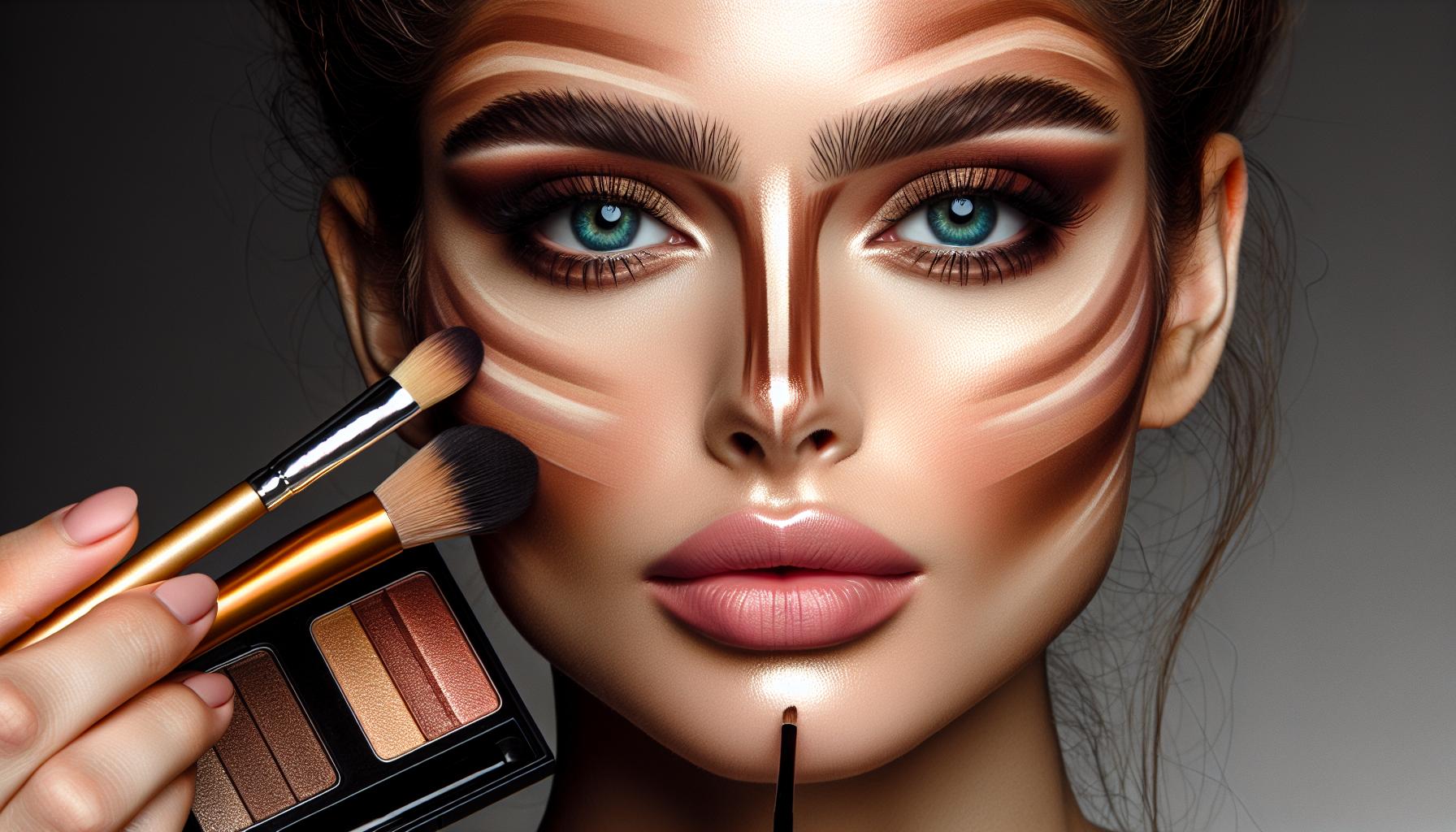
At its core, contouring involves using darker shades to create shadows that define the face, while highlighting employs lighter shades to illuminate areas you want to stand out. This contrast can effectively accumulate drama and depth while enhancing your natural beauty. For example, applying a contour shade under your cheekbones gives the illusion of higher, more pronounced cheekbones, while a dab of highlighter on the tops of the cheekbones catches the light beautifully, adding dimension.
Essential Tools for Success
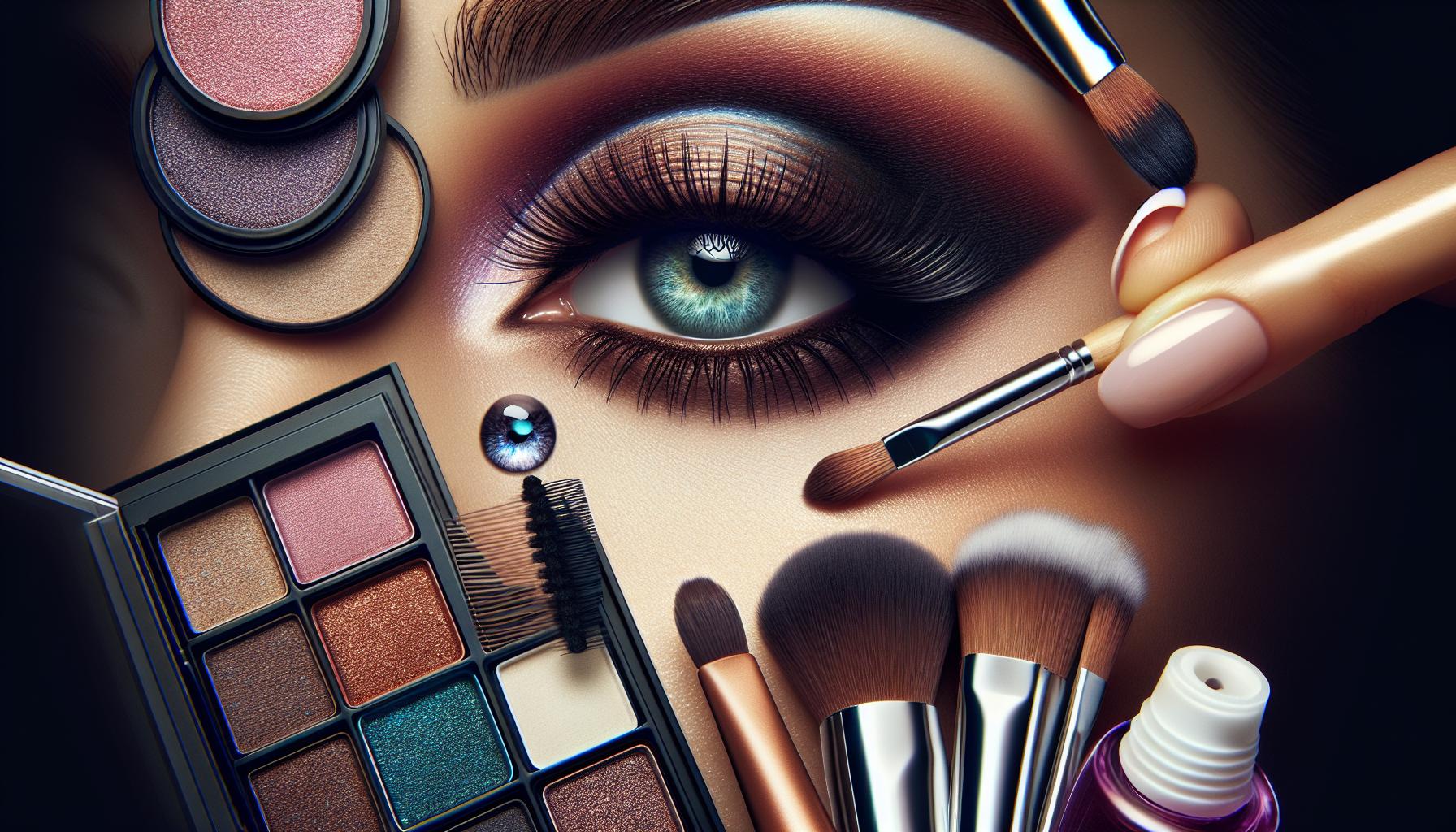
Before diving into the technique, it’s important to arm yourself with the right tools. A variety of brushes, sponges, and even your fingers can be instrumental in achieving a seamless blend. Some essential items include:
- Contouring brush: A dense, angled brush is perfect for applying product precisely.
- Highlighting brush: A smaller, plush brush can help apply highlighter in targeted areas with finesse.
- Blending sponge: For a flawless finish, a damp sponge can help you blend your products smoothly.
- Products: Both cream and powder contours and highlighters offer different finishes; creams may provide a more dewy look while powders have a matte finish.
Avoiding Common Pitfalls
However, even experienced makeup users can fall into the trap of common mistakes. One such error is using too much product, which can lead to an overly drastic look. To avoid this, start light and build up gradually. Additionally, choosing shades that don’t complement your skin tone can result in unnatural appearances. It’s crucial to select products that complement the natural hues of your skin for the most flattering results.
Step-by-Step Techniques for Beginners
For those new to contouring and highlighting, starting with simple techniques can build your confidence. Begin with a clean, moisturized face. Apply your foundation as a base, then:
- Use a contour product under the cheekbones, along the jawline, and on the sides of the nose.
- Add highlighter to the high points of your face, like the bridge of the nose, the center of your forehead, and your chin.
- Blend all products thoroughly to avoid harsh lines, focusing on creating a seamless transition between shades.
By unlocking the secrets of contouring and highlighting, you not only update your makeup routine but also embrace a new appreciation for your unique beauty. With practice and experimentation, anyone can achieve a look that enhances their facial structure and boosts their confidence. The allure of makeup lies in its transformative power, encouraging all to explore their individuality with artistry.
DON’T MISS: Click here to discover the latest trends
Mastering the Art of Contouring and Highlighting
To effectively transform your face with makeup, understanding the concept of contouring and highlighting is crucial. These techniques allow you to sculpt your features through the clever use of light and shadow, ultimately enhancing your natural beauty. Each face is unique, and by learning how to manipulate these elements, you can define or soften various areas, such as the forehead, nose, and jawline, creating an overall flattering effect that reflects your individual style.
The Importance of Face Shape
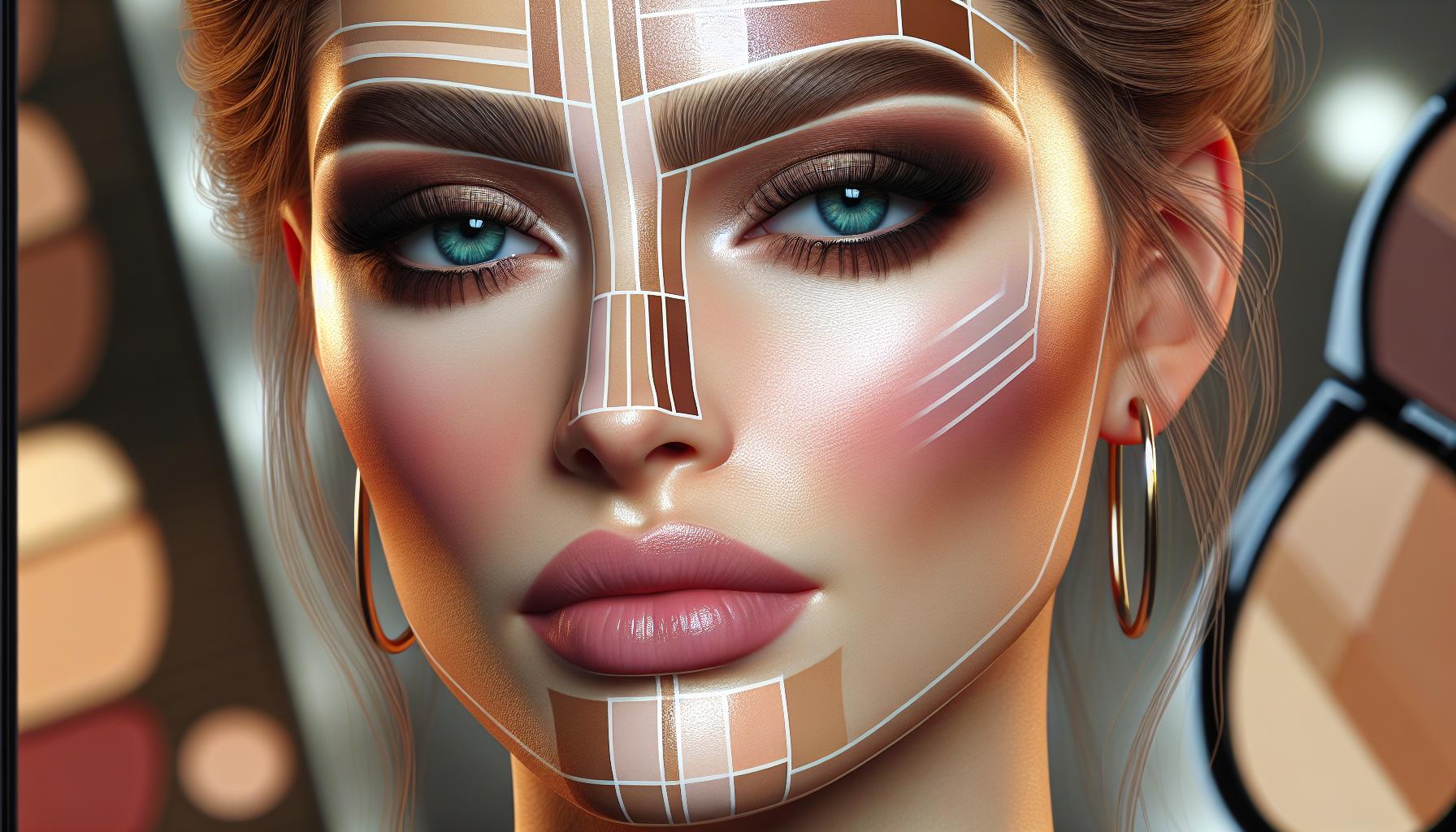
Before diving into application techniques, one essential factor to consider is your face shape. Contouring and highlighting techniques can differ significantly depending on whether you have an oval, round, square, or heart-shaped face. For instance, those with a round face may focus on contouring the sides of the forehead and the cheeks, which gives the illusion of elongation. In contrast, individuals with a square face might contour the jawline and emphasize the cheekbones to soften angular features.
Common Face Shapes and Recommended Techniques
Understanding your unique face shape will help you tailor your makeup approach. Here’s a breakdown of common face shapes and effective contouring and highlighting recommendations:
- Oval: An oval face is well-balanced, so keep it simple. Contour under the cheekbones and apply highlighter along the cheek tops for a natural glow.
- Round: Aim to narrow the face. Contour the sides of the forehead and under the cheekbones while highlighting the center for balance.
- Square: Soften the strong jawline with contouring, focusing on the corners of the jaw. Highlight the center of the forehead and cheeks to draw attention upwards.
- Heart: To balance a wider forehead and narrower chin, contour the forehead’s sides while highlighting the chin and forehead’s center.
Choosing the Right Products
Selecting the appropriate products for contouring and highlighting is imperative for achieving a seamless look. Numerous options are available, from cream-based to powder forms. The choice often comes down to personal preference and skin type:
- Creams: These provide a dewy finish and are ideal for those with dry skin, likely to offer more extensive blending and a natural look.
- Powders: Beneficial for oily or combination skin, powders tend to set well and can be layered for more intensity.
- Sticks: Ideal for quick, on-the-go application, contour and highlighter sticks are versatile and easily blendable.
Experimenting with different products can help you achieve the desired results based on your specific needs. The beauty of these techniques is that they cater to all, empowering everyone to express their individuality through makeup.
Understanding the Art of Contouring and Highlighting
Contouring and highlighting are not just trends; they have emerged as essential techniques in the makeup artist’s toolkit. By utilizing these methods, individuals can create an illusion of depth and dimension on the face, enhancing natural features. Contouring typically involves using a matte, bronzer-like product that is a few shades darker than one’s skin tone, strategically placed to create shadows. Meanwhile, highlighting uses a shimmery or luminous product, applied to areas where light naturally hits the face, such as the cheekbones, brow bones, and the bridge of the nose.
Choosing the Right Products
When it comes to achieving the perfect contour, selecting the right products is crucial. Cream-based products tend to blend well for a softer look, while powders offer more precision for those experienced in makeup application. Pairing these products with the right tools, like angled brushes or beauty sponges, can assist in achieving a seamless finish.
The Importance of Skin Preparation
Before sculpting the face, proper skin preparation is vital. The application of primer and moisturizer not only hydrates the skin but ensures that the makeup adheres better, lasting throughout the day. Preparing the skin can also enhance the effectiveness of contouring and highlighting techniques.
Table: Advantages of Contouring and Highlighting Techniques
| Category | Details |
|---|---|
| Enhanced Facial Structure | Contouring creates a shadow effect that defines cheekbones and jawlines, making them more prominent. |
| Illuminated Features | Highlighting draws attention to specific areas, giving the skin a radiant and healthy glow. |
These techniques not only transform the face but also provide the opportunity for creative expression. By mastering contouring and highlighting, individuals can enhance their makeup looks for any occasion.
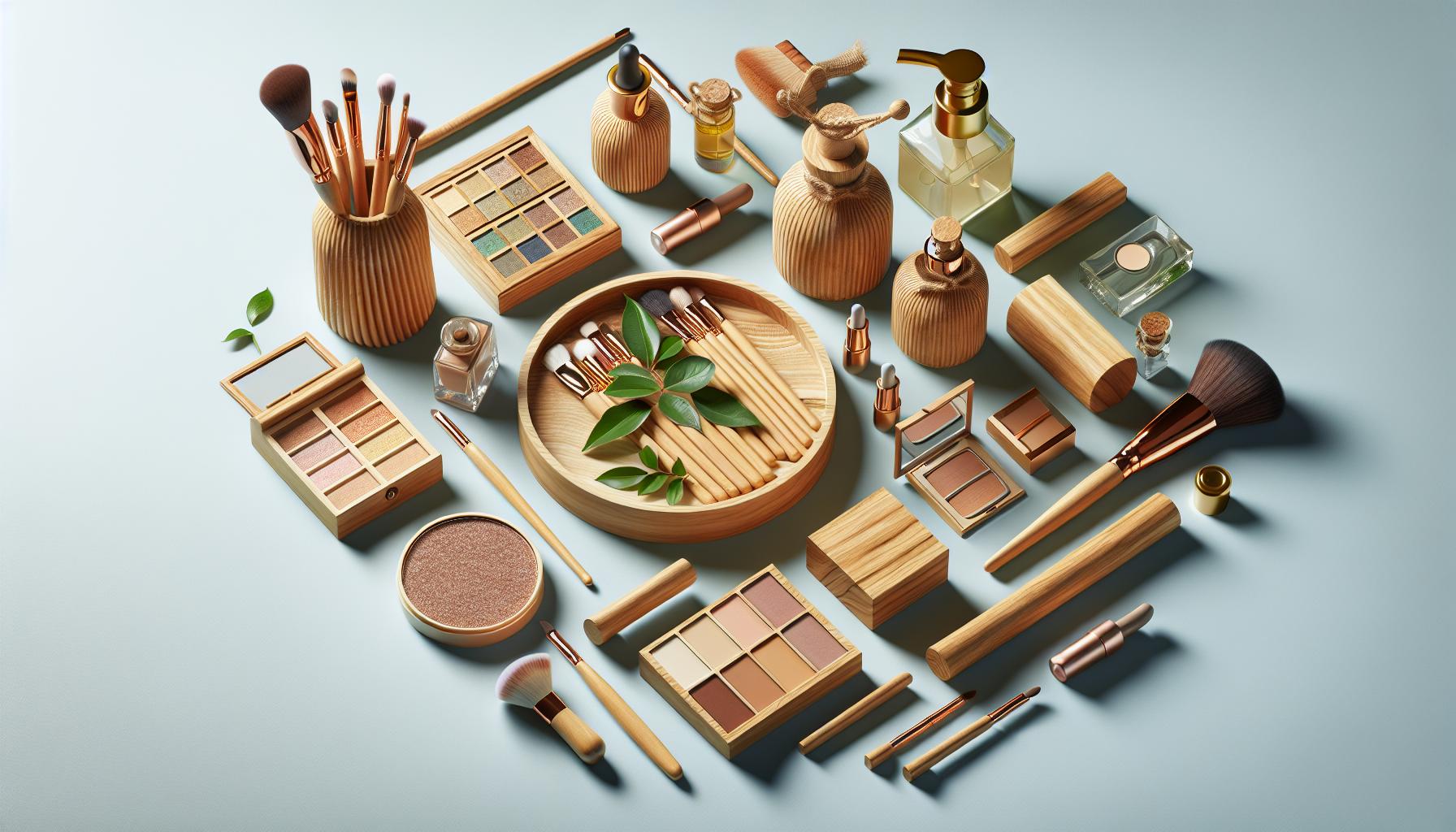
DISCOVER MORE: Click here to learn how to choose the best natural beauty products
Techniques for Flawless Application
Once you’ve identified your face shape and selected the appropriate contouring and highlighting products, mastering application techniques is the next crucial step to achieve a stunning look. Skillful application can make a world of difference, allowing you to elevate your makeup routine and ensure that your features are enhanced rather than overshadowed.
The Right Tools for the Job
Having the correct tools is essential for effective contouring and highlighting. Brushes, sponges, and your fingers all offer unique benefits:
- Brushes: A small, angled brush works wonders for precision contouring, such as along the nose and jawline. A fluffy brush is great for blending, ensuring there are no harsh lines.
- Sponge: A damp beauty sponge can effortlessly blend cream products into the skin, providing an airbrushed finish that is hard to replicate with a brush.
- Fingers: Sometimes, the warmth from your fingers can help to seamlessly blend cream textures, especially around the delicate areas like the under-eye.
Contouring Techniques by Area
To effectively sculpt each area of your face, here is a detailed look at applying contour and highlighter by region:
- Forehead: To create the illusion of a smaller forehead, apply contour along the top edge, blending down towards the hairline. Highlight the center to draw attention forward.
- Nose: For a slimmer nose, use a small brush to apply contour along the sides of the bridge. Highlight the center with a lighter shade to emphasize its shape.
- Cheekbones: To enhance cheekbones, contour beneath them in a diagonal stroke starting from the ear and moving towards the mouth. Highlight the tops of cheekbones for a lifted look.
- Jawline: To define your jawline, apply contour along the jaw’s edge and blend downwards. Highlight the chin to draw focus upward.
Setting and Finishing Touches
After you’ve perfected your contour and highlight, setting your look is essential to ensure longevity. Using a light translucent setting powder can help lock everything in place and prevent any unwanted shine. For those looking for a more radiant finish, a setting spray containing illuminating properties can help maintain that fresh glow.
Don’t be afraid to customize and layer your products for intensity. For a more daytime-friendly look, opt for lighter applications; conversely, dramatic evening looks can benefit from deeper shades and defined lines. Always remember to step back and evaluate your work in different lighting, as this can drastically change how your makeup appears.
Trends and Innovations in Contouring
The beauty industry is constantly evolving, and contouring is no exception. New techniques and products hit the market frequently, such as cream-to-powder formulas and innovative sticks that offer built-in sponges for convenient application. One trend that has garnered attention is reverse contouring, where lighter shades are applied before dark, allowing for a softer approach to highlights that adds dimension.
Furthermore, social media platforms have popularized various advanced techniques, including nose contouring hacks and full face sculpting methods that yield stunning results. Engaging with these communities can provide valuable insights into the newest products and trending techniques, empowering you to incorporate fresh ideas into your makeup routine.
Ultimately, the journey of mastering contouring and highlighting is personal and exploratory. With practice, patience, and an arsenal of knowledge, you can achieve a transformative look that celebrates your unique features and boosts your confidence.
DISCOVER MORE: Click here to learn about hydration in your skincare routine
Conclusion: The Art of Contouring and Highlighting
As we’ve explored throughout this article, contouring and highlighting techniques are powerful tools in the makeup arsenal, capable of transforming your face and enhancing your natural features. Mastering these techniques goes beyond mere application; it involves understanding your unique face shape and selecting products that complement your skin tone. The right tools and innovative trends available today create endless possibilities for achieving the flawless look you desire.
The journey of perfecting your contouring and highlighting skills might seem daunting at first, but it is ultimately rewarding. By employing the techniques discussed—from utilizing the best brushes and sponges to layering products thoughtfully—you can create results that feel both polished and personalized. Moreover, staying updated with the latest trends like reverse contouring and experimenting with new products can keep your makeup routine fresh and exciting.
Remember, makeup is an art form, where experimentation is encouraged, and learning from your experiences is key. Embrace the practice, find inspiration from fellow beauty enthusiasts, and always allow your creativity to flourish. In doing so, you’ll not only enhance your features but also gain confidence that radiates as brightly as your expertly highlighted cheekbones. So, delve deeper into the world of contouring and highlighting, and let each new technique be a step toward your makeup mastery.