
The Role of Diet in Skin Health: Foods That Promote a Glowing Complexion
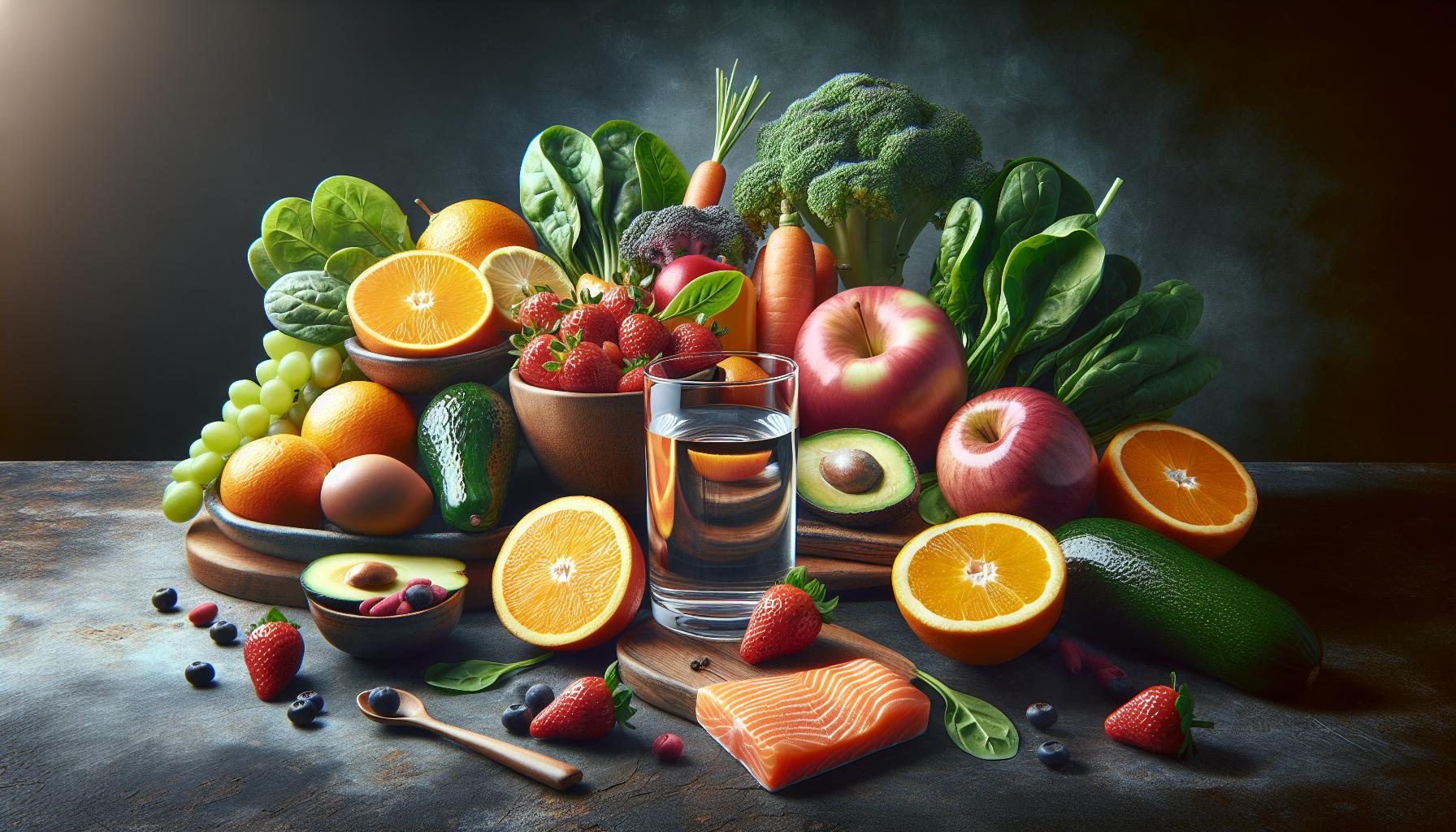
Unveiling the Connection Between Diet and Skin Health
Your skin is not just a barrier; it reflects your overall health and lifestyle choices. While skincare products often take center stage, the role of diet is just as crucial in achieving that coveted glowing complexion. Recent studies underscore the significant link between what we eat and how our skin appears, highlighting that a vibrant diet can pave the way to a healthier version of our outermost organ.
Many are surprised to learn how specific foods can influence skin vitality. A balanced diet rich in essential nutrients can lead to:
- Improved hydration: Water-rich foods help maintain moisture levels in the skin, which can reduce the appearance of fine lines and give skin a plump, healthy look.
- Enhanced elasticity: Certain nutrients, including vitamins A and C, contribute to collagen production, which is vital for maintaining skin structure and firmness.
- Reduction in inflammation: Diets high in anti-inflammatory foods can diminish issues such as acne, rosacea, and other skin conditions.
So, what are the key players that contribute to skin health? Research highlights several nutrient-dense foods known to combat skin issues and promote luminosity. Some of these include:
- Fruits and vegetables: Carrots, kale, and berries are rich in antioxidants, vitamins, and minerals; for instance, carrots contain beta-carotene, which the body converts to vitamin A—an essential nutrient for skin repair.
- Healthy fats: Incorporating foods like avocado and olive oil into your diet can offer vital fatty acids that boost the skin’s barrier function, allowing it to retain moisture more effectively.
- Proteins: Fish, particularly those rich in omega-3 fatty acids such as salmon and mackerel, possess anti-inflammatory properties and support collagen production, aiding in skin elasticity.
Understanding these connections can transform your skincare routine. Rather than relying solely on topical treatments, consider how your meals can also rejuvenate your skin from within. Integrating a variety of these nutrient-dense foods into your daily diet can yield significant improvements over time. Additionally, staying hydrated by drinking plenty of water throughout the day cannot be overlooked, as it plays a critical role in maintaining skin health.
Join us as we explore the fascinating world of diet and skin health. As you investigate further, you may discover that nutrition is a vital component of caring for your skin, solidifying the age-old adage that we truly are what we eat. Empower yourself with this knowledge and watch as not only your skin but your overall health flourishes with each nourishing bite.
DON’T MISS: Click here to discover the benefits of sun protection
Nourishing Your Skin from Within
As we dive deeper into the intricacies of skin health, it becomes evident that certain foods play a pivotal role in promoting a radiant complexion. Key nutrients found in our diet not only support overall health but also exhibit powerful properties that can directly benefit the skin. Understanding these connections allows us to make more informed choices about the foods we consume, hence transforming our approach to skincare.
One of the most influential aspects of diet on skin health revolves around antioxidants. These compounds help neutralize free radicals—unstable molecules that can damage skin cells and accelerate aging. Foods laden with antioxidants can protect your skin at a cellular level. Notably, here are some antioxidant-rich foods you should consider incorporating into your diet:
- Berries: Blueberries, strawberries, and raspberries are tiny powerhouses filled with antioxidants that can aid in defending against skin aging.
- Citrus Fruits: Oranges, grapefruits, and lemons are excellent sources of vitamin C, which is crucial for collagen production, promoting skin firmness and elasticity.
- Dark Leafy Greens: Spinach and Swiss chard contain vitamins A, C, and K, which can enhance skin tone and texture.
Beyond antioxidants, the importance of healthy fats cannot be overstated. Fats are essential for maintaining the structure of skin cell membranes and ensuring that nutrients are delivered effectively. Foods high in omega-3 fatty acids, such as chia seeds, walnuts, and fatty fish, can combat inflammation and keep your skin moisturized. When incorporated into a balanced diet, these healthy fats contribute to a more supple and youthful appearance.
Additionally, vitamins and minerals play a crucial role in skin health. The evidence supporting the benefits of these nutrients is compelling:
- Vitamin E: Found in nuts and seeds, vitamin E serves as a powerful antioxidant that helps protect the skin from UV damage.
- Zinc: Commonly found in pumpkin seeds and chickpeas, zinc aids in skin repair and is essential for the healing of wounds and acne.
- Biotin: Often celebrated in beauty supplements, it is found in eggs and avocados and promotes healthy skin, hair, and nails.
In essence, a diet rich in nutrient-dense foods not only enhances your overall well-being but can also lead to visible improvements in skin health. By focusing on a variety of these skin-friendly foods, you give your skin the best chances at glowing naturally. As we continue to explore this vital connection, it becomes clear that nurturing your skin through diet is a holistic approach that delivers lasting benefits, all while making each meal a delicious opportunity to enhance your beauty.
The Role of Diet in Skin Health: Foods That Promote a Glowing Complexion
In our quest to achieve a radiant complexion, the importance of diet cannot be overstated. Various foods have been shown to possess properties that not only enhance the skin but also protect it from internal and external damages. By integrating these nutrient-rich foods into your daily regimen, you can unlock the secret to healthy, glowing skin.
Antioxidant-rich foods, for instance, are vital in combating oxidative stress caused by free radicals. Berries, dark chocolate, and nuts, packed with vitamins C and E, help to minimize the signs of aging and promote skin elasticity. These antioxidants work hard to rejuvenate the skin, leading to a more youthful appearance.
Moreover, foods high in omega-3 fatty acids, such as salmon, flaxseeds, and walnuts, have been linked to better hydration and skin barrier function. Omega-3s help to regulate oil production and can alleviate conditions such as acne and psoriasis. The incorporation of these fatty acids can significantly alter your skin health, making it more supple and resilient.
Aside from this, leafy greens should appear as a staple in your diet. Packed with vitamins A, C, and K, which are crucial for skin repair, they protect against ultraviolet damage and enhance the skin’s natural glow. Vegetables like spinach, kale, and broccoli not only support overall skin health but also bolster the immune system, which is essential for maintaining a clear complexion.
Lastly, hydration plays a critical role in skin health. Consuming water-rich foods like cucumbers, oranges, and celery keeps the body adequately hydrated, thus ensuring your skin remains plump and youthful. This internal hydration translates externally, providing that coveted glow that many strive for.
In summary, by understanding the significant impact food choices have on skin health, we can take actionable steps toward achieving a luminous, healthy complexion. Next, let’s explore some specific foods that have been triumphantly linked to skin vitality.
| Category | Description |
|---|---|
| Antioxidant Foods | Berries, dark chocolate, and nuts that fight free radicals. |
| Omega-3 Fatty Acids | Salmon, flaxseeds, and walnuts improve hydration and reduce inflammation. |
| Leafy Greens | Spinach, kale, and broccoli provide essential vitamins for skin repair. |
| Water-rich Foods | Cucumbers and oranges keep the skin hydrated for a youthful glow. |
DISCOVER MORE: Click here to learn about the impact of diet on skin
The Impact of Hydration and Gut Health on Skin Vitality
While we’ve explored the role of certain foods rich in vitamins, minerals, and healthy fats, another fundamental element of diet that cannot be overlooked in the discussion of skin health is hydration. Staying adequately hydrated is crucial for maintaining skin elasticity and preventing dryness. Water helps to flush out toxins and keep the skin plump and smooth. It’s recommended that adults drink at least 8 glasses or 64 ounces of water daily, but individual needs may vary. Including water-rich foods like cucumbers, watermelon, and oranges can also contribute to your overall hydration levels while delivering essential nutrients that promote skin health.
In addition to hydration, the connection between gut health and skin health is gaining increasing attention. A balanced gut microbiome can significantly influence skin conditions such as acne, eczema, and psoriasis. Probiotics found in fermented foods such as yogurt, kefir, sauerkraut, and kombucha help cultivate a healthy gut environment. The beneficial bacteria in these foods can combat inflammation and enhance skin’s natural barrier function. Moreover, prebiotics—found in foods like garlic, onions, and bananas—nourish these probiotics, further supporting gut health.
Emerging research emphasizes the link between glycemic load and skin conditions, particularly acne. Foods that have a high glycemic index, such as white bread, sugary snacks, and sodas, can lead to spikes in insulin levels and subsequently increase oil production in the skin. Instead, focus on low-glycemic foods like whole grains, legumes, and most fruits and vegetables, which help to regulate blood sugar and improve skin clarity. This dietary switch can make a significant difference, particularly for those susceptible to acne-prone skin.
Moreover, the role of collagen in skin health cannot be understated. Collagen is a protein that provides structure and elasticity to the skin. As we age, collagen production diminishes, leading to wrinkles and sagging. Nutrient-rich foods that can bolster collagen levels include bone broth, which contains collagen, and vitamin C-rich foods like bell peppers and kiwi, both of which support collagen synthesis in the body. Incorporating these food sources into your diet can provide essential support in maintaining skin firmness and resilience over time.
The importance of omega-3 fatty acids extends beyond just reducing inflammation; they are also vital for maintaining the skin’s lipid barrier, which helps keep moisture locked in. Research shows that diets low in these fatty acids can lead to dry skin conditions. In addition to chia seeds and fatty fish, flaxseeds and walnuts are excellent sources of omega-3s that can easily be incorporated into daily meals to provide lasting hydration and skin smoothness.
Lastly, it is essential to recognize that processed foods and high amounts of sugar can negatively impact skin health. These foods often contain preservatives and chemicals that can trigger inflammation and exacerbate skin issues. Making a conscious effort to limit these items and opt for whole, unprocessed foods will undoubtedly pave the way for a healthier and more vibrant complexion.
Incorporating these dietary adjustments can create a robust foundation for not only glowing skin but also overall health. By paying attention to hydration, gut health, collagen production, and the types of food consumed, individuals can lay the groundwork for enduring skin vitality.
DISCOVER MORE: Click here to learn how nutrition impacts your skin health
Conclusion: Nourishing Your Skin from Within
In conclusion, the evidence clearly illustrates that diet plays a pivotal role in achieving a glowing complexion. By understanding the impact of specific nutrients, hydration, and gut health, individuals can make informed dietary choices that significantly enhance skin vitality. Foods rich in vitamins, minerals, and healthy fats — such as avocados, berries, and leafy greens — provide the building blocks necessary for radiant skin. Additionally, incorporating probiotics and prebiotics can foster a healthy gut microbiome, essential for combating skin issues and promoting overall well-being.
Moreover, choosing low-glycemic foods can help regulate insulin levels, ultimately reducing the risk of conditions like acne. Adequate hydration is also fundamental; water-rich foods ensure that the skin remains supple and can efficiently detoxify. By focusing on nutrient-dense options that support collagen production and include healthy omega-3 fatty acids, individuals can fortify their skin’s moisture barrier and enhance its resilience against the aging process.
This holistic approach to skin health through diet encourages a lifestyle change that benefits not just the skin but overall health. As the skin often reflects the state of one’s internal environment, embracing a whole-foods diet while reducing processed foods and sugars is a powerful strategy for achieving lasting beauty. Therefore, investing time and effort into these dietary modifications can lead to a vibrant, healthy complexion that radiates from within. Take the first step toward transforming your skin health through nutrition, and watch how your complexion blossoms.