Contouring Techniques for Different Face Shapes
The Essential Makeup Skill for Modern Glamour
In recent years, the practice of contouring has emerged as a transformative technique in the beauty community, playing a crucial role in modern makeup routines. With the right techniques, individuals can skillfully enhance their natural features, creating the illusion of a defined, sculpted face. This comprehensive guide will uncover effective contouring techniques for different face shapes, providing insights that empower everyone to master this art.
Understanding Face Shapes
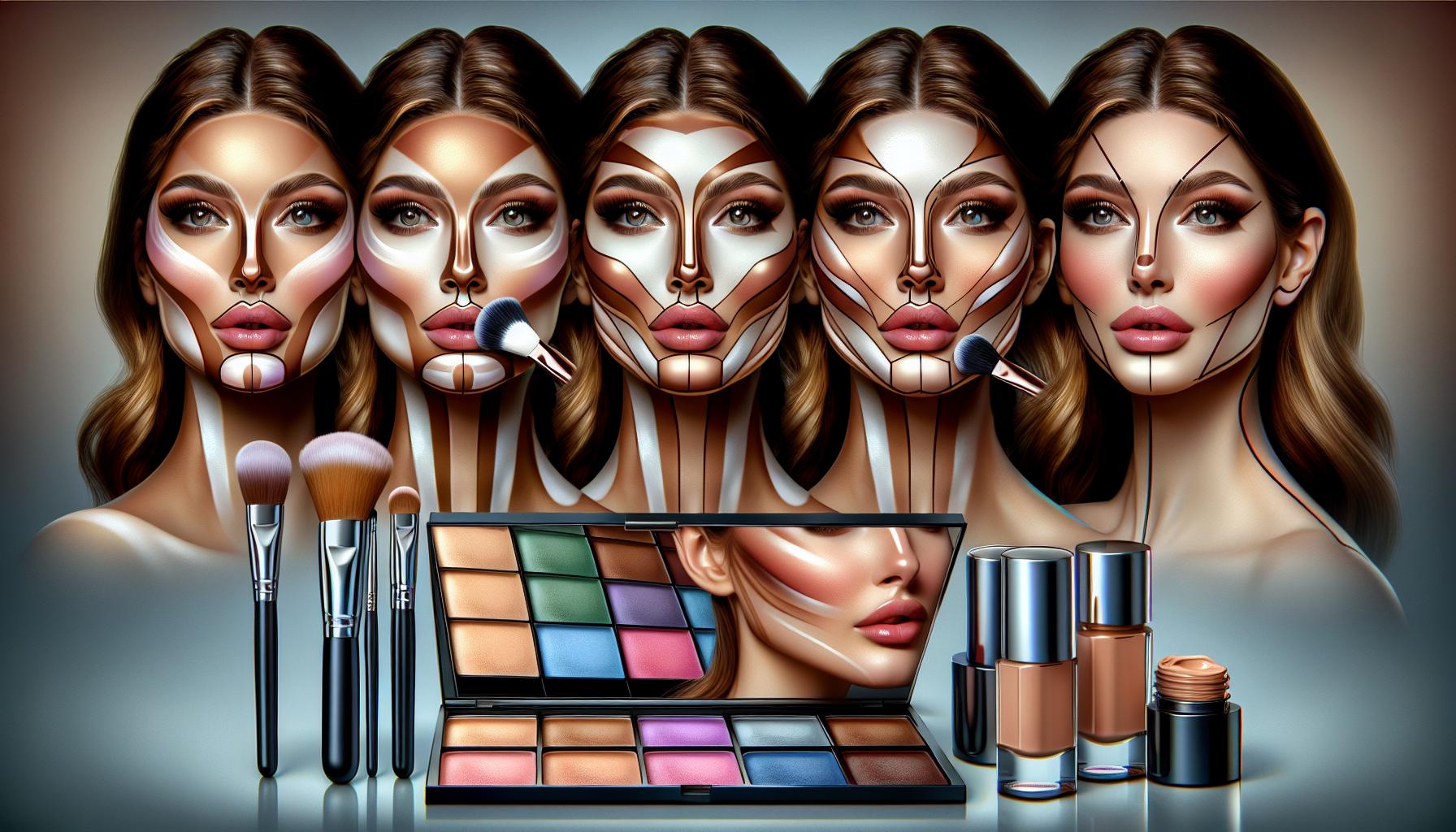
Before we delve into the specifics of contouring techniques, it’s essential to familiarize ourselves with the various face shapes, each requiring a unique approach:
- Oval: This shape features balanced proportions, with a slightly wider forehead than the chin. Those with oval faces can usually go with lighter contouring since their features are well-proportioned.
- Round: Characterized by full cheeks and similar width and length, round faces benefit from contouring that elongates the face, creating angularity and definition.
- Square: With a strong jawline and prominent cheekbones, square faces often need contouring to soften the angles, emphasizing the cheekbones while refining the jaw.
- Heart: Defined by a wider forehead and a narrow chin, heart-shaped faces typically require contouring that balances the forehead with the chin, creating harmony.
- Long: Elongated features characterize long faces, which typically benefit from horizontal contouring to visually shorten the perceived length.
Why Tailoring Techniques Matters
Each face shape demands tailored contouring techniques to achieve the most flattering effects. By considering your individual features, you can:
- Accentuate your unique features: Specific contouring can highlight the best aspects of your face, such as cheekbones or a slender nose.
- Provide balance and harmony to your look: Tailored techniques can help create a cohesive makeup appearance, aligning your features harmoniously.
- Create a more refined appearance: A well-executed contour can add structure to your visage, contributing to a polished, put-together look.
In this article, we will thoroughly explore how to contour for each face shape effectively. With our guidance, you will acquire the skills to elevate your makeup game, ensuring that your techniques deliver stunning results. Whether it’s for a night out on the town or a day at the office, mastering the art of contouring can turn an ordinary makeup routine into a spectacular showcase of your creative talents.
DISCOVER MORE: Click here to uncover the secrets to radiant skin
Mastering Contouring Techniques for Your Face Shape
Understanding the nuances of your unique face shape is pivotal when it comes to engaging in effective contouring techniques. Each shape has its own distinct characteristics, requiring a tailored approach to highlight your best features and balance proportions. By embracing the specific needs of your face shape, you can transform your makeup routine into an empowering experience, creating a flawless, polished look.
Contouring for Oval Faces
Those with an oval face shape are fortunate, as this configuration is considered to be the most versatile. Oval faces maintain an ideal balance between length and width, making them amenable to both subtle and pronounced contouring. To enhance your natural beauty:
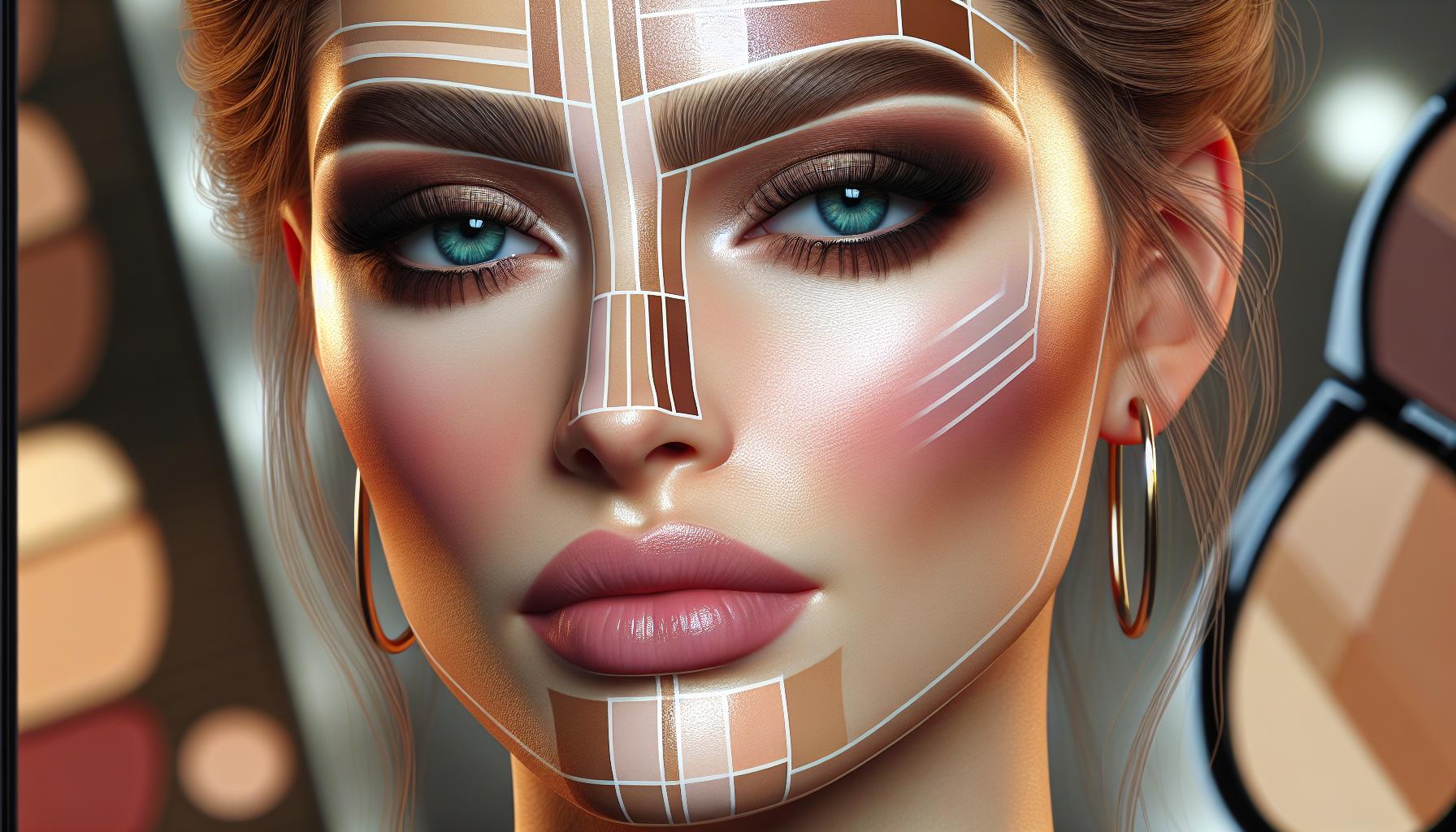
- Highlight: Use a brightening highlighter on the cheekbones, forehead, and chin to emphasize the natural contours.
- Contour: Lightly apply contour along the sides of the nose and under the jawline for a refined definition.
- Blend: Remember to blend thoroughly, as smooth transitions create a polished effect.
Contouring for Round Faces
If you have a round face, the key is to add length and create angles that may not naturally exist. The goal is to visually elongate the face and define the jawline. Follow these steps:
- Cheeks: Focus contouring on the sides of your forehead and also beneath the cheekbones to create that desired definition.
- Jawline: Contour along the jaw, blending it in a downward direction to help elongate your features.
- Nose: Lightly contour the sides of the nose to achieve a slimmer appearance and more balanced profile.
Contouring for Square Faces
With their strong jawlines and broad forehead, square faces can benefit from techniques that soften angular features. The approach here focuses on emphasizing the cheekbones while gently refining the jawline:
- Cheekbone Emphasis: Apply contour just below the cheekbones in a diagonal manner to draw attention to this area.
- Jaw Softening: Use a soft contour along the edges of the jawline to create a more rounded look.
- Forehead and Temples: Blend contour around the temples and forehead to balance proportions and soften the forehead’s width.
As we continue to explore contouring techniques tailored to different face shapes, remember that the ultimate goal is to celebrate your unique beauty. No face shape is less than the other; understanding the art of contouring can enhance your features magnificently. By honing your skills in this area, you’ll unveil the potential for jaw-dropping transformations every time you reach for your makeup brushes.
| Face Shape | Contouring Techniques |
|---|---|
| Oval | Focus on enhancing the natural structure; apply highlighter on the forehead and cheeks. |
| Square | Soften the jawline using darker shades along the jaw and temple; add brightness to the center of the face. |
| Round | Contour the sides of the face to create the illusion of length; highlight the center of the forehead and chin. |
| Heart | Balance the forehead width by contouring both sides and highlight the chin to add definition. |
As explored through individual face shapes, contouring techniques play a crucial role in enhancing one’s facial structure. Each unique shape, be it oval, square, round, or heart, demands specific contouring strategies to highlight natural beauty. For a square face, for instance, the key is to soften the jawline—a method that subtly reshapes the features while remaining natural and elegant. Meanwhile, those with round faces can create length and dimension by focusing on sides and highlighting the center.Discovering these tailored approaches not only empowers individuals to master the art of contouring but also encourages experimentation with various products and tools available. As makeup trends evolve, understanding these fundamental contouring principles ensures that anyone, regardless of their face shape, can achieve that much-desired radiant look. Whether you’re a makeup novice or a beauty enthusiast, expanding your knowledge in this area can lead to enhanced confidence and expertise in applying makeup like a pro.
DISCOVER MORE: Click here for expert tips on preventing breakouts
Perfecting Your Contouring Techniques for Diverse Face Shapes
Contouring for Heart-Shaped Faces
A heart-shaped face features a wider forehead and a narrower chin, which calls for contouring techniques that help balance these proportions. The goal is to soften the forehead while enhancing the cheeks and chin:
- Forehead: Apply contour along the hairline to diminish the forehead’s width, creating a more oval appearance.
- Cheeks: To emphasize your cheekbones, apply blush higher up on the cheek and avoid heavy contouring there, allowing your natural shape to shine.
- Chin: Lightly contour the sides of your chin to create a more rounded effect and smooth out any harsh lines.
Contouring for Long Faces
A long face benefits from contouring techniques aimed at creating the illusion of added width. The main focus should be on the forehead and jawline:
- Forehead: Apply contour to the upper forehead to visually shorten the length, blending well to avoid sharp lines.
- Cheeks: Contour along the sides of your cheeks horizontally to broaden the perception of your face and create dimension.
- Jawline: Use contour along the jawline and blend down to shorten the look of the chin, creating a more balanced silhouette.
Contouring for Diamond-Shaped Faces
Diamond-shaped faces feature prominent cheekbones with a narrow forehead and chin. Contouring for this shape focuses on enhancing the cheekbones while softening the angular features:
- Cheekbones: Contour just below the cheekbones to highlight their prominence, creating a sculpted look.
- Forehead: A light contour at the hairline can help balance the forehead and reduce its width.
- Jawline: Apply contour along the jawline to round off any sharpness, giving a more harmonious appearance to the lower face.
In addition to the above techniques, it’s important to keep skin type and makeup preferences in mind. Cream contours tend to be more forgiving and blend seamlessly for beginners, while powder products offer a more matte finish for those who prefer long wear. When applying any contour, the main rule of thumb is to build up gradually, as it’s easier to deepen than to lighten achieved tones.
Furthermore, investing in the right tools cannot be overstated. High-quality brushes and sponges enable smoother blending, which is integral to a flawless finish. Furthermore, consider experimenting with various lighting conditions. High-definition lighting can dramatically alter the way contours appear, so testing your techniques under different lighting can help you achieve the desired outcome.
Ultimately, contouring is a deeply personal endeavor, shaped by your own preferences and unique features. The beauty of mastering contouring lies in the exciting potential to redefine and enhance the face, empowering you to feel confident in your skin. By learning these techniques adapted to your face shape, you’ll develop a more intuitive sense of how to wield your makeup artistry for stunning results.
DIVE DEEPER: Click here to learn more about protecting your skin
Conclusion: Embrace Your Unique Features with Contouring
In navigating the world of contouring techniques for different face shapes, it’s clear that artistry lies in acknowledging and enhancing individual features. Each face shape offers a unique canvas, calling for distinct strategies to highlight its beauty. Whether you have a heart-shaped, long, or diamond-shaped face, mastering tailored contouring techniques allows you to achieve a harmonious balance that reflects your character.
As you experiment with products ranging from creamy blends to powder finishes, remember that practice is key. Building contour gradually not only ensures a more natural look but also enables you to adapt these techniques as your style evolves. The importance of investing in quality tools cannot be understated, as the right brushes and sponges can make all the difference in achieving a flawless finish.
Furthermore, consider the dynamic nature of lighting. What works in natural light may differ significantly in artificial light, encouraging you to explore various environments. In doing so, you’ll develop a keen sense of how to tailor your makeup application to different scenarios.
Ultimately, the art of contouring is more than mere technique; it’s about empowerment and self-expression. By embracing these strategies, you can cultivate confidence and celebrate your unique beauty. Dive deeper into the art of makeup, and let your creativity flourish while enhancing the stunning features that make you, uniquely you.