The Role of the Microbiome in Skin Health: Understanding Good Bacteria
The Importance of Understanding the Skin Microbiome
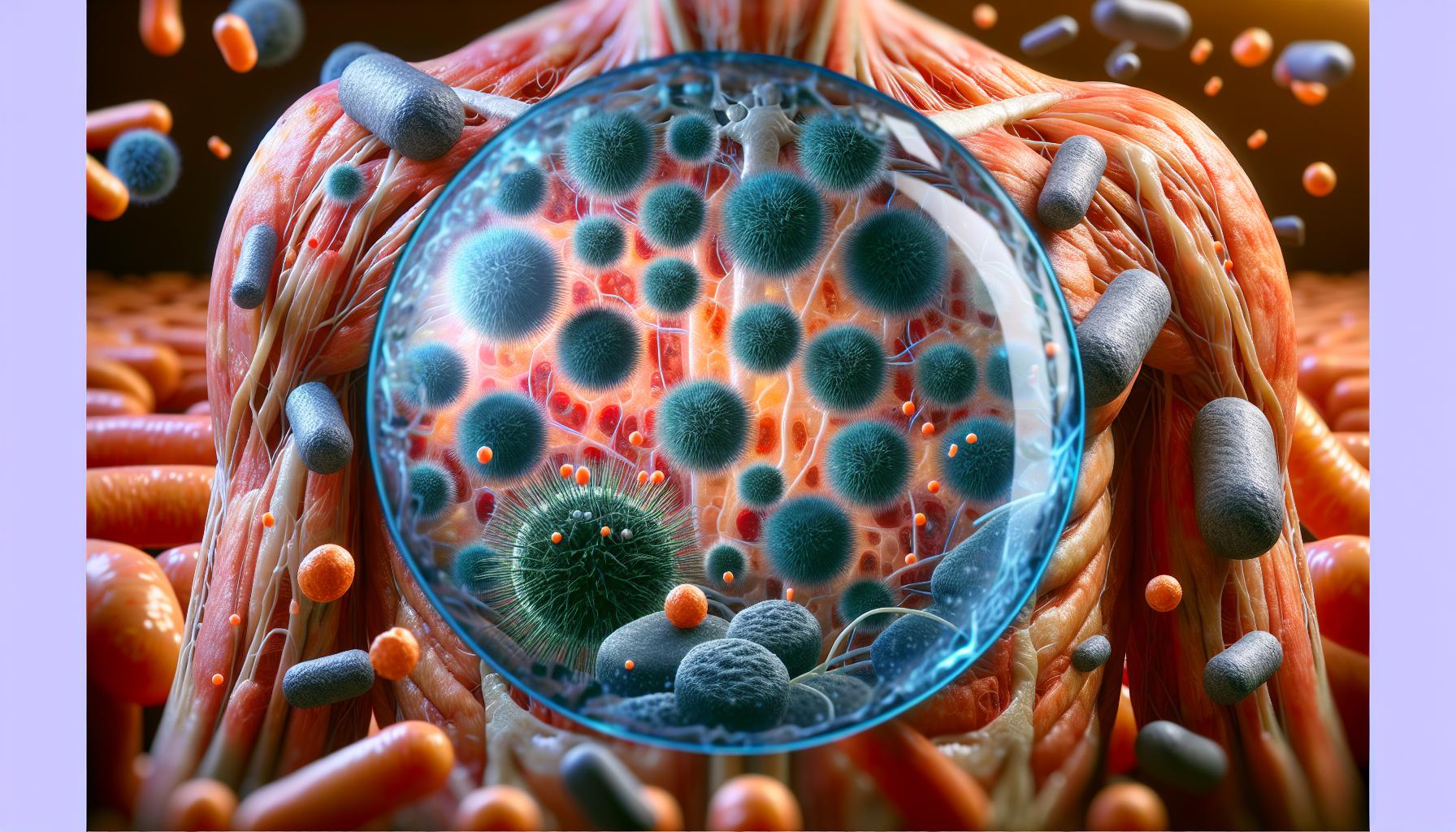
The human body hosts trillions of microorganisms, collectively referred to as the microbiome. Learning about how these good bacteria affect skin health is crucial for both beauty enthusiasts and healthcare professionals alike. From preventing acne to fostering an even complexion, these microbes play a surprising yet vital role. Understanding their impact can lead to better skincare practices and overall skin wellness.
So, what exactly does the microbiome do for skin health? Here are some key contributions:
- Barrier Protection: Good bacteria populate the skin’s surface, creating a formidable defense against harmful pathogens such as bacteria and viruses that can lead to infections. This microbial layer acts as a physical barrier, absorbing available nutrients and minimizing the chance for bad bacteria to establish themselves.
- Inflammation Regulation: A balanced microbiome plays a critical role in regulating the skin’s inflammatory responses. For example, the presence of beneficial strains like Lactobacillus and Bifidobacterium can help mitigate skin conditions such as eczema and psoriasis by soothing inflammation and promoting healing.
- Hydration Maintenance: Certain beneficial strains of bacteria contribute to the skin’s moisture retention by producing hyaluronic acid and other natural hydrators. This ensures that skin remains hydrated and supple, assisting in the prevention of dryness and associated issues.
On the flip side, an imbalance in the skin microbiome, often referred to as dysbiosis, can lead to various skin issues. Conditions such as:
- Acne: This common condition is often linked to an overgrowth of specific bacteria, namely Propionibacterium acnes, which can lead to clogged pores and inflammation. An imbalance can exacerbate acne symptoms and undermine treatment efforts.
- Psoriasis: This autoimmune disorder is also influenced by microbial imbalances. Research suggests that certain bacteria can either trigger flare-ups or help alleviate symptoms, highlighting the importance of maintaining a balanced microbiome.
- Rosacea: This chronic skin condition is characterized by facial redness and pimples. Studies indicate that changes in the skin microbiome could play a role in its onset and persistence.
Exploring the intricate relationship between the skin microbiome and various skin conditions opens up new avenues for skincare and treatments. The more we uncover, the more we realize that maintaining a healthy microbiome could be fundamental for glowing, resilient skin. As more research emerges, it becomes increasingly clear that incorporating probiotics, prebiotics, and mindful skincare choices could significantly benefit skin health.
By understanding and nurturing this complex ecosystem, individuals may unlock the secret to not just healthier skin, but also a more vibrant appearance. This is an exciting frontier in dermatology and skincare that encourages us to rethink our approach to beauty and skin health.
DISCOVER MORE: Click here to learn about color theory in makeup
The Functions of a Healthy Skin Microbiome
To grasp the influence of the microbiome on skin health, it’s essential to dive deeper into its specific functions. The skin microbiome is an incredibly complex ecosystem consisting of a diverse population of microorganisms, including bacteria, fungi, and viruses. Each has a unique role in maintaining skin integrity and function. Here, we highlight some of the most notable actions of beneficial skin bacteria:
- Enhancing Immune Response: The presence of non-pathogenic bacteria stimulates the skin’s immune system, providing an additional layer of protection against pathogens. Probiotics, such as Staphylococcus epidermidis, have shown potential in activating the skin’s defensive mechanisms, helping to ward off infections and inflammation.
- pH Balance Regulation: The skin’s surface is naturally acidic, with a pH between 4.5 and 5.5, which is crucial for optimal skin function. Beneficial bacteria help maintain this acidity by producing lactic acid and other organic acids, which deter harmful organisms and promote a healthy skin barrier.
- Stimulating Repair Processes: Certain skin bacteria contribute to healing by producing antimicrobial peptides, which aid in wound closure and promote skin regeneration. This is essential not just for minor scrapes, but also for conditions where the skin barrier is compromised.
- Reducing Oxidative Stress: Exposure to environmental stressors can lead to oxidative damage, which accelerates skin aging and degradation. Good bacteria help combat this by producing antioxidants that neutralize free radicals, thus promoting skin health and vibrancy.
- Encouraging Skin Cell Turnover: A healthy microbiome supports the natural process of skin cell renewal. By breaking down dead skin cells, beneficial bacteria facilitate cellular turnover, resulting in a brighter and more even skin tone.
The dynamic interplay between these functions emphasizes the importance of a balanced microbiome. Disruption of this delicate ecosystem can result in a range of skin issues. Factors such as poor diet, overuse of antibiotics, and excessive cleansing can lead to dysbiosis, a state where harmful bacteria proliferate while beneficial ones diminish. This imbalance can manifest in various skin conditions, ranging from dryness and irritation to chronic conditions like dermatitis and inflammatory acne.
Understanding how to support and nurture the skin’s microbiome is crucial for holistic skin care. Recent trends in skincare have placed a significant focus on formulations containing prebiotics and probiotics, which aim to replenish good bacteria and restore balance. These products capitalize on the science of the microbiome to provide not only superficial beautification but deeper support for skin health.
As we continue to explore the synergy between our skin and its microbial partners, the potential for innovative skincare solutions appears limitless. Adopting practices that promote a thriving microbiome may unlock new ways to achieve not only aesthetic goals but also long-lasting skin vitality.
As we delve deeper into the intricate relationship between the microbiome and skin health, it becomes increasingly clear that these microscopic organisms play a pivotal role in maintaining the skin’s equilibrium. The human skin is not merely an external barrier; it is a dynamic ecosystem that hosts trillions of microbial inhabitants, commonly referred to as skin microbiota. These microbes, including bacteria, fungi, and viruses, contribute to skin integrity and functionality in several important ways.One notable advantage of a balanced skin microbiome is its role in enhancing the skin’s defense mechanisms. The presence of beneficial bacteria acts as a protective shield against harmful pathogens, effectively reducing the risk of infection. Additionally, they can produce antimicrobial substances that inhibit the growth of opportunistic bacteria, preventing conditions such as acne and eczema. This underlines the importance of maintaining a diverse and healthy microbiome.Furthermore, the microbiome plays a crucial part in modulating skin inflammation. Studies have shown that certain beneficial bacteria can release signals that regulate the immune response, promoting a balanced inflammatory reaction. This is particularly significant for individuals suffering from inflammatory skin conditions, where a disrupted microbiome can exacerbate symptoms and lead to chronic skin issues. By promoting the growth of good bacteria, we can effectively support skin health and mitigate inflammatory responses.Additionally, the gut-skin connection cannot be overlooked. Recent research suggests that the health of our gut microbiome has direct implications on skin health. A balanced gut microbiome can enhance the absorption of nutrients essential for skin vitality and promote systemic anti-inflammatory effects. This interconnectedness illustrates the holistic nature of health, where the maintenance of a healthy microbiome—both on the skin’s surface and within our digestive system—significantly impacts our skin’s appearance and resilience.In summary, the microbiome’s role in skin health goes beyond surface-level benefits. A thriving community of good bacteria not only protects against pathogens and inflammation but also supports overall skin vitality through its connection with gut health. Understanding this complex relationship opens new avenues for skincare and treatment approaches, paving the way for innovative solutions that prioritize microbial balance for healthier skin.
DISCOVER MORE: Click here for eye makeup styles
Microbiome Diversity and Its Impact on Skin Conditions
While the functions of beneficial skin bacteria are increasingly recognized, understanding the importance of microbiome diversity takes this knowledge a step further. A rich and varied population of microbes on the skin can enhance the resilience and adaptability of the skin when faced with environmental challenges. Studies have shown that individuals with more diverse skin microbiomes often experience fewer skin issues and exhibit better overall skin health.
For instance, research published in the journal Nature highlights a correlation between microbiome diversity and conditions like eczema and psoriasis. Those with these skin disorders usually present a reduction in microbial variety, signaling that a lack of beneficial bacteria may exacerbate inflammation and hinder healing. Conversely, patients with a healthy, diverse microbiome report improved skin conditions and a reduction in flare-ups.
The factors influencing microbiome diversity are varied, including genetics, lifestyle choices, and geographical location. Environmental factors such as urbanization and exposure to natural ecosystems can significantly shape the microbial landscape of one’s skin. For instance, people living in urban areas may show reduced microbial diversity compared to those from rural settings, possibly due to differences in exposure to plants, animals, and varying pollutants. This emphasizes the importance of a connection to nature, which not only nurtures the body but may also enrich the skin microbiome.
Diet and the Skin Microbiome
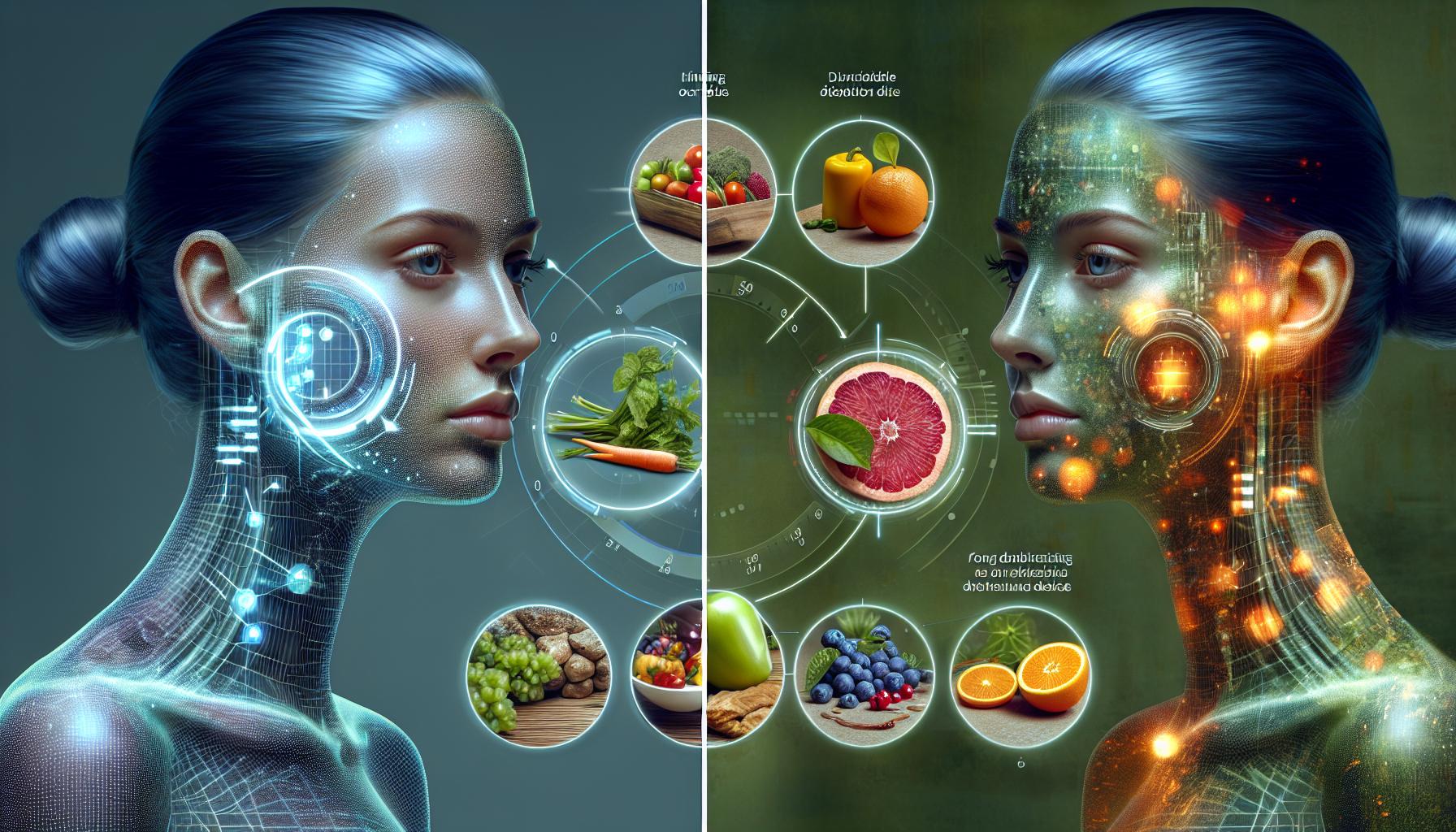
A fascinating area of study involves the link between diet and the health of the skin microbiome. Emerging research suggests that what we eat has a significant impact on the composition of our skin bacteria. Diets rich in antioxidants, vitamins, and minerals can foster a thriving microbiome, while those high in sugars, refined carbohydrates, and unhealthy fats can lead to dysbiosis.
For instance, the Mediterranean diet, which is rich in fruits, vegetables, whole grains, and healthy fats, has been associated with improved skin health and a more diverse skin microbiome. On the contrary, diets high in processed foods and sugars have been linked to inflammatory conditions such as acne. A notable study found that a high glycemic diet can worsen acne symptoms and appears to affect the skin’s bacterial composition adversely.
The Role of Skincare Products
Additionally, the role of skincare products cannot be understated when considering the skin microbiome. Many traditional skincare products contain harsh ingredients that can disrupt the microbiome balance, leading to compromised skin health. The widespread use of antibacterial soaps and cleansers may eradicate beneficial bacteria along with harmful ones, paving the way for conditions such as dermatitis and acne.
Recognizing this, a growing movement towards microbiome-friendly products has emerged. These innovative formulations often incorporate prebiotics and postbiotics—ingredients designed to nourish and support the proliferation of beneficial bacteria. Brands are increasingly focusing on creating gentle, restorative products that prioritize the skin’s microbiome, understanding that nurturing this ecosystem may yield superior long-term results than merely addressing surface-level concerns.
As our understanding of the skin microbiome evolves, so too does the potential for developing advanced skincare solutions tailored to enhance the skin’s natural defenses. Researchers are continually uncovering the profound effects of good bacteria and the need to shift our skincare paradigm from mere aesthetics to a more holistic approach focused on overall skin health.
DISCOVER MORE: Click here for essential tips and products
Conclusion: Embracing the Power of the Microbiome
In summary, the microbiome plays a crucial role in maintaining skin health, highlighting the significance of fostering a balanced community of beneficial bacteria. As we have explored, the diversity of these microbes not only impacts skin conditions such as eczema and acne but also influences the skin’s resilience to environmental stressors. Therefore, shifting our focus from merely treating symptoms to embracing a holistic approach that nurtures the skin microbiome is vital.
The interplay between diet, environmental exposure, and skincare practices significantly contributes to the composition and diversity of the microbiome. By adopting a nutritious diet laden with antioxidants and whole foods, alongside using microbiome-friendly skincare products, individuals can cultivate a thriving microbial community that enhances skin health. Such innovative products, infused with prebiotics and postbiotics, are beginning to revolutionize the approach to skincare, enabling the skin to heal and restore its natural balance.
As scientists continue to uncover the complexities of the microbiome, it is clear that the future of skincare lies not in challenging the skin’s ecosystem with harsh treatments but in harmonizing with it. Consumers are encouraged to educate themselves on the benefits of good bacteria and consider how their choices—from dietary habits to product selections—can positively influence their skin microbiome. Embracing this knowledge offers new possibilities for achieving healthy, radiant skin from the inside out, making the microbiome a vital aspect of our overall health journey.