The Importance of Hydration for Skin Health
The Importance of Hydration for Skin Health
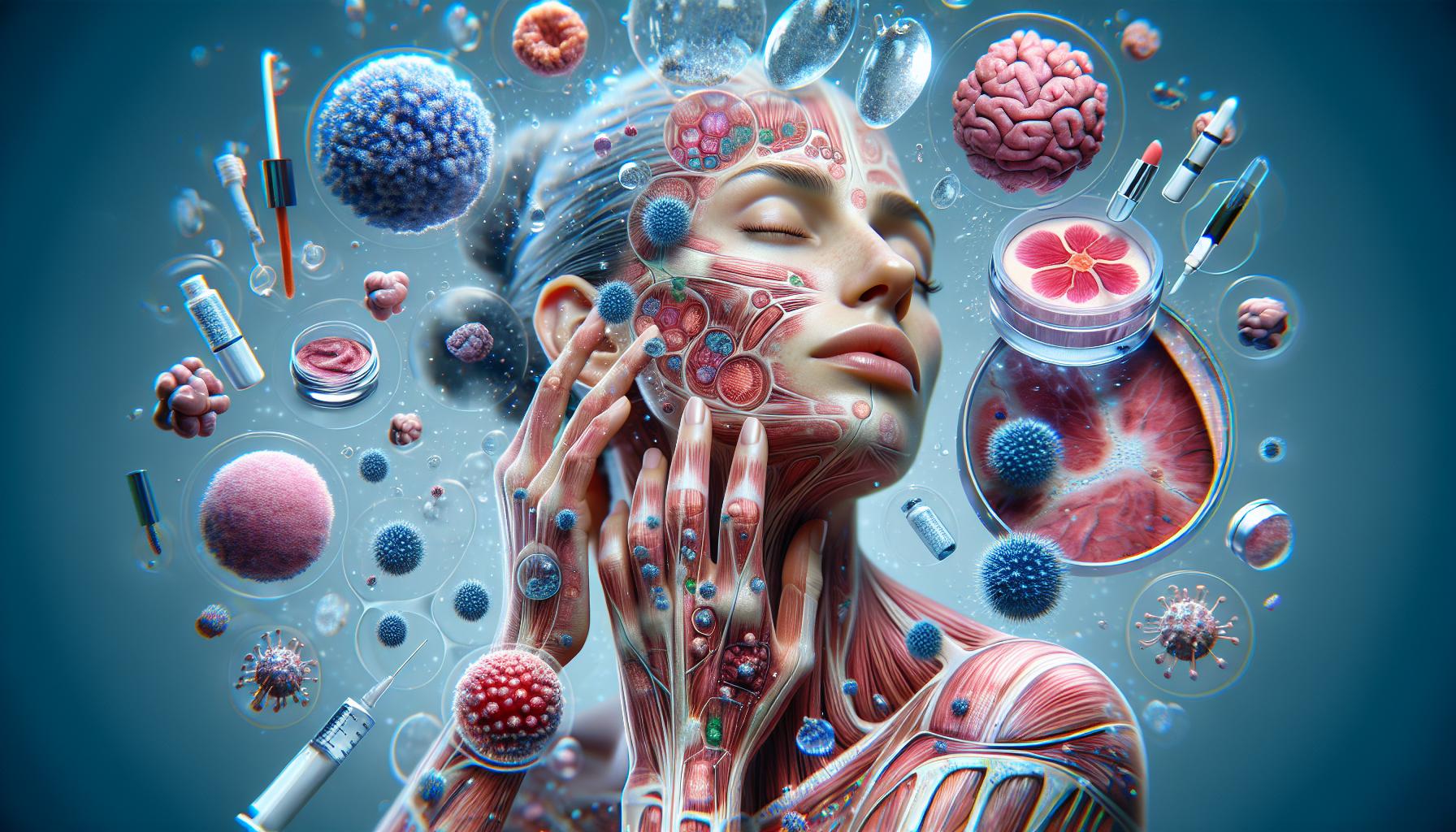
Your skin is the body’s largest organ and serves as a protective barrier. Yet, many fail to realize that hydration is a key factor in its health. Dehydrated skin can lead to a range of concerns, from dryness and irritation to premature aging. The connection between hydration and skin vitality is an essential aspect of maintaining a youthful and healthy appearance.
Understanding why hydration matters for skin health can transform your skincare routine. Here are some crucial aspects to consider:
- Moisture Balance: Hydrated skin maintains its elasticity and resilience. When your skin is adequately moisturized, it can stretch without breaking, leading to a plump and youthful appearance. This balance also helps to mitigate the appearance of fine lines and wrinkles.
- Barrier Protection: Adequate water intake helps to strengthen the skin’s barrier against environmental aggressors, such as pollution and UV radiation. When your skin lacks moisture, it can become more permeable, allowing harmful substances to penetrate and contribute to issues like acne or eczema.
- Complexion Boost: Proper hydration can improve skin texture, leading to a more radiant complexion. Individuals who drink plenty of water often notice a subtle, natural glow to their skin, as hydration helps to promote cell turnover and healing.
In the United States, dermatologists often emphasize the importance of drinking enough water daily, yet many Americans overlook this essential practice. The general recommendation is to consume eight 8-ounce glasses of water daily, but individual needs may vary based on factors such as age, activity level, and climate. For instance, those living in hot climates or engaging in intense exercise might require more fluid intake to stay hydrated.
Additionally, using hydrating products can complement your intake of fluids. Ingredients such as hyaluronic acid, glycerin, and aloe vera are popular in moisturizers and serums, as they attract and retain moisture in the skin. When selecting skincare products, look for those labeled as ”hydrating” or ”moisturizing,” as they can significantly enhance your skin’s hydration levels.
Whether you’re dealing with dry, oily, or sensitive skin, understanding hydration can help you discover new methods to care for your complexion. Just because your skin may produce excess oil doesn’t mean it doesn’t need hydration. In fact, dehydrated skin can lead to increased oil production as your body attempts to compensate for dryness. Understanding your skin type and its specific hydration needs will enable you to tailor your skincare routine more effectively.

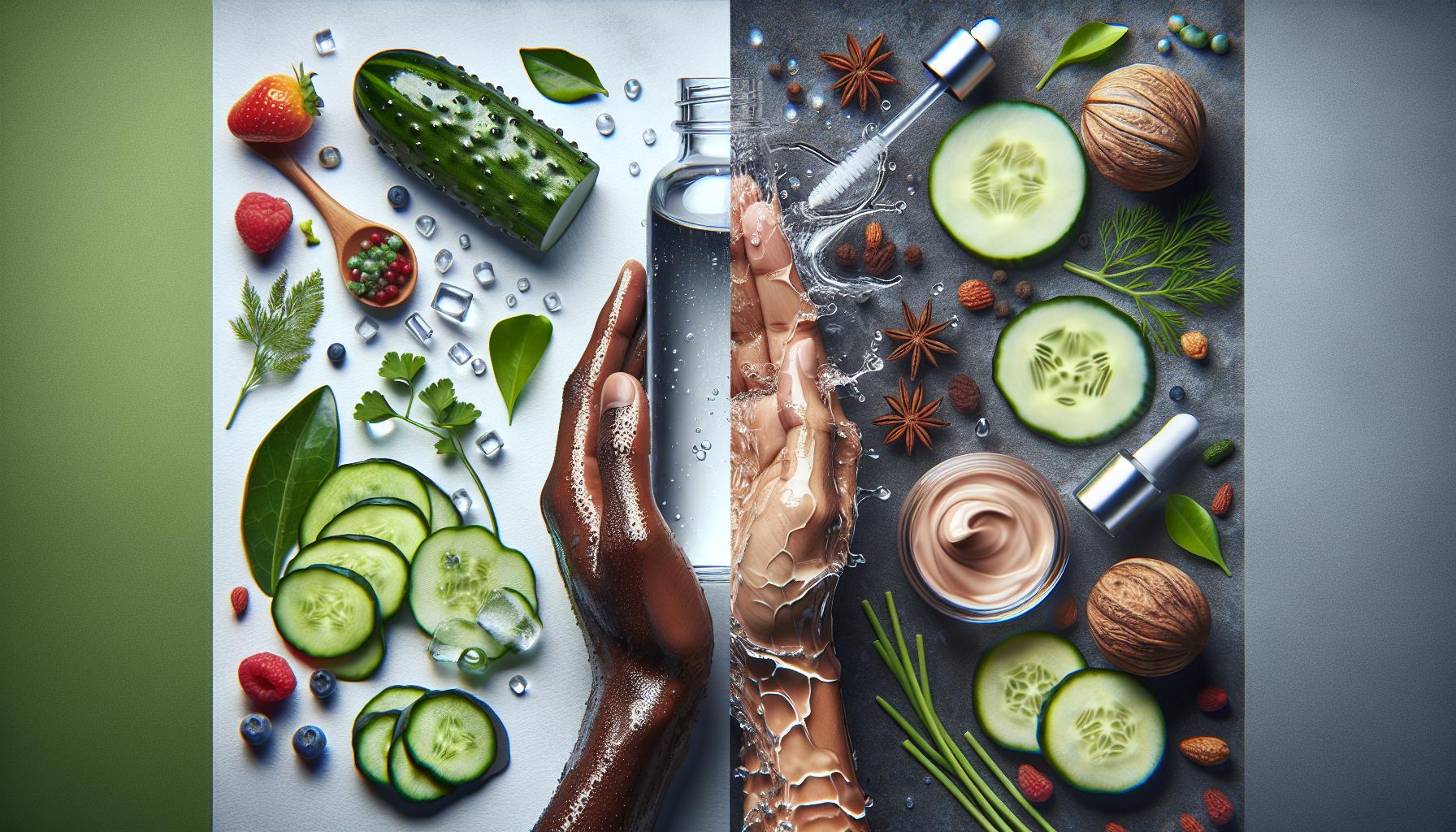
Ready to dive deeper into how hydration impacts your skin? Adopting simple habits such as drinking more water, adding hydrating foods to your diet—like cucumbers, watermelon, and oranges—and using quality moisturizing products can significantly alter your skincare results. By prioritizing hydration, you are taking the first critical step toward achieving that coveted, glowing look!
DISCOVER MORE: Click here to learn how nutrition impacts your skin
Why Hydration is Crucial for Skin Vitality
When it comes to maintaining healthy skin, hydration plays a central role. Not only does water sustain life, but it also has a direct impact on the overall appearance and texture of your skin. Dehydrated skin often appears dull and lifeless, and can even lead to more serious issues if left unaddressed. This makes understanding hydration essential for anyone seeking to improve their skin health.
One of the first things to consider about hydration is how it aids in moisture retention. The skin’s outer layer, known as the stratum corneum, serves as a barrier that protects the body from external aggressors while also retaining moisture. When this barrier is compromised due to inadequate hydration, skin can become dry and irritated. To combat this, it’s important to not only drink plenty of water but also use topical products that support moisture retention.
- Skin Elasticity: Well-hydrated skin is more elastic and supple. This elasticity is key to maintaining a youthful look, as it allows the skin to bounce back from stretching and movement. When the skin lacks water, it becomes rigid and more susceptible to fine lines and wrinkles.
- Inflammation Reduction: Good hydration can help reduce inflammation in the skin. Studies show that dehydrated skin can be more prone to conditions like eczema and psoriasis. By ensuring adequate moisture levels, you can aid your skin in maintaining a healthier and calmer state.
- Enhanced Circulation: Hydration also supports better blood circulation, delivering essential nutrients to skin cells. Improved circulation can result in a more improved skin tone and texture, giving your complexion that coveted glow.
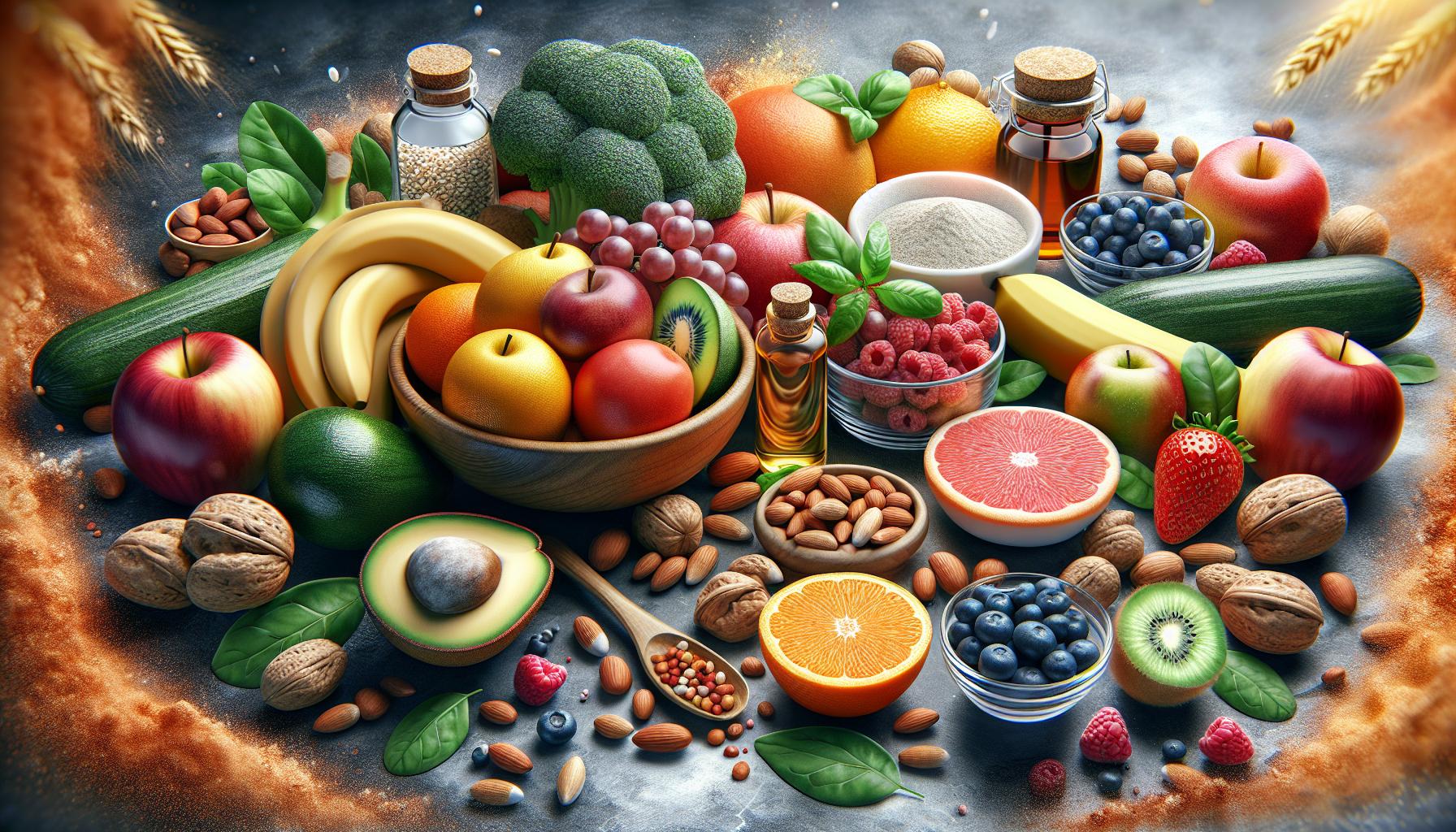
It’s important to note that hydration isn’t just about drinking water. The foods we consume also play a critical role in our hydration levels. Foods such as fruits and vegetables, particularly those with high water content like strawberries, celery, and spinach, can contribute to your overall fluid intake. Incorporating these into your diet can provide additional hydration benefits, benefiting not just your skin but your overall health.
Moreover, the concept of hydration extends beyond internal sources. With the wide array of skincare products available, selecting those with hydrating ingredients can effectively enhance your skin’s moisture levels. Look for products containing hyaluronic acid, glycerin, or aloe vera, as these ingredients are known for their exceptional ability to attract and retain moisture in the skin.
Understanding the many facets of hydration empowers individuals to take control of their skin health. Adopting a multi-faceted approach that combines adequate water intake, nutrient-rich foods, and effective topical applications can lead to transformative results. Prioritizing hydration in your daily routine is a simple yet impactful way to achieve vibrant and healthy skin.
The Role of Skin Hydration
Hydration plays a pivotal role in maintaining the overall health and appearance of our skin. When properly hydrated, skin appears more vibrant, elastic, and youthful. On the contrary, inadequate moisture can lead to a myriad of issues such as dryness, flakiness, and premature aging. Moreover, keeping skin hydrated promotes a clearer complexion and lessens the likelihood of breakouts. This highlights the vital connection between hydration and skin health, making it essential for anyone seeking to maintain a radiant appearance.Additionally, hydration aids in the skin’s natural barrier function. This barrier acts as a shield against environmental stressors, pollutants, and harmful toxins. A well-hydrated skin barrier is more effective in keeping these harmful elements at bay while retaining moisture. The benefits of hydration extend beyond aesthetics; well-hydrated skin can significantly reduce the risk of skin irritations and conditions such as eczema and psoriasis. To effectively keep the skin hydrated, it is crucial to incorporate both external and internal sources of moisture. Drinking an adequate amount of water throughout the day is fundamental, and integrating hydrating skincare products, such as serums and moisturizers, can enhance your skin’s moisture levels. Furthermore, foods rich in antioxidants and healthy fats, such as avocados, nuts, and berries, can provide additional hydration support from within. Using sunscreen should also be considered essential as it not only protects from harmful UV rays but also helps retain skin moisture. Ultimately, understanding the importance of hydration is the key to achieving and maintaining healthy, glowing skin, making it a topic worth delving deeper into for anyone interested in skincare.
| Hydration Benefits | Impact on Skin Health |
|---|---|
| Enhanced Elasticity | Hydrated skin retains its suppleness, reducing the appearance of fine lines. |
| Improved Barrier Function | Moisture enhances the skin’s ability to defend against external irritants. |
DISCOVER MORE: Click here for essential anti-aging ingredients
How to Optimize Hydration for Luminous Skin
In the quest for vibrant skin, understanding hydration strategies can be a game changer. The benefits of adequate moisture extend beyond merely quenching thirst or pampering with moisturizers. A holistic approach integrating both internal and external hydration practices is essential for a revitalized complexion.
One effective method to enhance skin hydration is through incorporating superfoods into your diet. Foods rich in omega-3 fatty acids, such as salmon, walnuts, and flaxseeds, have been linked to maintaining skin integrity and hydration. Furthermore, antioxidants like vitamin C, often found in citrus fruits, play a crucial role in skin repair and protection from oxidative stress, which can deplete moisture levels. It is fascinating to note that certain studies indicate that diets high in antioxidants can lead to improved skin hydration and overall appearance.
- Hydrating Beverages: While water is essential, other beverages can also aid in hydration. Herbal teas, coconut water, and even broths can contribute to your fluid intake. Green tea, in particular, is celebrated for its anti-inflammatory properties, which can benefit the skin from the inside out.
- Mindful Consumption: Keeping an eye on your caffeine and alcohol intake is crucial as both can be dehydrating. Caffeine is a diuretic, leading to increased urination and potentially reduced water retention in the body. Moderation is key when enjoying beverages like coffee and cocktails, balancing them with adequate water intake.
Equally important as your internal hydration is establishing a strong topical skincare routine. A layering technique is highly effective, wherein you apply hydrating products from thinnest to thickest. Starting with a hydrating serum containing hyaluronic acid can be extremely beneficial; this potent ingredient can hold 1,000 times its weight in water, effectively plumping the skin. Following up with a lightweight moisturizer can help seal in that hydration, creating a barrier that prevents moisture loss.
Also, be mindful of the impact of environmental factors on hydration levels. Humidity plays a significant role in how moisture is retained in the skin; in dry climates or during winter months, the air can strip moisture away. Investing in a good humidifier can add much-needed moisture to the air, promoting skin hydration while you sleep. Additionally, hot showers, while relaxing, can lead to increased skin dryness. A gentle, lukewarm shower is preferable for maintaining hydration.
Innovative skincare practices are on the rise, with hydrating masks and treatments gaining popularity. Many clinics offer professional facials that focus on deep hydration, utilizing ingredients such as collagen and peptides to rejuvenate and restore moisture levels. Regularly treating yourself to such treatments can help elevate your skin health significantly.
In conclusion, optimizing hydration for skin health is a multifaceted endeavor. By understanding and combining dietary habits, skincare techniques, and environmental considerations, you can create a powerful regimen that promotes lasting hydration and enhances your skin’s vitality. Incorporating these strategies into your daily routine can lead to remarkable outcomes, making a compelling case for the critical importance of hydration in achieving beautiful skin.
DISCOVER MORE: Click here for expert-recommended ingredients
Conclusion: The Key Role of Hydration in Achieving Healthy Skin
In wrapping up our exploration of hydration for skin health, it is clear that moisture is not merely a cosmetic concern but a foundational pillar of overall skin vitality. The interconnectedness of internal hydration through diet and fluid intake, alongside topical hydration via effective skincare products, provides a comprehensive strategy for nurturing the skin. By incorporating foods high in omega-3 fatty acids and antioxidants into your meals, alongside staying mindful of detrimental beverages, you can significantly enhance your skin’s resilience and glow.
Furthermore, adapting your skincare routine to include hydration-rich products and being aware of environmental factors can lead to transformative results. Whether it’s through gentle moisturizing practices or professional treatments, the science behind hydration clearly emphasizes its necessity for a youthful complexion. Consider that even small changes in daily habits can yield noticeable improvements in your skin health.
As our skin ages and faces various environmental stressors, the role of hydration cannot be overstated. Continuous research highlights the profound link between hydration and skin elasticity, clarity, and overall appearance. Therefore, embracing a dedicated approach to maintaining hydration is essential not only for your skin’s physical appearance but also for your self-confidence.
To truly appreciate the importance of hydration for skin health, remember that this commitment goes beyond surface-level beauty; it reflects a holistic and informed view of self-care. Explore these hydration strategies further, and witness the revitalizing effects they can have on your skin journey.