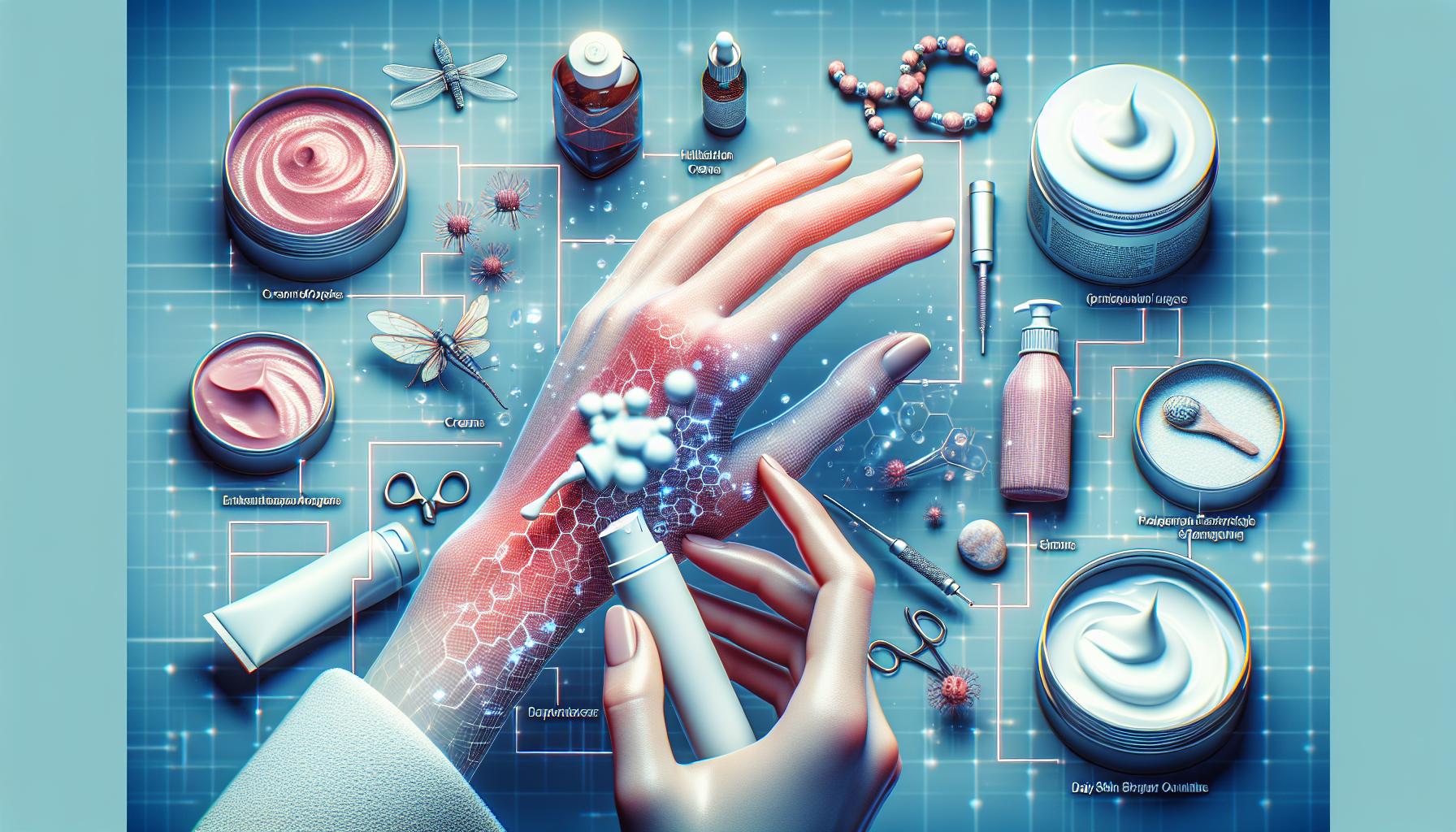
Understanding Common Skin Conditions: Tips for Managing Acne and Eczema
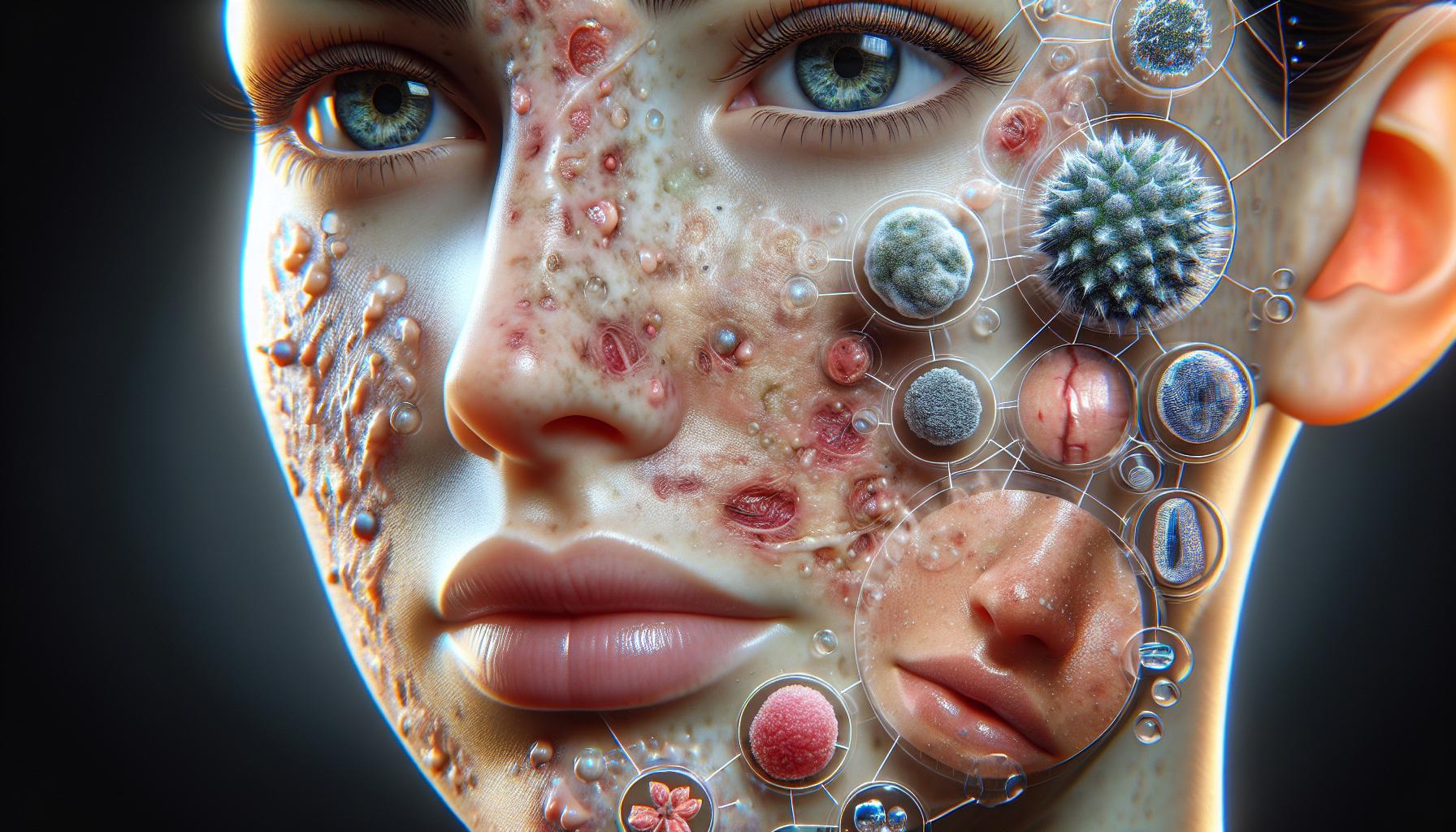
Understanding Acne
Acne, while commonly associated with the tumultuous teenage years, is a skin condition that can extend well into adulthood. Characterized by pimples, blackheads, and cysts, acne results from the clogging of hair follicles due to excess oil, dead skin cells, and bacteria. According to the American Academy of Dermatology, approximately 50 million Americans experience acne annually, making it one of the most prevalent skin disorders in the country.
There are several types of acne, including non-inflammatory types such as blackheads and whiteheads, and inflammatory types including papules, pustules, and nodules. Understanding your specific type of acne is crucial in determining the appropriate treatment route. For example, over-the-counter treatments containing benzoyl peroxide or salicylic acid can be effective for mild cases, while severe cases may require prescription medications or even light therapy.
Exploring Eczema
Eczema, often referred to as atopic dermatitis, is another prevalent skin condition, particularly affecting children but not exclusive to them. It is characterized by dry, itchy, and inflamed skin. The National Eczema Association reports that approximately 31.6% of children in the United States have some form of eczema. This condition can be triggered by various factors, including allergic reactions, irritants, and stress, complicating its management.
There are several types of eczema, such as contact dermatitis, which can result from skin contact with allergens, or dyshidrotic eczema, which involves small, itchy blisters on the hands and feet. Treatments often include lubricating ointments and topical corticosteroids to reduce inflammation. Furthermore, adopting a holistic approach by identifying and avoiding triggers, such as certain soaps or fabrics, can significantly improve symptoms.
Common Triggers and Management Strategies
Both acne and eczema share common triggers which can exacerbate symptoms. Factors like hormonal changes, particularly during menstruation or pregnancy for women, can lead to increased flare-ups in both conditions. Stress and anxiety are also significant contributors, affecting not only mental health but also skin conditions.

Environmental factors play a crucial role as well. For instance, urban areas with high levels of pollution may worsen acne and eczema symptoms. Dietary influences, particularly high-sugar and processed foods, can trigger inflammatory processes in the body, potentially leading to skin disturbances. Research indicates that diets rich in omega-3 fatty acids and antioxidants can help combat inflammation, leading to healthier skin.
Conclusion
As we navigate the complexities of managing acne and eczema, it’s vital to adopt a proactive stance. By understanding the characteristics and triggers of these conditions, individuals can make informed decisions about treatment and lifestyle changes. Stay tuned as we further explore practical solutions and insights tailored to enhance not just skin health but overall well-being.
DISCOVER MORE: Click here to learn the art of contouring
Understanding Acne and Its Management Techniques
Acne can often feel like a lifelong battle, affecting not just skin appearance but emotional well-being. As one of the most widely diagnosed skin disorders in the United States, it is essential to familiarize oneself with effective management strategies. Recognizing the intricacies of acne, including its various forms such as cystic acne, also aids in identifying the right treatment for each individual. Here are some management techniques that can significantly improve acne symptoms:
- Consistent Skincare Routine: Establishing a daily skincare regimen that includes gentle cleansing and moisturizing can effectively prevent excess oil buildup.
- Topical Treatments: Products containing retinoids can help unclog pores, while salicylic acid can reduce inflammation and promote exfoliation.
- Oral Medications: For severe cases, dermatologists may prescribe antibiotics or hormonal treatments, such as birth control pills, which can help regulate hormones contributing to acne.
- Professional Procedures: Treatments such as chemical peels, laser therapy, and light therapy have shown success in reducing acne severity and preventing future outbreaks.
Understanding individual triggers can also be paramount in managing acne effectively. Factors like diet, stress level, and hormonal fluctuations can play significant roles in exacerbating the condition. For example, studies reveal that high glycemic index foods may lead to increased insulin levels, causing more oil production in the skin. Making dietary adjustments by incorporating whole foods, such as fruits, vegetables, and whole grains, can contribute positively to an acne-free complexion.
Diving Into Eczema Management
Eczema, while often perceived as a condition isolated to children, can persist or emerge during adulthood. Its underlying causes generally relate to a compromised skin barrier, making the skin susceptible to irritation and allergens. Identifying triggers such as harsh soaps, detergents, and temperature changes is crucial for anyone experiencing eczema symptoms. Here is a brief overview of effective management strategies:
- Moisturization: Consistently applying hypoallergenic moisturizers can help seal in moisture and protect the skin barrier. Look for products containing ingredients like ceramides and glycerin.
- Medicated Creams: Topical corticosteroids and non-steroidal options are often prescribed to manage flare-ups and reduce inflammation.
- Wet Wrap Therapy: In severe cases, wrapping the affected areas with wet bandages after applying medication can help enhance absorption and soothe irritation.
- Allergen Avoidance: Staying vigilant about known triggers, whether it’s certain fabrics or environmental conditions, can significantly reduce flare-ups.
Moreover, the emotional toll of living with eczema shouldn’t be overlooked. Stress can worsen symptoms, and finding effective coping mechanisms, such as meditation or yoga, can aid in managing both skin health and overall emotional well-being. As we journey through these skin conditions together, understanding the comprehensive approach to managing both acne and eczema will empower individuals to reclaim their confidence.
Understanding Common Skin Conditions: Tips for Managing Acne and Eczema
Acne and eczema are prevalent skin conditions that affect millions of individuals worldwide, yet they often remain misunderstood. Understanding the causes, symptoms, and management techniques for these skin issues is essential for anyone seeking relief and improved skin health. Let’s delve into some effective strategies for managing these conditions.
Managing Acne
Acne is primarily caused by excess oil production, clogged pores, and the bacteria Propionibacterium acnes. To effectively manage acne, consider the following tips:
- Keep your skin clean: Gentle cleansing twice a day can help remove excess oil and prevent breakouts. Look for non-comedogenic products that won’t clog pores.
- Use topical treatments: Ingredients like benzoyl peroxide, salicylic acid, and retinoids can significantly reduce acne flare-ups.
- Consult a dermatologist: Prescription medications such as antibiotics or hormonal treatments may be necessary for severe cases.
Managing Eczema
Eczema, on the other hand, is characterized by dry, itchy patches of skin and is often linked to allergens, stress, and genetic factors. Here are effective ways to manage eczema:
- Moisturize regularly: Use thick creams or ointments to lock in moisture and relieve dryness.
- Avoid triggers: Identify and avoid irritants such as certain soaps, fabrics, and allergens that may exacerbate symptoms.
- Talk to your doctor: In some cases, topical corticosteroids or immunomodulators may be prescribed for inflammation control.
By adopting these management strategies, individuals experiencing acne and eczema can find significant relief and improve their overall skin health. Both conditions require a personalized approach; therefore, understanding one’s unique triggers and responses is crucial for effective treatment.
| Category 1 | Category 2 |
|---|---|
| Understanding Acne | Recognizing root causes like hormonal changes and lifestyle impact. |
| Managing Eczema | Focusing on hydration and identifying allergens to minimize flare-ups. |
Both acne and eczema can severely impact one’s self-confidence and overall quality of life. Emphasizing education on these conditions not only aids in treatment but also promotes better skin health and awareness in society.
DISCOVER MORE: Click here to learn about the rise of natural skincare ingredients
Exploring Common Triggers for Acne and Eczema
To effectively manage acne and eczema, it is essential to understand the common triggers that can aggravate these skin conditions. Each individual may have unique sensitivities, but there are several well-documented factors that many people share. By identifying and addressing these triggers, individuals can take proactive steps toward smoother skin and greater comfort.
Identifying Acne Triggers
Acne can flare up due to a variety of internal and external factors. Recognizing these can help tailor treatment plans:
- Dietary Choices: Research has shown that some individuals may experience increased acne outbreaks after consuming dairy products and high-sugar diets. Foods rich in omega-3 fatty acids, such as salmon and walnuts, may actually help reduce inflammation and promote skin health.
- Hormonal Fluctuations: Many teenagers and women may see a surge in acne during hormonal changes, such as puberty or menstruation. Understanding these patterns can guide management strategies, including potential hormone therapy.
- Cosmetic Products: Certain makeup or skincare products can clog pores. Opting for non-comedogenic products can be crucial in maintaining clear skin.
- Environmental Factors: Pollution and humidity can also lead to an increase in oil production, which may exacerbate acne. Wearing protective skincare before heading outdoors can serve as a barrier against these external aggressors.
Understanding Eczema Triggers
Just like acne, eczema is influenced by several triggering factors. Knowing these influences can greatly aid in managing symptoms effectively:
- Weather Conditions: Cold, dry air or intense humidity can irritate the skin. During winter months, utilizing humidifiers indoors can help maintain moisture in the air, while sunscreen in summer protects against excessive sun exposure, which may lead to flare-ups.
- Allergens and Irritants: Common allergens such as pollen, pet dander, and dust mites can exacerbate eczema symptoms. Regular cleaning and utilizing hypoallergenic bedding can help reduce exposure.
- Fabric Selection: Certain fabrics, especially wool or synthetic fibers, can provoke irritation. Cotton, being breathable, is often recommended for individuals with eczema to ensure comfort.
- Rubbing and Scratching: The urge to scratch affected areas can worsen eczema and lead to infection. Keeping nails trimmed and utilizing distraction techniques can help minimize this behavior.
Coping Strategies for Emotional Well-being
The psychological aspect of dealing with these skin conditions shouldn’t be underestimated. Living with visible skin issues can impact self-esteem, leading to anxiety or depression. Here are a few strategies to improve mental well-being:
- Support Networks: Engaging with support groups, whether in-person or online, provides the opportunity to connect with others experiencing similar challenges. Sharing stories can foster a sense of community and understanding.
- Mindfulness Practices: Techniques such as mindfulness, meditation, or deep-breathing exercises can significantly reduce stress levels. Integrating these practices into daily routines can potentially lessen flare-ups.
- Professional Help: Seeking help from a therapist specializing in chronic skin conditions can provide individuals with tools to cope with the emotional ramifications of acne and eczema, promoting a healthier mindset.
Taking a comprehensive view of managing acne and eczema through careful identification of triggers, effective skincare strategies, and promoting emotional wellness can lead to improved quality of life for those affected by these common skin conditions.
DIVE DEEPER: Click here for eye makeup styles and techniques
Conclusion: Embracing Healthier Skin with Knowledge
In today’s world, where image plays a crucial role in self-perception, understanding common skin conditions like acne and eczema is essential for empowerment and effective management. This guide has illuminated various strategies to diagnose and tackle these skin concerns, underscoring that individual experiences can greatly vary. By identifying triggers—whether dietary, environmental, or emotional—individuals can implement targeted strategies that cater to their unique needs.
Additionally, integrating specific skincare routines and adopting mindful practices can significantly improve both physical symptoms and mental well-being. Sometimes, the path to clearer skin involves not only topical treatments but also a holistic approach to health, including the right nutrition and emotional support. Furthermore, engaging with community support—through online forums or local groups—can foster connections that provide encouragement and understanding.
It is crucial to remember that while managing conditions like acne and eczema can be challenging, it is possible to maintain a quality of life that embraces one’s self-esteem and individuality. Continuous learning and adaptability, along with professional guidance where necessary, play essential roles in this journey. By prioritizing education on these skin conditions, individuals empower themselves to explore new solutions tailored to their needs—ultimately paving the way toward healthier, more radiant skin.