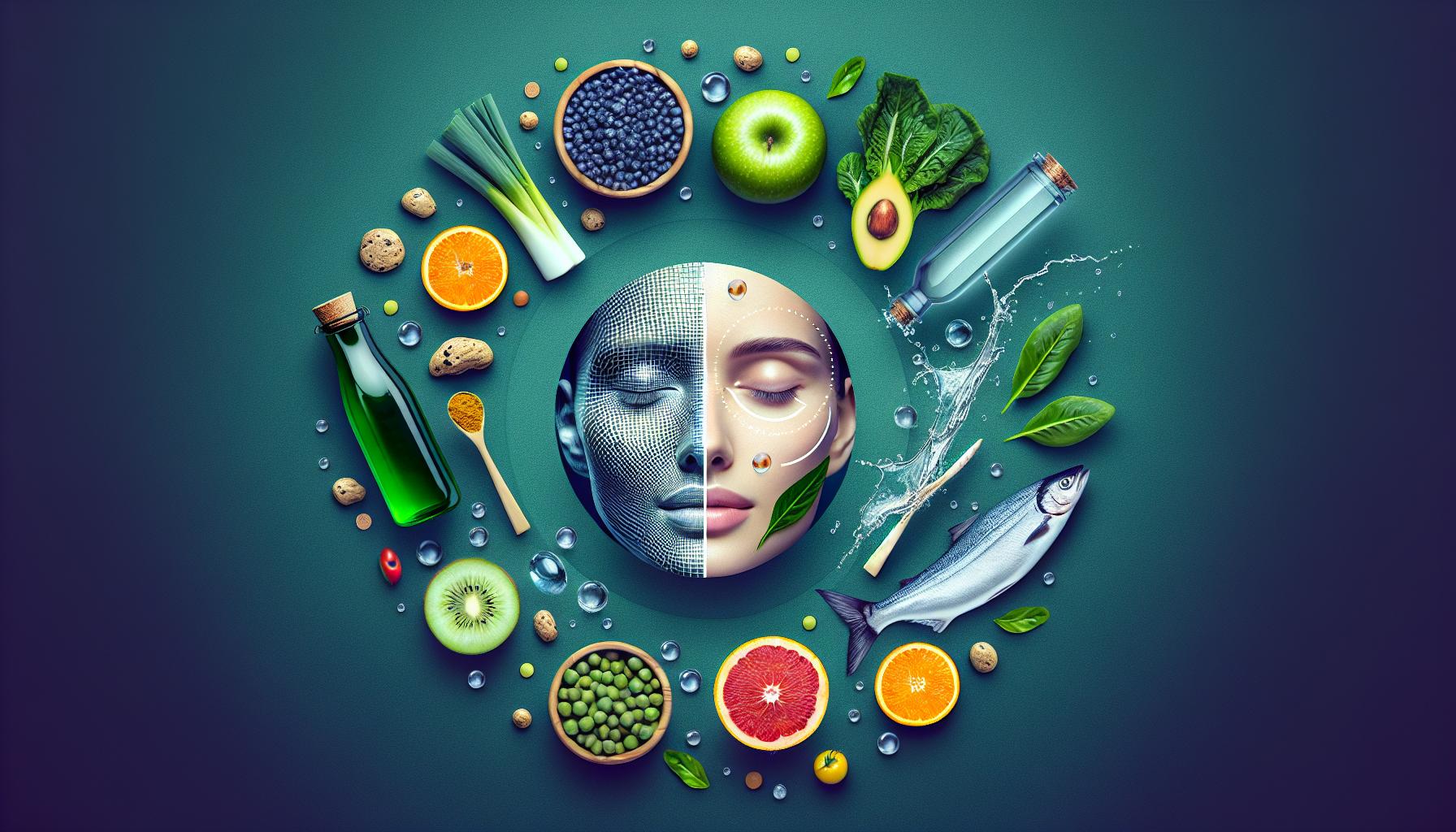
The Impact of Pollution on Skin Health: Strategies to Protect Your Complexion
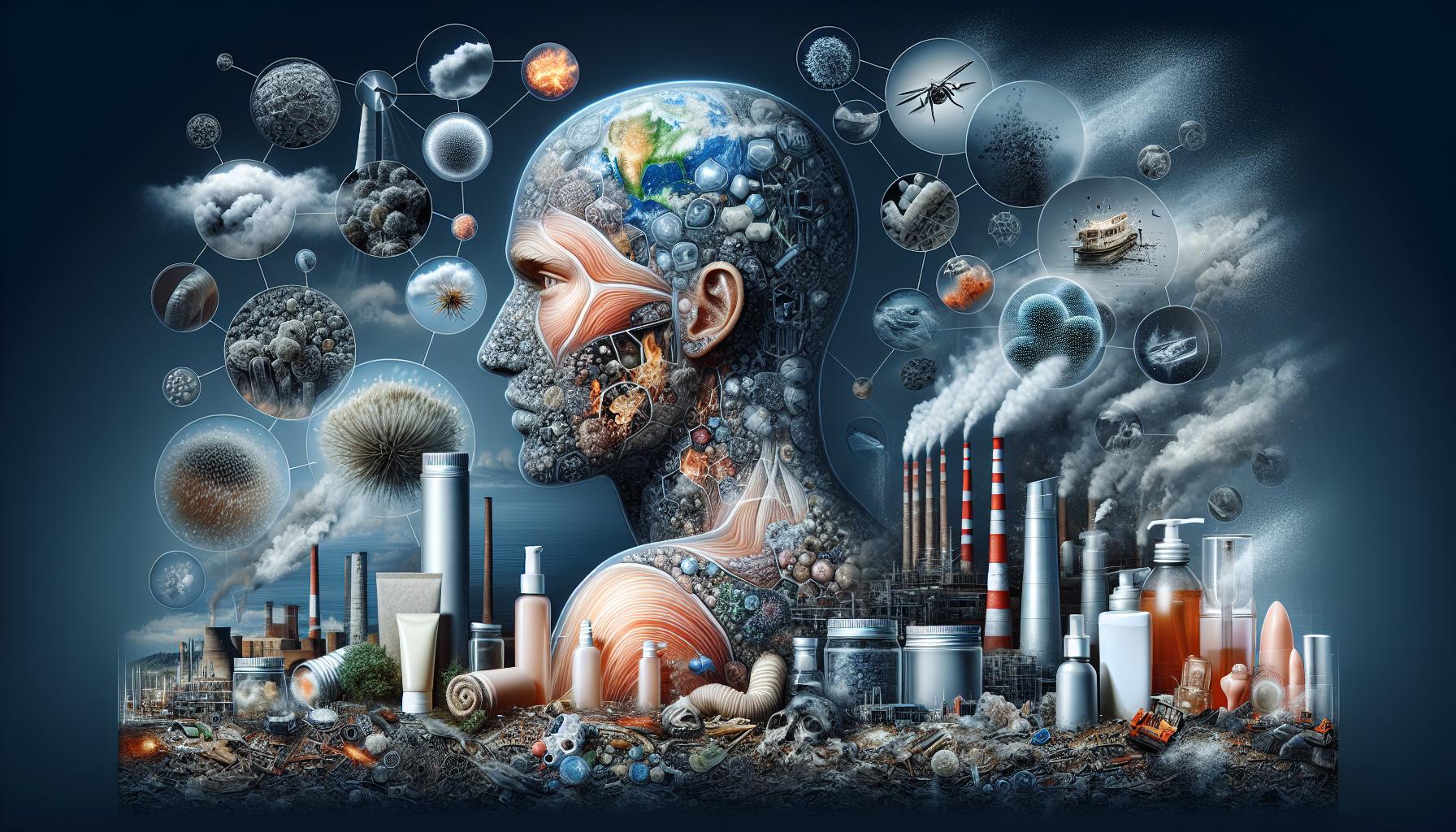
Understanding Pollution’s Toll on Your Skin
As urbanization continues to rise, pollution has become an insidious threat to our skin health. This environmental challenge brings forth a myriad of toxins and free radicals that can wreak havoc on our complexion. It is essential to recognize the significant impacts of pollutants and explore ways to safeguard our skin.
The toll of pollution on our skin is profound and multifaceted. For instance, premature aging is a prominent concern; continuous exposure to harmful particles accelerates the formation of wrinkles and fine lines. Research has shown that toxins found in polluted air can degrade collagen and elastin, two vital proteins that maintain skin’s youthful elasticity. Furthermore, studies indicate that urban dwellers can show signs of aging earlier than individuals in less polluted environments.
Environmental pollutants also play a crucial role in causing acne and breakouts. Everyday contaminants, such as dust, smoke, and industrial chemicals can settle on the skin, clogging pores and leading to persistent breakouts. Particularly in cities like Chicago and San Francisco, where traffic emissions generate a high concentration of particulate matter, dermatologists are increasingly noting a rise in acne cases associated with living in these polluted atmospheres.
Moreover, pollutants contribute to dryness and irritation. Pollutants strip essential moisture from the skin, leading to a dull and lifeless appearance. Individuals exposed to high pollution levels often report increased sensitivity and flare-ups of conditions like eczema or rosacea. For example, residents of Los Angeles, known for its smog and air quality issues, frequently experience skin irritation that can be exacerbated by pollution exposure.
Taking Action Against Pollution’s Effects
While the impacts of pollution on skin health are concerning, there are effective strategies to combat these adverse effects.

- Daily Cleansing: Establishing a consistent skincare routine is crucial. Cleansing your face at least twice a day helps remove dirt, makeup, and toxins. Consider using a gentle cleanser that can penetrate deeply to eliminate impurities without damaging the skin’s natural barrier.
- Antioxidant-rich Products: Incorporating products packed with ingredients like Vitamin C and E can be beneficial. These antioxidants neutralize harmful free radicals and can help repair and protect the skin from oxidative stress caused by pollution.
- Protective Barriers: Utilizing broad-spectrum sunscreen daily is essential, even on cloudy days. This not only protects against UV rays but can also lessen the skin’s exposure to harmful pollutants. Additionally, moisturizers that contain occlusive agents like hyaluronic acid can create a protective film over the skin, reducing moisture loss and repelling some environmental toxins.
By understanding the impact of pollution and adopting protective measures, you can enhance your skin’s resilience and maintain a radiant complexion. Knowledge is power, and by prioritizing skin health amidst rising pollution, you can effectively navigate the challenges posed by our urban environments.
DIVE DEEPER: Click here to uncover the latest trends
Pollution and Skin Health: A Closer Look
The relationship between pollution and skin health is not merely anecdotal; it is backed by a growing body of scientific research that underscores the necessity of understanding these connections. As metropolitan areas expand and industrial activities intensify, the exposure to airborne pollutants, including particulate matter, volatile organic compounds, and heavy metals, has become alarmingly prevalent. These contaminants can penetrate the skin barrier, leading to a specific array of skin conditions and issues.
Recent studies have highlighted that individuals living in heavily polluted cities are at a greater risk of developing hyperpigmentation. The presence of harmful pollutants can trigger the overproduction of melanin, leading to stubborn dark spots and uneven skin tone. This phenomenon is particularly evident in areas with high levels of vehicle emissions or industrial discharges, such as Los Angeles and New York City, where residents frequently report more pronounced pigmentation issues over time.
Moreover, the inflammatory response induced by pollution can lead to increased levels of skin sensitivity. For instance, numerous dermatologists have observed a surge in cases of conditions such as contact dermatitis and pollution-induced skin rashes among urban populations. These reactions stem from the skin’s defense mechanism attempting to fight off these external aggressors, resulting in redness, irritation, and discomfort. Understanding how pollution acts as a catalyst for these reactions is critical for individuals seeking remedies and strategies to protect their complexions.
In addition to causing visible skin issues, pollution has also been linked to overall skin health deterioration. Exposure to environmental toxins can disrupt the skin’s natural microbiome, allowing harmful bacteria to thrive while beneficial ones diminish. This imbalance can exacerbate existing conditions and leave the skin more susceptible to infections and chronic inflammation. As researchers delve deeper into skin microbiota, the implications of how pollution affects this delicate ecosystem are becoming increasingly clear.
Recognizing the Signs of Pollution Damage
The first step in combating the negative effects of pollution on skin health is being able to recognize the signs of damage. Common indicators include:
- Dullness: A lack of radiance and luminosity often signals that your skin is suffocated by pollutants.
- Increased Breakouts: Persistent acne or sudden flare-ups may indicate blocked pores from environmental impurities.
- Dry or Flaky Skin: Pollutants can dehydrate the skin, leading to patches of dryness and irritation.
- Uneven Skin Tone: Dark spots or hyperpigmentation could signal the skin’s reaction to environmental stressors.
With an understanding of how pollution can compromise skin health, individuals can take actionable steps towards mitigation and protection. Empowering ourselves with knowledge about pollution’s toll on our complexions is a crucial part of preserving our skin’s vitality amidst urban living.
To understand the impact of pollution on skin health, it’s essential to recognize that pollutants can take various forms, from particulate matter in the air to chemicals in products we use daily. One of the most significant contributors to skin issues is fine particulate matter (PM2.5), which can penetrate deep into the skin and lead to conditions such as premature aging, acne, and even skin cancer. Moreover, ultraviolet (UV) radiation can exacerbate these conditions by weakening the skin’s natural barrier, allowing pollutants to cause even more damage.
Combatting the effects of pollution involves a strategic approach to skincare. Incorporating antioxidant-rich products is crucial as they help neutralize free radicals generated by pollutants. Ingredients like vitamin C, vitamin E, and green tea extract can significantly boost skin’s defenses against environmental stressors. Additionally, using a high-SPF sunscreen daily protects against both UV radiation and the penetration of harmful particles.
Another vital aspect of skin protection is maintaining a consistent cleansing routine. Pollutants can accumulate on the skin, leading to clogged pores and inflammation. A gentle yet effective cleanser will help remove these impurities, allowing your skin to breathe and regenerate. Exfoliation is also essential, but moderation is key; too much can irritate the skin, especially if it is already compromised.
Furthermore, don’t overlook the importance of hydration. Pollution can lead to skin dehydration, making it more susceptible to damage. Using hydrating serums or creams that contain hyaluronic acid can help maintain moisture levels and improve skin resilience.
Lastly, consider lifestyle adjustments, such as incorporating a diet rich in omega-3 fatty acids and antioxidants found in fruits and vegetables. Staying hydrated and ensuring adequate exercise can also promote overall skin health. By understanding these connections, you can create an effective strategy to protect your complexion against the detrimental effects of environmental pollution.
| Protection Strategy | Key Benefits |
|---|---|
| Antioxidants in skincare | Neutralizes free radicals from pollution |
| Consistent cleansing routines | Removes impurities, unclogs pores |
| UV protection | Prevents skin damage and premature aging |
| Hydration | Maintains moisture, enhances skin resilience |
DISCOVER MORE: Click here to dive in
Strategies to Protect Your Skin from Pollution
As the effects of pollution on skin health become increasingly evident, finding effective strategies to safeguard our complexions is essential. While we may not be able to control the air quality in our cities entirely, we can take proactive measures to mitigate pollution’s impact on our skin. Here are some effective practices to incorporate into your daily routine.
1. Daily Cleansing: A Non-Negotiable Step
The first line of defense against pollution-induced skin damage is a robust cleansing routine. Washing your face regularly with a gentle, pH-balanced cleanser helps remove impurities, excess oil, and dirt accumulated throughout the day. Consider incorporating a double cleansing method in the evening. Start with an oil-based cleanser to dissolve makeup and any oil-soluble pollutants, followed by a water-based cleanser to eliminate any residual debris. This two-step approach ensures a thorough cleanse, providing your skin a fresh canvas free from pollutants.
2. Antioxidant-Rich Skincare
Incorporating antioxidant-rich products into your skincare regimen can significantly counteract oxidative stress triggered by pollution. Ingredients such as vitamin C, vitamin E, and niacinamide are renowned for their protective properties. These antioxidants work by neutralizing free radicals generated from environmental toxins, thus defending your skin against premature aging and damage. Using serums or moisturizers enriched with these ingredients both nourishes your skin and bolsters its resilience against external aggressors.
3. Sun Protection: Your Best Defense
Pollution and UV exposure often go hand in hand, compounding their damaging effects on the skin. Daily sunscreen application is vital, even on overcast days. Products with a broad-spectrum SPF of at least 30 can shield your skin from the harmful rays of the sun while creating a barrier against pollutants. Look for formulations containing physical blockers like zinc oxide or titanium dioxide, which not only protect against UV radiation but also act as a shield against particulate matter.
4. Hydration and Skin Barrier Repair
Maintaining skin hydration is pivotal for reinforcing the skin barrier, the first line of defense against environmental threats. Incorporate a rich moisturizer containing ceramides and hyaluronic acid to help lock in moisture and boost the skin’s protective function. Daily hydration not only alleviates dryness caused by pollution but also enhances skin elasticity and resilience.
5. Lifestyle Adjustments
On a broader scale, making lifestyle changes can significantly enhance skin health in polluted environments. Aim to incorporate a diet rich in omega-3 fatty acids, antioxidants, and vitamins found in fruits and vegetables. Foods like berries, fatty fish, and leafy greens can help combat inflammatory responses triggered by pollutants. Additionally, staying well-hydrated by drinking adequate amounts of water flushes out toxins, further benefiting your skin.
6. Environmental Adaptations
Your immediate environment plays a crucial role in skin health. Whenever feasible, choose to minimize exposure to heavily polluted areas. Consider investing in an air purifier for your home to reduce indoor pollutants, which can also infiltrate the skin. Furthermore, wearing protective clothing, such as hats or scarves, when outdoors can physically shield your skin from direct exposure to pollution.
Understanding the interplay between pollution and skin health empowers you to adopt measures that enhance your complexion’s resilience. With these strategies in place, you can navigate urban living while prioritizing your skin’s well-being.
DIVE DEEPER: Click here to discover the secrets of hydration for glowing skin
Conclusion
The relationship between pollution and skin health highlights the growing challenges faced by individuals in urban environments. As we navigate cities filled with environmental toxins, it becomes crucial to understand how these factors can compromise our skin’s integrity and accelerate signs of aging. While pollution’s effects can seem daunting, empowering ourselves with knowledge and proactive strategies can significantly enhance our skin’s resilience.
Implementing a diligent skincare routine—rich in antioxidants and adversative to pollution—combined with daily practices like cleansing and sun protection, can create a robust defense against external stressors. Moreover, embracing lifestyle adjustments, such as consuming a diet laden with nutrient-dense foods and managing your environment, contributes significantly to maintaining a healthy complexion. The use of protective clothing and technology, such as air purifiers, provides additional safeguards against the relentless assault of daily pollutants.
As we become more aware of how pollution impacts our skin health, we must also broaden our focus on collective changes at community and policy levels to foster cleaner environments. Enhancing skin health isn’t merely a personal endeavor; it’s also about advocating for cleaner air and safer cities. For those interested in exploring more about the connection between environmental factors and dermatological health, further research will reveal promising insights and innovative solutions. Together, we can take steps to protect not only our skin but also the environment we depend upon.