Inclusive Makeup: Techniques for All Skin Tones
The Evolving Landscape of Beauty
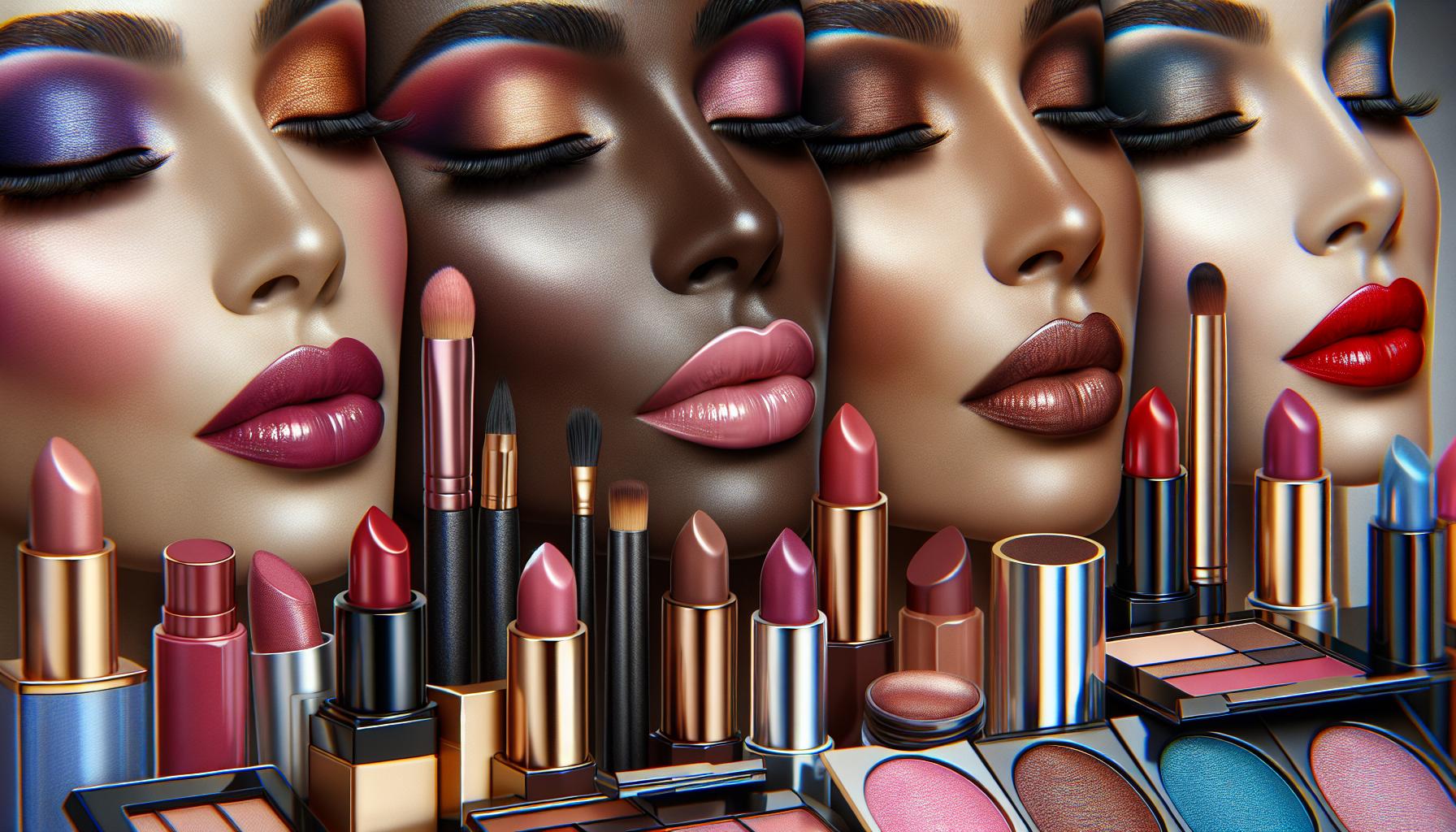
The world of beauty is undergoing a significant transformation, propelled by a strong demand for inclusivity in makeup. As society becomes more aware of the diverse spectrum of human identity, makeup brands are stepping up to meet these needs by developing products that embrace and celebrate all skin tones. This shift doesn’t merely reflect changing consumer preferences; it encapsulates a broader cultural movement toward acceptance and representation.
Understanding Your Unique Skin Characteristics
When it comes to selecting the right makeup products, understanding your skin’s unique qualities is essential. Start by identifying your skin undertones, which can significantly influence how products will look on your face. Generally, skin tones are classified as:
- Warm Undertones: Characterized by golden, peachy, or yellow hues. If gold jewelry complements your skin, you likely have warm undertones.
- Cool Undertones: These have hints of blue, pink, or purple. If silver jewelry looks best on you, this may indicate a cool undertone.
- Neutral Undertones: A mix of both warm and cool, neutral undertones can wear shades from both categories effortlessly.
Understanding these subtleties will help you in selecting products that enhance your natural beauty rather than mask it. Brands like Fenty Beauty and MAC have demonstrated how important it is to offer a wide variety of foundation shades. For example, Fenty debuted with 40 shades and has since expanded to cater to even more diverse skin tones, setting a high standard for competitors.
The Emotional Impact of Inclusive Makeup
The significance of representation in makeup goes beyond aesthetics; it is about empowerment. When makeup brands embrace inclusivity, they not only boost confidence among consumers but also foster a sense of community where everyone feels celebrated. Recent studies reveal that individuals who see their likeness represented in beauty advertising are 42% more likely to buy those products, illustrating the profound connection between representation and purchasing behavior.
- Boosting Confidence: When individuals can find products that match their skin tones, they feel a sense of validation, leading to improved self-esteem.
- Encouraging Diversity: Diverse representation in marketing campaigns encourages conversations about beauty standards, paving the way for more inclusive narratives.
- Innovating Products: As brands seek to cater to various demographics, they are motivated to innovate, developing formulas that work for all skin types—including sensitive or oily skin.
The Consumer’s Role in Demanding Inclusivity
As consumers, it is crucial to advocate for a culture that appreciates every shade. By actively seeking out and supporting brands that prioritize inclusivity, you contribute to a growing movement that celebrates diverse beauty. Staying informed about the available products and engaging with communities focused on inclusivity can empower you to curate a makeup routine that genuinely reflects your unique beauty.
In conclusion, the journey towards inclusivity in makeup is a collective endeavor. By understanding your own unique traits and prioritizing brands that champion diversity, you not only enhance your personal beauty experience but also participate in a broader cultural evolution. This comprehensive approach will ensure that everyone can find their ideal products tailored to their specific needs, redefining beauty for all.
DISCOVER MORE: Click here for essential tips
Techniques for Mastering Inclusive Makeup
As the landscape of beauty continues to evolve, it becomes increasingly important to understand effective techniques that cater to a wide array of skin tones. Inclusive makeup is not only about having a variety of shades available but also about mastering the application techniques that enhance each unique complexion. Here, we explore key strategies to ensure that everyone can achieve a radiant look, no matter their skin tone.
Choosing the Right Foundation
The foundation is the cornerstone of any makeup routine, and selecting the right shade can elevate your look dramatically. Here are some essential tips to help you choose a foundation that works for you:
- Test in Natural Light: Always test foundation shades in natural lighting. This helps you see how the color interacts with your skin tone, avoiding any artificial tones created by indoor lighting.
- Use a Multi-Shade Approach: For those with more complex undertones, consider blending two shades – one that matches your overall skin tone and one that complements your undertones. This technique works well for women of color who often find that a single shade falls short.
- Consider Formulation: Skin type plays a critical role in foundation selection. For oily skin, opt for matte formulas that control shine, while dry skin benefits from hydrating, dewy foundations.
Contouring and Highlighting for All Skin Tones
Contouring and highlighting techniques can define your features, but achieving the perfect look requires understanding color theory as well as your unique skin tone. Here are some pointers to guide you:
- Cool vs. Warm Shades: For a natural contour, select a shade that is one to two shades darker than your skin tone, and remember that cool-toned skins typically look better with taupe or gray-based contours, while warm undertones benefit from bronzers with a golden hue.
- Highlight Strategically: A highlighter should lift your features; therefore, choose shades that work with your undertones. Champagne or gold highlighters enhance warm skin tones, whereas icy or pearlescent shades are ideal for cooler complexions.
- Blending is Key: Regardless of the products you choose, seamless blending is crucial. Use tools like beauty sponges or brushes to ensure that the makeup looks natural and feels lightweight on your skin.
The Power of Color
Incorporating color into your look can be exhilarating and transformative. However, not every shade looks good on every skin tone, so consider the following guidelines:
- Know Your Color Palette: Earthy tones like terracotta, deep greens, and warm reds often suit brown or dark skin tones beautifully, while soft pastels and brighter hues can complement lighter skin tones.
- Experiment with Depth: Deep, rich colors add drama and elegance, particularly on deeper skin tones. For those with lighter skin, consider brighter, more vibrant shades that pop.
- Understand Color Placement: For eye makeup, apply lighter shades on the lids and deeper shades in the crease. This technique adds depth and dimension, regardless of your skin tone.
Embracing inclusive makeup techniques is about celebrating individual beauty. By understanding your specific skin characteristics and how to best enhance them, you empower yourself to truly showcase your uniqueness. With these foundational techniques at your disposal, you can navigate the world of makeup with confidence, making informed choices that honor your skin’s individuality.
| Advantages | Description |
|---|---|
| Broad Color Range | Inclusive makeup offers a wide spectrum of shades that cater to every skin tone, ensuring no one feels excluded. |
| Enhanced Confidence | Utilizing products designed for specific skin tones promotes a sense of belonging and boosts individual confidence. |
The expansion of the makeup industry towards inclusivity has sparked a revolution in how beauty is perceived and marketed. Broad Color Range allows consumers to enjoy a palette rich enough to mimic and enhance the natural diversity of skin tones. This profound commitment to representation signifies more than just product variety; it fosters a deeper connection between brands and consumers.Moreover, the psychological impact of makeup that suits one’s unique complexion cannot be overstated. Enhanced Confidence is a crucial element that comes into play when individuals find products that resonate with them. The right shades and formulas encourage more than just beauty; they promote an empowering ritual that celebrates self-expression. With countless brands embracing this vision, the future looks promising for makeup lovers across the spectrum. These advancements beckon further exploration into the techniques tailored for each skin tone, uncovering the myriad ways beauty can be both personal and inclusive.
DISCOVER MORE: Click here to learn how to nourish your skin
Application Techniques for Inclusive Makeup
Once you’ve mastered the fundamentals of selecting the right products for your skin tone, it’s essential to focus on how you apply them. Different skin tones can require varied techniques to ensure an even and flattering finish. Here, we delve into application strategies that can enhance your makeup universally.
Application Tools: Brushes, Sponges, and Fingers
The tools you use can make a significant difference in how your makeup appears on your skin. Here are some considerations:
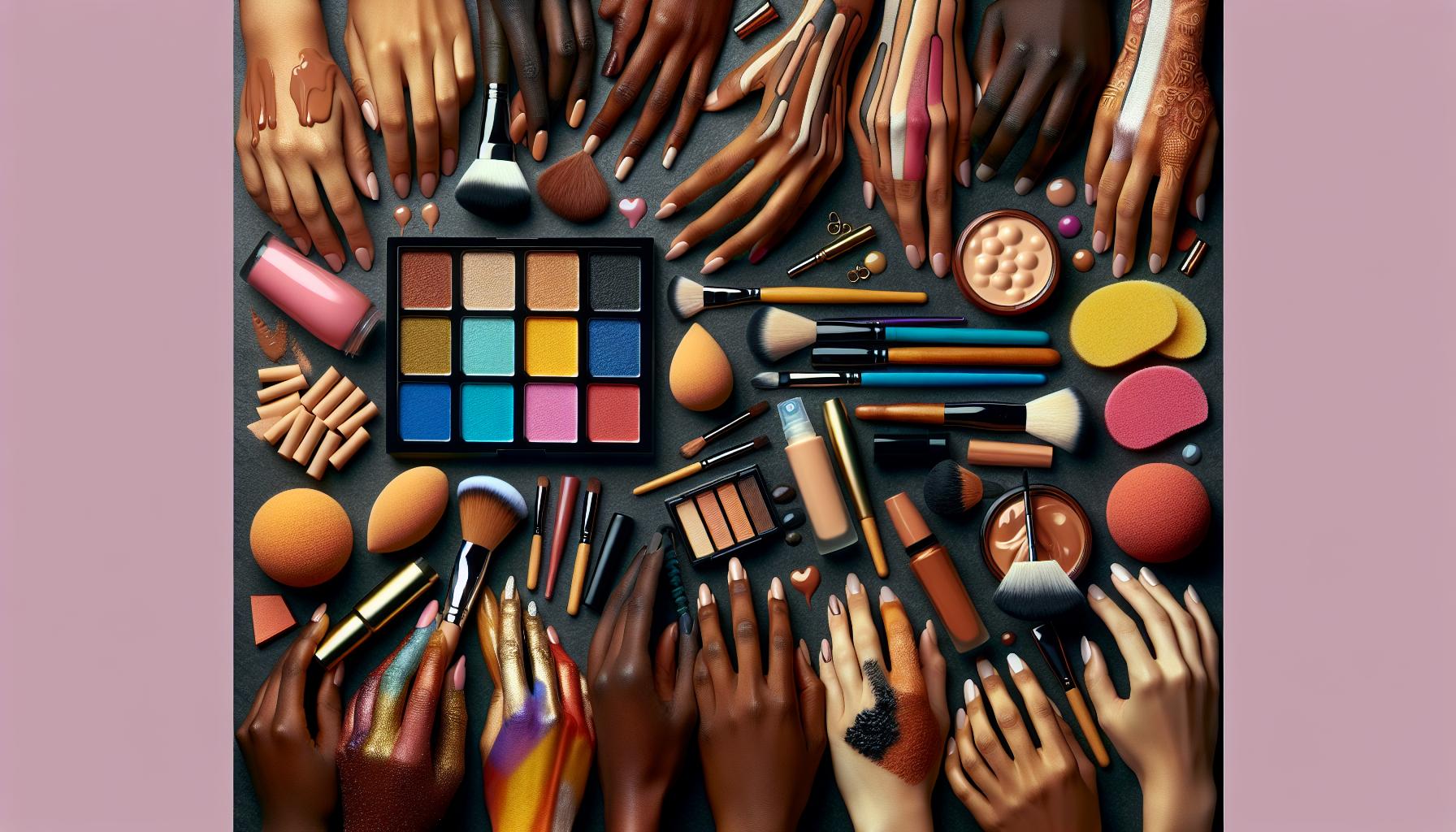
- Invest in Quality Brushes: Good quality brushes provide better results and last longer. For liquid foundations, a stippling brush or a damp beauty sponge can give a flawless finish, while a flat brush works well with cream products. For powder, fluffy brushes are ideal for even application.
- Fingers for Application: Don’t underestimate the power of your fingers! They can provide warmth, making product blending easier, especially for cream blushes or highlighters. Your body temperature aids in melting the product into your skin for a seamless look.
- Technique Variation: Different applications mimic natural skin finishes. Dabbing motions with a sponge create coverage without a cakey appearance, while sweeping motions with a brush may help achieve a more natural look. Be mindful of your skin’s texture and adjust accordingly.
Setting Your Makeup
Setting products may vary based on individual skin types and tones. These strategies help lock down your look while keeping your skin looking fresh:
- Translucent Powders: Lightly dusting your face with a translucent powder can help absorb excess oil without altering your foundation hue, making it suitable for all skin tones. Look for formulas that are finely milled to avoid a heavy appearance.
- Setting Sprays for Longevity: A setting spray can enhance the look of your makeup while providing hydration. Choose a spray that complements your skin type; mattifying formulas work well for oily skin, while dewy sprays provide a fresh glow for dry skin.
- Localized Setting: In areas that are prone to shine, such as the T-zone, applying setting powder can be a game-changer. For drier areas, skip powder to maintain a natural glow.
Emphasizing and Defining Your Features
Highlighting your natural features plays a crucial role in showcasing your individuality. Here are effective ways to do so for every skin tone:
- Eyebrows Matter: Well-groomed eyebrows frame your face and can enhance or soften your features. Choose an eyebrow product that matches your hair color, adjusting for skin tone to avoid that overly stark contrast.
- Luscious Lips: Picking the right lipstick shade can be daunting, but certain colors universally compliment various tones. Bold reds are flattering across the spectrum, while soft roses and nudes can work wonders on lighter complexions, leaving deeper hues for those with darker skin tones.
- Color Coordination: When choosing eyeshadow and eyeliner, consider colors that contrast with your skin tone to create visual interest. Jewel tones are stunning on medium to darker skin tones, whereas lighter skin tones often shine with softer, pastel shades or bright, vivid colors.
Inclusive makeup techniques are about celebrating individuality while finding what best enhances your natural beauty. By employing the right application methods and tools tailored to your skin tone, you can achieve a flawless and radiant look that feels uniquely yours. With practice and experimentation, you empower yourself with the knowledge to express your personal style confidently, no matter your complexion.
DON’T MISS: Click here to discover essential skincare tips
Conclusion
In today’s beauty landscape, inclusive makeup has emerged as a powerful movement, recognizing the diverse range of skin tones and individual beauty. By mastering product selection and application techniques, everyone can enhance their unique features, regardless of their complexion. The key lies in understanding your skin type and tone, allowing you to choose formulations and hues that resonate with your personal style.
As we’ve explored, the right application tools—be it brushes, sponges, or your own fingertips—play an essential role in achieving a flawless finish. You also learn how to effectively set your makeup to ensure durability and a fresh appearance throughout the day. Beyond techniques, embracing diversity in shades and colors helps define and celebrate your identity.
Makeup is not merely a means of enhancement. It is a form of self-expression, allowing individuals to convey creativity and confidence. As you experiment with different techniques and products, remember that the journey is just as important as the end result. Stay tuned to the evolving beauty industry that strives for inclusivity and be bold in discovering the right techniques that reflect your essence. Embrace your beauty, celebrate your skin tone, and pave the way for a more inclusive makeup world.